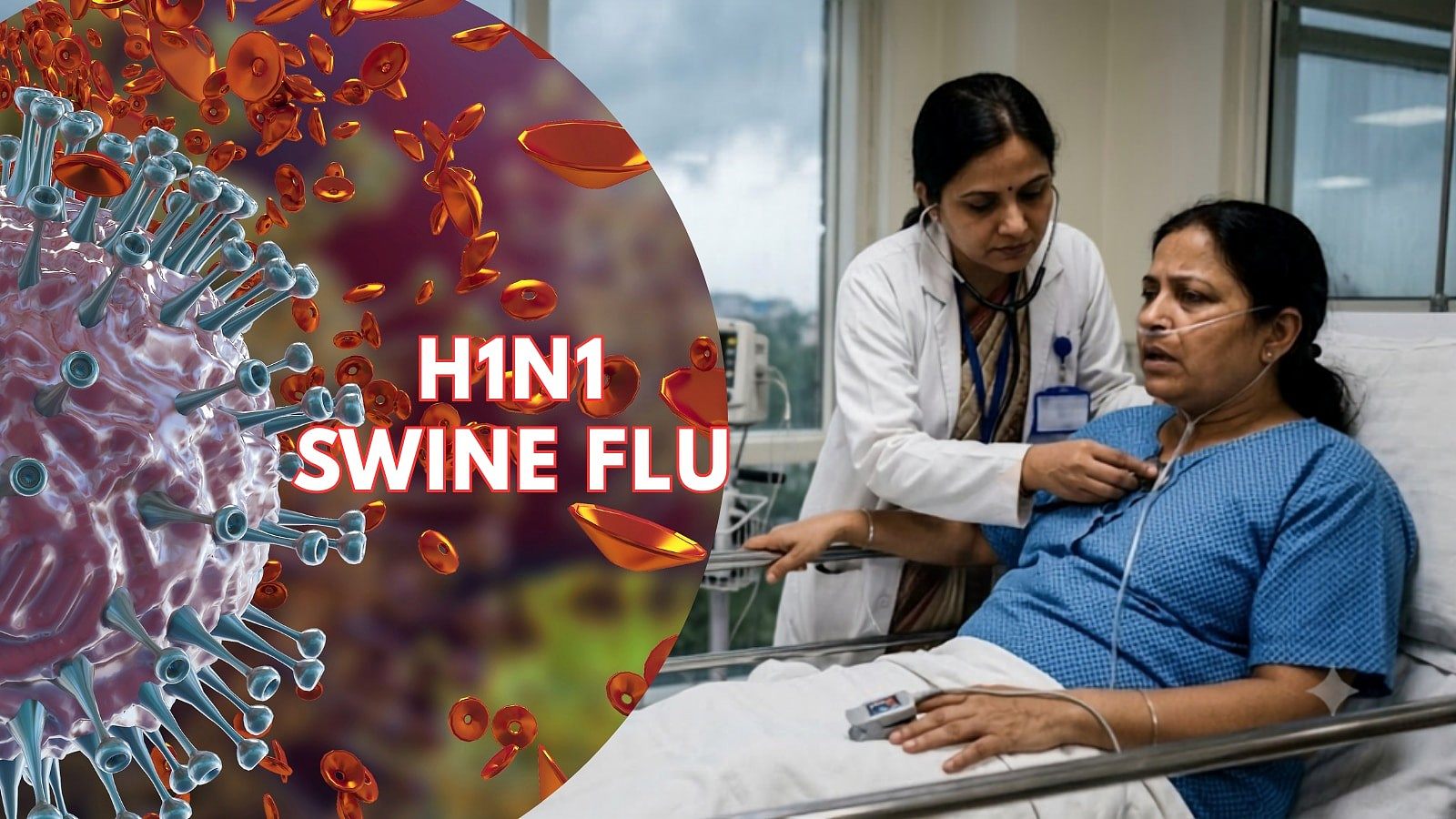
H1N1 Cases Surge In Delhi-NCR: From Fever, Cough To Breathlessness, 5 Warning Signs Swine Flu May Be Turning Severe
The rise in H1N1 cases across Delhi-NCR is prompting fresh concern among doctors as some patients develop severe breathing difficulties and falling oxygen levels. While swine flu often causes flu-like symptoms, it can so
مصنف Tanya Dutt··5K بار پڑھا
H1N1 Cases Surge In Delhi-NCR: From Fever, Cough To Breathlessness, 5 Warning Signs Swine Flu May Be Turning Severe
The rise in H1N1 cases across Delhi-NCR is prompting fresh concern among doctors as some patients develop severe breathing difficulties and falling oxygen levels. While swine flu often causes flu-like symptoms, it can sometimes progress to serious respiratory complications, particularly in high-risk individuals.
Delhi has recorded 1,449 H1N1 cases till August 12, 2026 — more than six times the 229 cases reported in the same period last year, according to NCDC data. Hospitals including RML and Safdarjung have stepped up preparedness as monsoon humidity fuels the surge in respiratory infections across the region.
For many people, H1N1 may begin like another seasonal viral infection, with fever, cough, body aches and fatigue. The concern comes when symptoms intensify or new respiratory problems appear. So, what should you watch for as cases rise across Delhi-NCR?
1. Is your breathlessness getting worse even at rest?
Mild tiredness with fever is common. But new or rapidly increasing difficulty in breathing, especially while sitting or lying down, signals the lungs may be under stress. Doctors say continuous cough paired with worsening breathlessness needs prompt medical review.
H1N1 primarily affects the respiratory system and, in severe cases, can lead to complications such as viral pneumonia. People with existing lung conditions may also experience worsening respiratory symptoms during influenza infection.
2. Has your oxygen level started dropping?
A falling reading on a pulse oximeter can indicate the lungs are no longer transferring enough oxygen into the blood. Levels below 90% along with respiratory distress often require oxygen therapy. Check readings carefully, as cold fingers or poor positioning can give false numbers, but never ignore a persistently low value.
People with chronic lung or heart conditions may have less physiological reserve, meaning a severe respiratory infection can affect them more significantly.
3. Are you experiencing chest pain or pressure?
Chest discomfort or tightness that appears or intensifies with the flu can point to more serious lung involvement. Combined with breathlessness, it is a clear signal to seek urgent care rather than waiting at home.
These symptoms can indicate that an infection is affecting the body more seriously and should not be dismissed as part of a routine flu.
Blue or bluish lips or face are another emergency warning sign, according to health guidance cited by NDTV.
4. Is breathing becoming fast, laboured or making speech difficult?
Very rapid or laboured breathing, or struggling to speak or walk because of shortness of breath, are classic markers of severe influenza. Bluish or pale lips, extreme drowsiness or sudden confusion further indicate the body is not getting enough oxygen.
5. Have symptoms suddenly deteriorated after initial improvement?
Influenza can progress quickly sometimes within 24 hours from uncomplicated illness to pneumonia or respiratory failure. High-risk groups (elderly, young children, pregnant women, people with asthma, diabetes, heart or lung disease, or weakened immunity) need especially close monitoring.
While fever alone does not necessarily mean the infection is becoming severe, persistent or worsening fever deserves medical attention, particularly when other symptoms are developing.
A person who initially appears to be recovering but then develops worsening fever or respiratory symptoms should not simply wait it out.
What Should You Do If These Warning Signs Appear?
Do not self-diagnose based on symptoms alone. H1N1 can overlap with other respiratory infections, and testing or treatment decisions should be made by a healthcare professional. Antibiotics do not treat influenza because it is caused by a virus.
Antiviral medicines may be considered by doctors, particularly for high-risk patients or those with moderate to severe illness.
Doctors stress that not every H1N1 patient develops breathing complications. Most recover with rest, fluids and timely antiviral treatment if indicated. Antibiotics do not treat the virus itself and should be used only if a secondary bacterial infection is confirmed. Avoid self-administering oxygen without medical advice.
Precautions You Must Take
Doctors are particularly cautious with young children, older adults, pregnant women and people with diabetes, heart disease, asthma or chronic lung conditions because they face a higher risk of complications. Simple precautions include:
Hand hygiene,
Masks in crowded indoor spaces
Covering coughs
Staying home when unwell
High-risk individuals should discuss influenza vaccination and early medical consultation with their doctor. With H1N1 activity rising in Delhi, respiratory hygiene, staying home when unwell, covering coughs and sneezes, regular handwashing and appropriate influenza vaccination can help reduce the risk of infection and transmission.