Delhi H1N1 Cases Cross 2,400 After 138 New Infections In 24 Hours: Infectious Diseases Specialist Shares 7 Facts
Delhi recorded 138 fresh H1N1 cases in the last 24 hours, taking the year’s tally to 2,446. Total Influenza-A cases in the city now stand at 3,177, according to the Delhi government. PTI reported, hospitals have now been
مصنف Tanya Dutt··22K بار پڑھا
Delhi H1N1 Cases Cross 2,400 After 138 New Infections In 24 Hours: Infectious Diseases Specialist Shares 7 Facts
Delhi recorded 138 fresh H1N1 cases in the last 24 hours, taking the year’s tally to 2,446. Total Influenza-A cases in the city now stand at 3,177, according to the Delhi government. PTI reported, hospitals have now been asked to strengthen preparedness, including maintaining isolation beds, testing facilities, medicines and round-the-clock medical staff.
Health Minister Pankaj Kumar Singh has directed government hospitals to strengthen preparedness, appealed for vigilance without panic, noting that most patients so far have presented with mild symptoms and recovered quickly. The Delhi Medical Association has separately cautioned against self-medicating with antibiotics or antiviral medicines.
Against this backdrop, Dr Devashish Desai, Consultant Infectious Diseases at Ruby Hall Clinic, Pune, outlines key facts citizens should keep in mind.
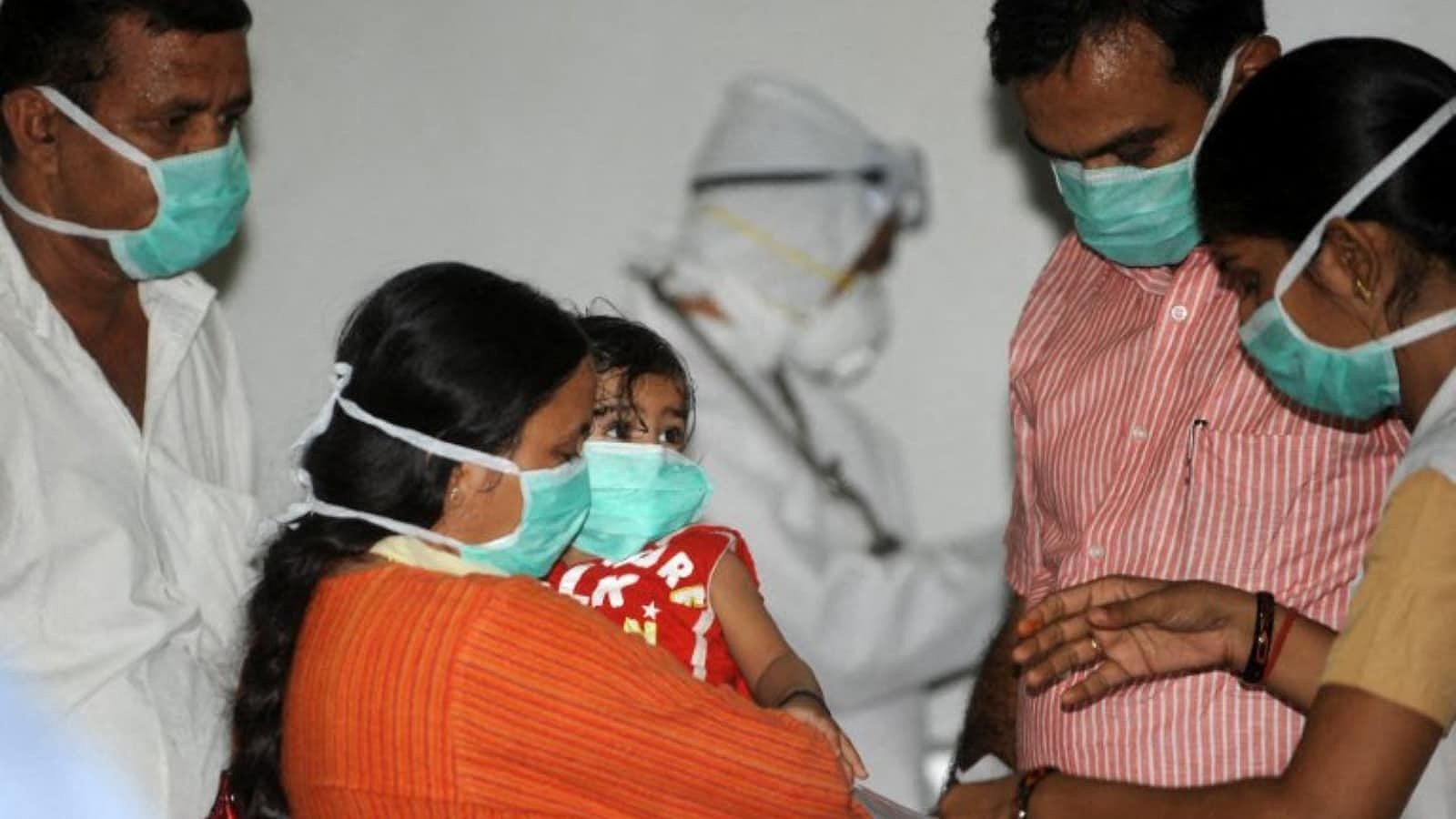
Representational photo from 2015: AFP
1. Is H1N1 A New Strain Of Virus Behind The Current Surge?
“India is seeing a rise in H1N1 infections. The Indian Council of Medical Research or ICMR says H1N1 is now the cause of breathing problems across the whole country. In Delhi scientists from ICMR say H1N1 is behind 70 percent of all breathing problems recorded in the city in the last week. Delhi has recorded than 2,300 Influenza-A cases this year. Out of those more than 1,777 are confirmed H1N1 cases,” says Dr Desai.
He further adds, “A recent single day saw 114 H1N1 cases. Delhi’s health department has issued a notice telling residents to follow breathing‑hygiene rules. This is not a new strain. H1N1 is not a strain. ICMR says there is no mutant strain causing this rise. H1N1 has been spreading steadily. The number of cases has been growing for the four to five weeks before it started to level off. H1N1 is a seasonal bump of a virus we already know not a new disease.”
2. India’s Surveillance Network Tracking Cases In Real Time
Dr Desai explained that India’s surveillance system has strengthened considerably since the COVID-19 pandemic. “India’s surveillance network is tracking it in real time. India’s surveillance network is watching H1N1 in time. Since the COVID‑19 pandemic India has boosted its skill to spot breathing outbreaks as they happen. ICMR’s tracking uses layers.
“State reports come through the Integrated Health Information Platform or IHIP and the National Centre for Disease Control or NCDC. It is also backed by direct hospital sampling in 73 sentinel labs and hospitals across the country. This system helped authorities notice the H1N1 rise fast and act.”
The current Delhi response reflects that surveillance. Hospitals have been asked to strengthen flu corners, testing arrangements and isolation capacity, with particular attention to children and elderly patients.
3. Are Most H1N1 Cases Serious?
According to Dr Desai, most cases are mild and self-limiting. He notes, “Most cases are mild and self‑limiting. Most cases of H1N1 are mild. Go away on their own. Even though the numbers are high health officials say that seasonal influenza H1N1 included, is usually self‑limiting. Common symptoms are fever, cough, headache and body pain. Most people get better with rest, fluids and basic care at home.”
Delhi’s Health Minister Pankaj Kumar Singh similarly said most patients presenting to hospitals had mild fever and common symptoms and recovered within a day or two.
Representational photo from 2015: AFP
4. Who Faces A Higher Risk of Complications?
Not everyone experiences influenza in the same way. Dr Desai said certain groups need closer monitoring. Dr Desai shares, “Some groups face a risk of complications. Some groups have a higher risk of complications. Not everyone has a course. Young children, adults and people with health problems like diabetes, heart disease or breathing illness are more likely to get worse. They should be watched closely if they show symptoms.”
This is also why Delhi hospitals have been specifically instructed to ensure timely assessment and appropriate care for children and older adults.
5. When Should You See A Doctor For H1N1 Symptoms?
While mild illness can often be managed with rest and fluids, worsening symptoms should not be ignored. Dr Desai said, “Know when to see a doctor.”
“Self-care works for people but doctors say to seek help if symptoms last more than a few days get worse or become severe. This is especially true for a fever that does not go down with medicine, trouble breathing or chest pain. Seeing a doctor early can stop complications for high-risk groups,” Dr Desai further emphasizes.
6. What Is The Government Doing About The H1N1 Surge?
Authorities are treating the increase as a situation requiring preparedness rather than panic. Dr Desai highlights, “The government has activated a response. The Health Ministry does not treat H1N1 like a normal flu season. Union Health Minister JP Nadda has personally looked at the country’s disease situation, testing and lab capacity and hospital readiness in Delhi. The Delhi government has issued a notice that tells residents to keep breathing hygiene and avoid crowded places when possible.”
In Delhi, hospitals have been asked to maintain at least five isolation beds, while larger facilities have been directed to keep 10 or more. They have also been told to ensure adequate medicines, testing supplies and emergency services.
Image: X/@Ministry of Health/CANVA
7. Is COVID-19 Also Rising Alongside H1N1?
Dr Desai said the two trends are moving in different directions, “COVID-19 Is moving in the opposite direction.”
“One good fact: while H1N1 cases go up COVID-19 cases keep going down says ICMR. This difference matters for people to understand. The current breathing illness wave is being driven by influenza, not a coronavirus comeback.”
So, while respiratory symptoms can overlap across influenza and COVID-19, the current increase in Delhi is being attributed to seasonal influenza activity rather than a new COVID-19 wave.
How Can You Protect Yourself From H1N1?
Dr Desai concluded, “H1N1 is the cause of breathing problems in India today. ICMR says the message is to be careful not scared. H1N1 is a known virus, usually mild and is being watched closely. Doing hygiene. Covering coughs and sneezes, washing hands often staying away, from crowded indoor places when feeling sick and wearing a mask if you have symptoms. These are the best way to keep yourself and others safe. If you belong to a high-risk group and your symptoms get worse do not wait to see a doctor.”
For now, Delhi’s rising numbers warrant caution rather than alarm. The latest government data show that hospitals are preparing for continued influenza activity, while health authorities continue to monitor the trend and expand testing and care capacity where needed.