7 Indian Destinations To Explore Before The Monsoon Ends
The final weeks of the monsoon can offer one of India’s most rewarding travel windows. The rains begin to retreat, the landscapes remain lush, and the crowds of the festive and winter seasons have yet to fully arrive. Fo
مصنف Swati Chaturvedi··14K بار پڑھا
7 Indian Destinations To Explore Before The Monsoon Ends
The final weeks of the monsoon can offer one of India’s most rewarding travel windows. The rains begin to retreat, the landscapes remain lush, and the crowds of the festive and winter seasons have yet to fully arrive. For travellers willing to look beyond the conventional peak-season calendar, it can be an ideal time to set out.
For Pranav Dangi, Founder and CEO, The Hosteller, this period is particularly appealing to younger travellers who are increasingly choosing holidays around experiences rather than simply destinations. “The end of the monsoon is emerging as an interesting window for domestic travel,” he says, pointing to the combination of improving weather, lingering greenery and relatively manageable crowds.
The result is a season that lends itself to everything from long road journeys and mountain adventures to slow weekends by the coast. Here are seven Indian destinations worth considering before the monsoon gives way to the next season.
1. Ladakh: For the Great Himalayan Road Trip
As the rains recede across much of the country, Ladakh becomes an obvious choice for travellers chasing dramatic landscapes and adventure. Its stark mountains, high-altitude passes and winding roads make the journey itself part of the experience.
For younger travellers, Ladakh works particularly well as a road-trip destination—one where the landscape changes dramatically from one stretch of road to the next and where flexibility can be as important as a fixed itinerary.
2. Spiti Valley: For Wild, High-Altitude Landscapes
Further east, Spiti Valley offers another version of the Himalayan road trip. Remote monasteries, stark valleys and dramatic mountain terrain create the sense of travelling somewhere far removed from everyday life.
The destination is particularly suited to travellers who see the journey as part of the holiday rather than simply a means of reaching a hotel. It is the kind of trip that rewards slow travel, spontaneous stops and time spent taking in the landscape.
3. Goa: For a Slower Take on the Coast
Goa after the monsoon has a different personality from its peak-season incarnation. The landscape is lush, the pace can feel more relaxed and the destination lends itself to days divided between cafés, beaches, local food and long evenings.
Rather than trying to fit every attraction into a short itinerary, this is a good period to experience Goa at a slower pace, particularly for travellers interested in its food, culture and evolving independent hospitality scene.
4. Hampi: Where History Meets the Backpacker Trail
Few Indian destinations combine monumental heritage with an established backpacker culture quite like Hampi.
The ruins of the Vijayanagara Empire create an extraordinary setting for exploring on foot or by bicycle, while the surrounding landscape and relaxed traveller culture make it easy to linger.
For younger travellers, Hampi offers the chance to combine history and discovery with the social side of travel, exactly the kind of experience-led journey that is increasingly replacing checklist tourism.
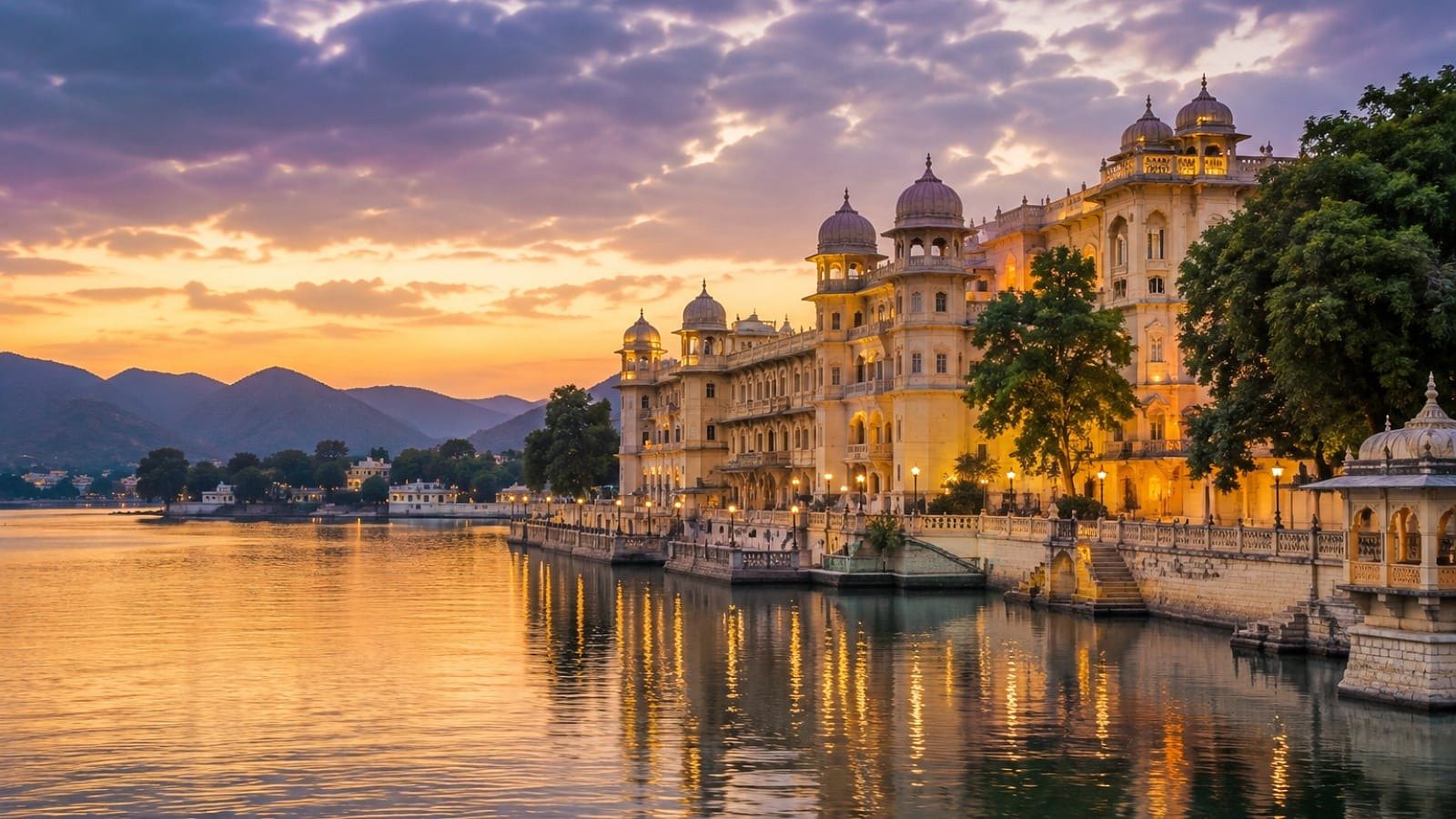
5. Udaipur: For Lakeside Slow Travel
In Udaipur, the emphasis can shift from adventure to atmosphere. The city’s lakes, palaces and old-world architecture make it particularly suited to a slower itinerary, whether that means wandering through historic neighbourhoods, spending time by the water or lingering over a long meal.
It is also a destination where the journey can be adapted to the mood of the group—something increasingly important to travellers who value flexibility over tightly scheduled holidays.
6. Rishikesh: For Adventure and Wellness
Few destinations offer such an easy combination of adventure and wellness as Rishikesh. Rafting and riverside activities can be paired with yoga, meditation, spa experiences and increasingly sophisticated wellness-led stays.
For travellers looking for more than a conventional sightseeing holiday, the destination offers an opportunity to build a trip around both physical adventure and time to slow down.
The post-monsoon period also creates an opportunity to experience the landscape at a different pace, particularly as travellers move beyond the most familiar tourist circuits.
7. Meghalaya: For Waterfalls, Forests and Immersive Nature
If the idea of a post-monsoon holiday is synonymous with dramatic greenery, Meghalaya makes a compelling choice. Waterfalls, forests, living-root bridges and mist-covered landscapes give the northeastern state a distinctly immersive quality.
For nature-focused travellers, the destination is less about ticking off individual sights and more about experiencing the environment, walking through forests, discovering local communities and allowing the landscape to shape the itinerary.
The Rise of Experience-Led Travel
What connects these destinations is not simply their geography but the changing way younger Indians are choosing to travel.
“From an industry perspective, we are seeing a broader shift in how younger travellers define a holiday,” says Dangi. “The focus is increasingly moving from simply ticking destinations off a list to experiencing a place through its culture, people, food, nature and local communities.”
That shift is particularly visible among backpackers and small groups, who tend to favour flexible itineraries and spontaneous experiences over rigid schedules.
It is also changing the role of accommodation. Increasingly, a hotel or hostel is expected to be part of the travel experience rather than simply a place to sleep.
“Travellers are increasingly looking for stays that create opportunities to meet like-minded people, exchange experiences and participate in activities rather than simply providing a place to sleep,” Dangi says. “The social aspect of travel is becoming an experience in itself.”
That makes the end of the monsoon particularly interesting. With landscapes still carrying the imprint of the rains but weather becoming more conducive to exploration, travellers can experience destinations through their communities, food, nature and local culture rather than simply moving from one attraction to the next.
Why the Road Is Part of the Holiday
For travellers who prefer to drive, the weeks after the monsoon can be equally rewarding. Aman Naagar, Managing Director, Avis India, describes the period after the rains as one of the strongest windows for road travel, when conditions become more pleasant while the landscape remains green.
“The period just after the monsoon is one of the best times for road travel in India,” says Naagar. “The weather starts getting more pleasant, the landscape is still green, and travellers can enjoy many destinations before the festive-season rush begins.”
For those starting in major urban centres, the options range from Jim Corbett, Nainital and Shimla from Delhi-NCR to Jaipur and Udaipur in Rajasthan, Lonavala from Mumbai and Pune, and Coorg from Bengaluru.
In these journeys, the drive itself becomes part of the escape. Travellers can stop when they want, explore places beyond the main destination and build a journey around their own pace rather than following a fixed itinerary.
According to Naagar, this flexibility is particularly attractive to families and smaller groups. “Leisure travellers increasingly value the freedom to choose when they leave, stop along the way and explore places beyond the main destination instead of following a fixed itinerary,” he says.
There is also growing interest in chauffeur-driven intercity travel, which offers the flexibility of a road journey without requiring travellers to navigate the drive themselves.
The Sweet Spot Before Peak Season
The end of the monsoon, then, is more than simply a transition between two seasons. It can be a distinct travel window in its own right: landscapes remain lush, weather begins to improve and travellers have an opportunity to experience destinations before the festive and winter rush gathers pace.
Whether the plan is a Himalayan road trip, a slow weekend in Goa, a heritage escape in Udaipur or a combination of rafting and wellness in Rishikesh, the weeks after the rains offer a different way to see India, one that is slower, greener and often more immersive.