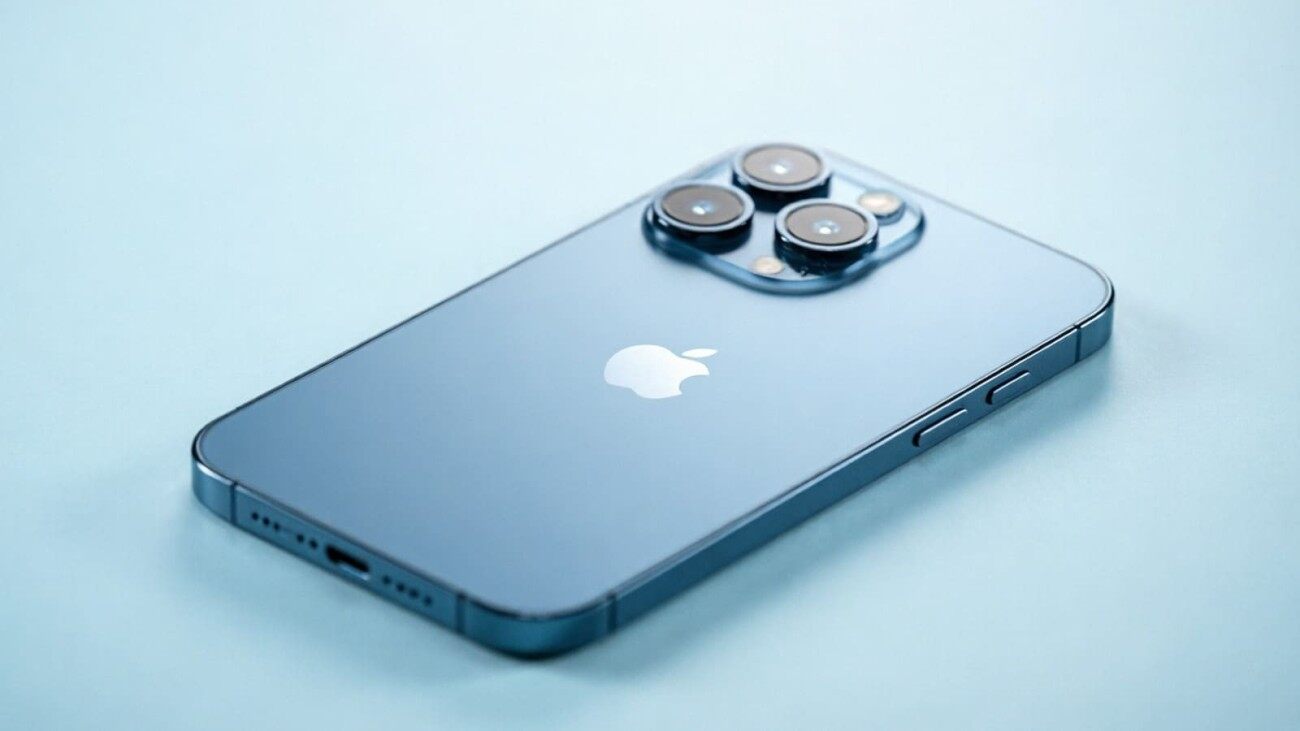
iPhone 18 Pro: The Cheapest New iPhone in S... — VeyraNews (2026)
Tech
iPhone 18 Pro: The Cheapest New iPhone in September 2026 Will Cost At least Rs 1,45,000...
Apple is changing things drastically this year with the iPhone 18 launch. Last September, the entry point to a brand new iPhone was ₹82,900. This September, it will be somewhere near ₹1,45,000. Having said that, Apple is
·18K reads
iPhone 18 Pro: The Cheapest New iPhone in September 2026 Will Cost At least Rs 1,45,000...
Apple is changing things drastically this year with the iPhone 18 launch. Last September, the entry point to a brand new iPhone was ₹82,900. This September, it will be somewhere near ₹1,45,000. Having said that, Apple is trying to make this move work by not launching an affordable iPhone 18 along with the iPhone 18 Pro series. So, if you want to buy a new iPhone in 2026, the iPhone 18 Pro will be your cheapest option and in India it can start anywhere upwards of Rs 1.45 lakh.
It coincides with a change at the top. Tim Cook steps down and John Ternus becomes chief executive on 1 September, eight days before the keynote.
What Is Actually Launching
Model
September 2026
Early 2027
iPhone 18 Pro
Yes
iPhone 18 Pro Max
Yes
iPhone Ultra, foldable
Yes
iPhone 18
No
Expected
iPhone 18e
No
Expected
iPhone Air 2
No
Expected
This would be the first break from the four-model autumn lineup Apple has run since the iPhone 12 generation in 2020.
The sourcing is unusually broad for a rumour of this size. Ming-Chi Kuo, former reporter Wayne Ma and comments from Apple supplier Largan Precision all point the same way, and references to six unreleased iPhones have turned up in the iOS 27 beta code.
Apple’s reasoning, as reported, is practical: split the launch to ease component pressure, manage the memory shortage, and put manufacturing capacity behind high-margin Pro models and the foldable.
The Price Problem, In Numbers
Model
India price
iPhone 17, launched September 2025
₹82,900
iPhone 17 Pro, launched September 2025
₹1,34,900
iPhone 18 Pro, if $100 increase
About ₹1,45,000
iPhone 18 Pro Max, current estimates
₹1,54,900 to ₹1,79,900
iPhone Ultra, at reported $2,000
Roughly ₹1,90,000 and up
US estimates put the iPhone 18 Pro somewhere between $1,200 and $1,300, against $1,099 for the iPhone 17 Pro.
Two things are worth separating here. There is the normal generational increase, which is modest. And there is the memory shortage, which is not.
Counterpoint estimates the bill of materials on the iPhone 18 Pro Max is up close to $300 year on year, with NAND flash alone exceeding $250 on the 1TB model. TechInsights puts the DRAM package at roughly $145 against about $39 last year, a 272 percent rise for equivalent memory.
Apple has already passed this on elsewhere, raising Mac, iPad and smart home prices earlier this year, with India taking the steepest increase of any market. There are also reports that Apple may raise prices on iPhones already on sale around 8 September, though analysts disagree sharply on whether that happens.
iPhone 18 Pro And Pro Max
Specification
Expected
Chip
A20 Pro on TSMC 2nm
Software
iOS 27
Display, Pro
6.3-inch OLED, 120Hz
Display, Pro Max
6.9-inch OLED, 120Hz
Rear cameras
Triple 48MP, variable aperture on the main sensor
Front camera
18MP
Modem
Apple C2
RAM
12GB
Dynamic Island
Reportedly smaller, though disputed
The variable aperture is the genuine hardware first: a physical multi-blade iris on the main camera that opens wide in low light or narrows to deepen the focal plane. Reports also point to a wider maximum aperture on the telephoto, with both upgrades exclusive to the Pro models.
Externally, expect continuity. Same broad dimensions, same camera plateau, new colours.
On the Dynamic Island, hold your expectations loosely. The shrink has been reported for months, but supply chain reporting from The Elec suggests the under-display Face ID component has hit production delays and the cutout may not change at all this year.
Colours
Dark Cherry, Light Blue, Dark Grey and Silver, with Dark Cherry positioned as the new signature shade. Cosmic Orange is reportedly being retired after a single generation.
iPhone Ultra
Specification
Expected
Cover display
5.5-inch
Inner display
7.8-inch foldable, supplied by Samsung
Thickness folded
9 to 9.5mm
Thickness unfolded
4.5 to 4.8mm
Rear cameras
Dual, no telephoto
Biometrics
Touch ID in the side button, no Face ID
RAM
12GB
Battery
About 5,500mAh
Hinge
Stainless steel and titanium alloy
Colours
Silver White and Deep Indigo
Reported price
From $2,000
The book-style form factor is broadly comparable to Samsung’s Galaxy Z Fold line, which is unsurprising given Samsung is supplying the display.
The Touch ID return is the notable change. Dropping Face ID keeps the folded profile thin, and it would be the first time in years that an iPhone shipped without it.
The camera compromise is real too. A dual rear setup with no telephoto means the most expensive iPhone ever made will have less optical reach than the Pro models sitting below it. That fits the pattern of first-generation foldables trading capability for form.
Battery claims
The Ultra’s 5,500mAh cell is widely described as the largest Apple has ever fitted. That may not survive contact with the Pro Max.
Chinese regulatory filings point to 5,567mAh in the eSIM iPhone 18 Pro Max. If both figures hold, the Pro Max carries the larger battery, and the Ultra’s headline is wrong by about 67mAh.
What This Means If You Were Planning To Upgrade
If you wanted a standard iPhone 18, you are waiting until early 2027. That is roughly six months beyond the usual cycle, and there is no interim option at that price.
If you were upgrading from an iPhone 15 or older, the choice narrows to paying Pro money or buying an outgoing model. The iPhone 17 should discount after 18 September, though reports of a lineup-wide price rise around 8 September complicate that assumption in both directions.
If you own an iPhone 17 Pro, the case for upgrading rests almost entirely on whether variable aperture matters to your work.
The broader point is simple enough. Apple has not raised the price of a phone by 75 percent. It has removed the cheap one and left the expensive ones, which produces the same outcome for anyone buying new this September.