Odd News
Did You Know JRD Tata Personally Flew India's First Commercial Flight? Here's The Story
On October 15, 1932, a 28-year-old JRD Tata climbed into the cockpit of a de Havilland Puss Moth and took off from Karachi, then still part of undivided India, carrying a small load of mail bound for Bombay via Ahmedabad
By Mallika Bhagat93K reads
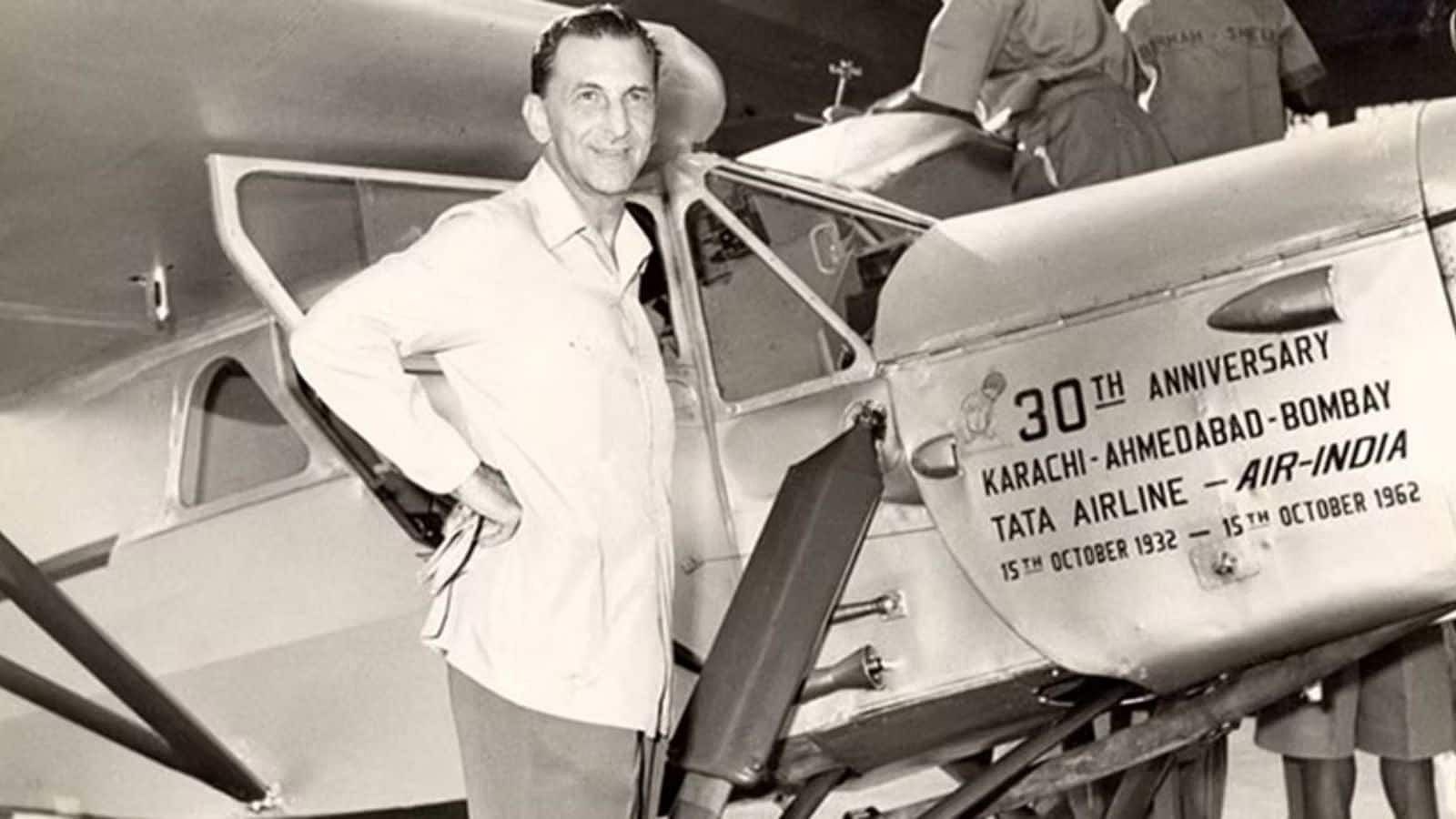
On October 15, 1932, a 28-year-old JRD Tata climbed into the cockpit of a de Havilland Puss Moth and took off from Karachi, then still part of undivided India, carrying a small load of mail bound for Bombay via Ahmedabad. It was a modest flight by today’s standards, one man, one small aircraft, a handful of letters, but it marked the start of commercial aviation in India, and JRD Tata was at the controls himself.(Credit: tata.com/central archives)
The flight was the maiden run of Tata Aviation Service, a fledgling airmail operation JRD had spent years pushing to get off the ground, quite literally. Aviation wasn’t a side interest for him. He had earned his pilot’s license in 1929, becoming one of the first Indians to do so, at a time when flying was still seen as a rich man’s eccentricity rather than the future of travel. For JRD, it was closer to an obsession, one that had started in his childhood, watching French aviator Louis Blériot’s aircraft as a boy in France. (Credit: tata.com/central archives)