Odd News
Did You Know Artificial Sweetener Was Discovered Because A Scientist Forgot To Wash His Hands?
What if forgetting to wash your hands after working in a lab led to a major food discovery? That is exactly what happened with saccharin, one of the first artificial sweeteners to become commercially successful. In 1879,
By Buzz Staff22K reads
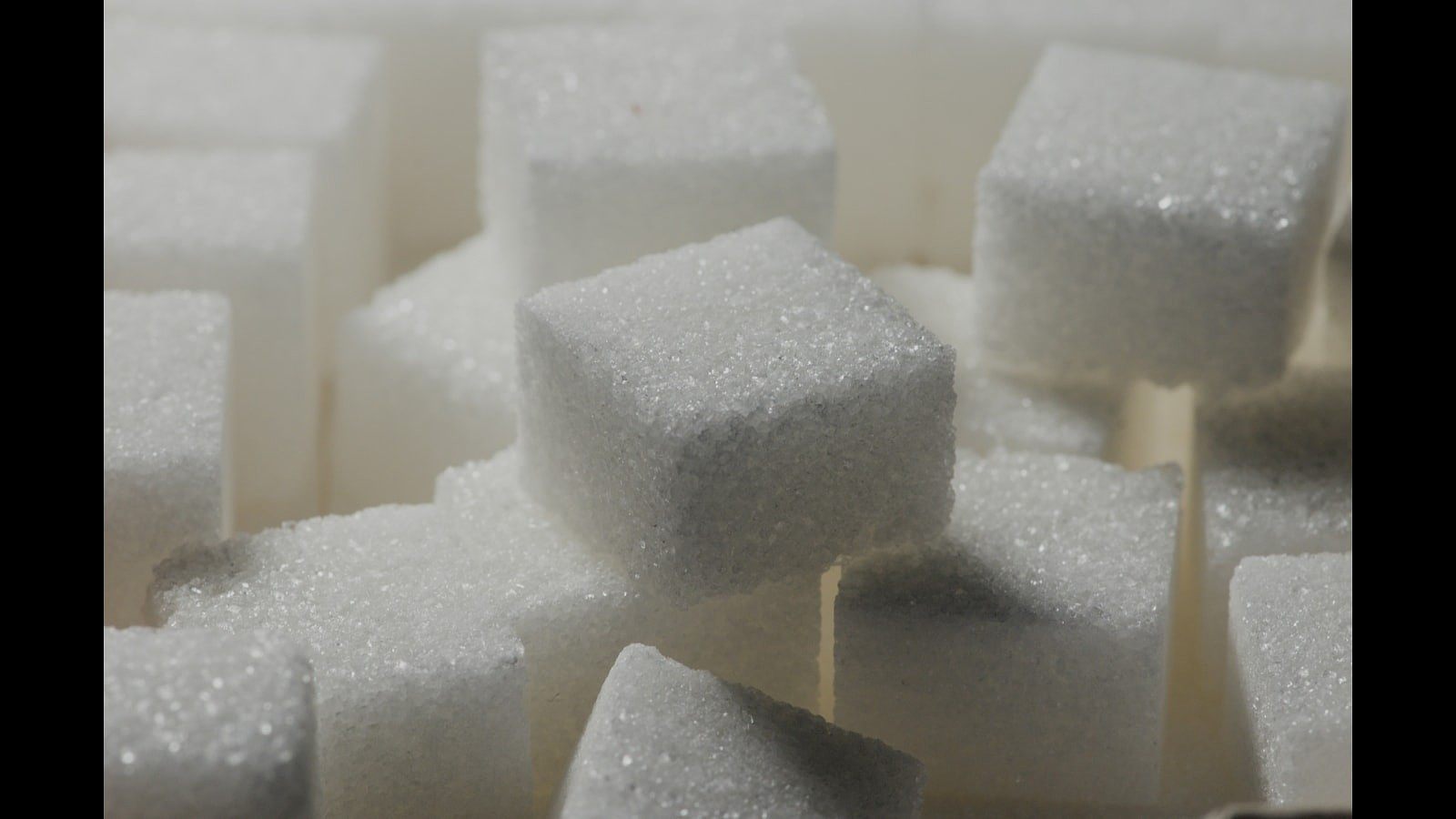
What if forgetting to wash your hands after working in a lab led to a major food discovery? That is exactly what happened with saccharin, one of the first artificial sweeteners to become commercially successful. In 1879, a scientist noticed an unusually sweet taste while eating after working with chemicals. That small moment eventually changed how people thought about sweetness without sugar. (Representational Image/Unsplash)
The scientist was Constantin Fahlberg, who was working on coal tar compounds at Johns Hopkins University. After finishing his laboratory work, Constantin Fahlberg ate a meal and noticed that something on his hands tasted extremely sweet. He traced the taste to a chemical compound called benzoic sulfimide. The compound was later given the name saccharin and became known for its intense sweetness. (Representational Image/Pexels)