UP Elections 2027: Allies Turn Up The Heat As NDA, INDIA Bloc Begin Seat-Sharing Talks
The battle for Uttar Pradesh’s 403 Assembly seats has begun well before the campaign, with alliance partners already staking claims and seeking a bigger share of the electoral pie. The BJP-led NDA is beginning seat-shari
By Parimal Peeyush··141K reads
UP Elections 2027: Allies Turn Up The Heat As NDA, INDIA Bloc Begin Seat-Sharing Talks
The battle for Uttar Pradesh’s 403 Assembly seats has begun well before the campaign, with alliance partners already staking claims and seeking a bigger share of the electoral pie. The BJP-led NDA is beginning seat-sharing negotiations amid growing ambitions of its smaller allies, while the Samajwadi Party and Congress have opened talks of their own.
For the BJP, which is aiming for a third consecutive term in Uttar Pradesh, the exercise is more complicated than in 2022. It now has four significant allies in the form of Apna Dal (Sonelal), Rashtriya Lok Dal (RLD), Nishad Party and Suheldev Bharatiya Samaj Party (SBSP) — each seeking to expand its footprint and negotiate from a position of strength.
The BJP is reportedly looking at contesting around 340-350 seats itself, leaving approximately 55-60 for allies. But the demands being made by its partners are considerably higher, setting the stage for a potentially difficult negotiation over not just the number of seats but also the regions and constituencies each party wants to contest.
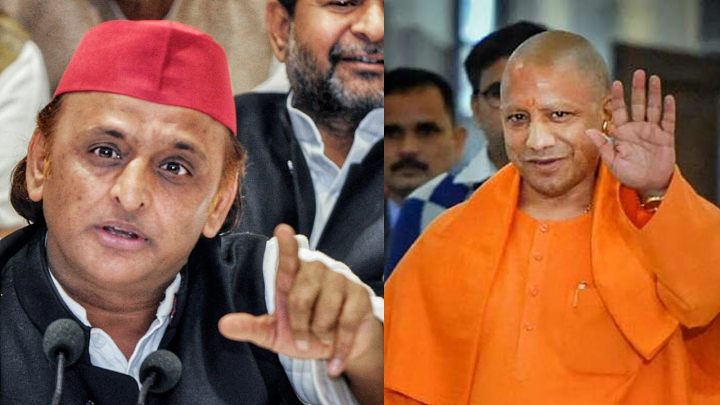
The BJP has assigned senior leaders to initiate discussions with the allies, with Chief Minister Yogi Adityanath handling talks with RLD chief Jayant Chaudhary, Deputy Chief Minister Brajesh Pathak with Apna Dal (S), state BJP president Pankaj Chaudhary with Nishad Party chief Sanjay Nishad, and Deputy Chief Minister Keshav Prasad Maurya with SBSP chief Om Prakash Rajbhar. The final formula, however, is expected to be decided by the central leadership.
BJP’s Seat Arithmetic
Apna Dal (Sonelal), led by Union Minister Anupriya Patel, is reportedly seeking 25 seats, while the RLD is looking at around 30. SBSP has reportedly submitted a list of 33 constituencies, while the Nishad Party has sought between 30 and 36 seats, according to reports.
Taken at face value, the four allies appear to be seeking far more seats than the BJP may be willing to concede. The allies, though, have their own arguments. The allies derive their bargaining power not from statewide vote share but from pockets of influence, regional caste bases and the ability to make contests competitive in constituencies where the BJP may not be equally strong.
The 2022 Assembly election makes a case for that leverage. Apna Dal (S) contested 17 seats and won 12, with a statewide vote share of around 1.62%. Its strike rate of nearly 71% is among the strongest of the smaller allies.
The Nishad Party contested 10 seats and won six, polling around 0.91% statewide. These numbers allow both parties to argue that they can convert a limited but concentrated support base into seats.
The RLD and SBSP, meanwhile, are bargaining from a different position. Both were part of the SP-led opposition alliance in 2022 but have since moved into the NDA.
RLD contested 33 seats and won eight, with a vote share of around 2.85%, while SBSP contested 19 and won six, polling about 1.36%. Their statewide vote shares, however, conceal the importance of their regional bases and community networks.
The Geography Of NDA’s Bargain
The RLD’s leverage is rooted primarily in western Uttar Pradesh, where Jat politics, farmers’ issues and local networks remain electorally decisive.
The party’s performance in 2022 (8 wins from 33 seats contested in alliance with SP) was not particularly impressive in terms of strike rate. But its 2024 Lok Sabha performance, when it won both Baghpat and Bijnor after joining the NDA, has strengthened Jayant Chaudhary’s position within the alliance.
The RLD is also seeking to expand beyond its traditional western UP base, making claims in other regions and arguing that it has built an organisation across the state. Its outreach in eastern UP and demands for seats outside its traditional territory could complicate negotiations with the BJP, which will have its own candidates and organisational interests in those constituencies.
Apna Dal (S), meanwhile, brings the Kurmi vote and a strong regional network centred around parts of eastern and central UP, particularly the Mirzapur-Vindhya belt.
Kurmis, among the influential OBC communities in the state, form the party’s core support base. Anupriya Patel’s party has demonstrated an ability to translate that influence into votes, winning 12 of the 17 seats it contested in 2022 and retaining the Mirzapur Lok Sabha seat in 2024.
Om Prakash Rajbhar’s SBSP is seeking to expand its footprint in eastern Uttar Pradesh, where its core Rajbhar support base is concentrated across pockets of Ghazipur, Mau, Azamgarh and adjoining areas.
The party’s six victories in 19 seats in 2022, when it was allied with the SP, provide the party a footing to retain its regional influence despite switching camps. Its reported list of 33 constituencies signals that it is seeking more than a traditional stronghold-based arrangement, including an opportunity to contest seats where the BJP has struggled in previous elections.
The Nishad Party, led by Sanjay Nishad, draws support from Nishad, Mallah, Kewat and other riverine communities, particularly across eastern UP and river-belt constituencies.
The party’s six wins from 10 seats contested in 2022, along with its demands for reservation-related recognition for its communities, form the basis of its push for a larger role. Sanjay Nishad has also used public mobilisation to underline the party’s community demands and political relevance within the NDA.
For both SBSP and Nishad Party, the negotiations are about establishing that their influence extends beyond the seats they have previously won.
Why The BJP May Not Yield Too Much
The BJP, however, has its own arithmetic to consider. In 2022, it won 255 seats with 41.29% of the vote, while Apna Dal (S) and Nishad Party helped take the NDA tally to 273. The BJP contested 376 constituencies on its own symbol that year, with only two major allies in the arrangement.
The alliance has since expanded, with the RLD and SBSP joining after contesting the 2022 election alongside the SP. This means the BJP must accommodate two additional partners while retaining enough seats to protect its own organisational footprint and accommodate incumbents, prospective candidates and local leaders.
The BJP’s concern is not merely the number of seats it gives away. It will also have to decide which constituencies to concede, whether allies can deliver votes beyond their traditional communities, and whether a partner’s demand for a particular seat is backed by a credible local organisation.
The allies, on the other hand, are keen to avoid being confined to seats where they are already strong or where the BJP believes they have the best chances. Seeking constituencies beyond their traditional regions could help them expand their political footprint, but it could also bring them into direct competition with the BJP’s own local leadership.
This is precisely where seat-sharing could become contentious. The BJP will be looking for winnability and alliance-wide coordination, while its partners will want to demonstrate that they are not merely vote-transfer mechanisms but political entities deserving a greater share of power.
SP-Congress: A Case of Unequal Partners
The opposition faces a similar negotiation, though the imbalance between the two parties is far more pronounced. The Samajwadi Party and Congress have formally begun seat-sharing talks, with discussions expected to focus on all 403 constituencies and the prospects of individual candidates.
Congress is looking for a substantially larger share than its Assembly performance in 2022 would suggest. It contested 399 seats that year but won only two, polling 2.33% of the vote. The SP, meanwhile, won 111 seats with a 32.06% vote share, making it the dominant partner in the alliance.
The 2024 Lok Sabha election, however, has given Congress a renewed bargaining argument. The SP won 37 seats and Congress six in Uttar Pradesh, with the latter’s vote share rising to around 9.46%. The Congress believes the improved performance, its revival in pockets and the need for a broader anti-BJP coalition justify a larger allocation of seats in 2027.
The party was initially reported to have put forward a demand for around 180 constituencies, though the list is believed to have been reduced to 60 seats of their choice.
For the SP, such a demand would be difficult to accommodate without surrendering seats where it believes its own candidates are stronger or where it has invested in building an organisation.
The challenge for Akhilesh Yadav is to keep Congress on board without allowing the seat-sharing exercise to weaken the SP’s own electoral prospects. Congress, meanwhile, has to demonstrate that its improved Lok Sabha performance can translate into Assembly victories, rather than relying entirely on the SP’s organisational strength and voter base.