From Gurdwaras To Diaspora Networks: ISI's New Playbook To Keep Punjab On The Boil? Exclusive
The reopening of a historic gurdwara in Lahore after nearly 79 years and a separate plan to expand another prominent Sikh shrine have drawn the attention of Indian intelligence agencies, with sources alleging that Pakist
By Manoj Gupta··56K reads
From Gurdwaras To Diaspora Networks: ISI's New Playbook To Keep Punjab On The Boil? Exclusive
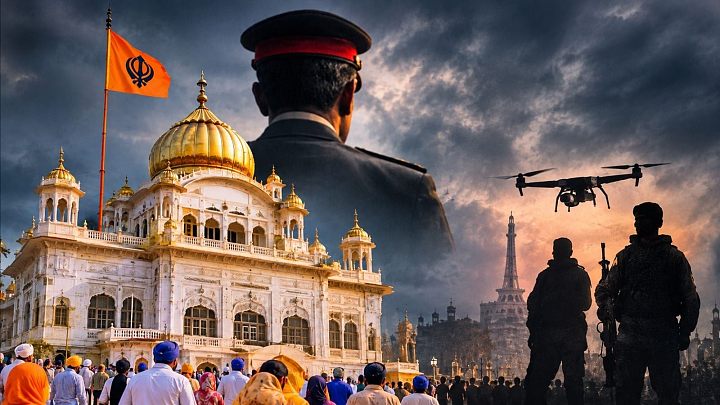
The reopening of a historic gurdwara in Lahore after nearly 79 years and a separate plan to expand another prominent Sikh shrine have drawn the attention of Indian intelligence agencies, with sources alleging that Pakistan could be using religious tourism as a channel to build influence among Sikhs in India and abroad.
The Gurdwara Chhevin Patshahi Sri Guru Hargobind Sahib on Temple Road in Lahore, which had remained closed since the 1947 Partition, reopened for religious worship on November 8 following restoration work. The ceremony was attended by officials of Pakistan’s Evacuee Trust Property Board (ETPB), members of the Pakistan Sikh Gurdwara Parbandhak Committee and Sikh religious leaders.
The reopening comes less than a month after the ETPB announced plans to expand Gurdwara Janam Asthan Guru Ram Das Ji in Lahore’s Chuna Mandi. The shrine, regarded as the birthplace of the fourth Sikh Guru, is to incorporate around 13 marlas of adjoining commercial land to provide more space and improved facilities for pilgrims and religious ceremonies.
While Pakistan has presented these initiatives as efforts to preserve Sikh heritage and facilitate pilgrims, top intelligence sources see a wider strategic dimension to the outreach. They allege that the Inter-Services Intelligence (ISI) could be seeking to use religious tourism, people-to-people contact and diaspora networks to cultivate influence among Sikh communities, particularly ahead of the next Punjab assembly elections.
ISI’S ALLEGED RELIGIOUS TOURISM PLAY
According to intelligence sources, the concern is not simply about the restoration or expansion of religious sites, but the access and opportunities for engagement that increased pilgrim movement could create.
Sources allege that pilgrimage corridors and religious gatherings could be used by Pakistan-based handlers to establish initial contacts with Indian visitors, followed by encrypted digital communication through social media platforms. They also claim that local recruits are sometimes paid between Rs 50,000 and Rs 1 lakh for handling cross-border contraband deliveries.
The sources allege that the management of major Sikh religious sites through institutions such as the ETPB, including facilities around the Kartarpur corridor, could provide opportunities for monitoring visitors, cultivating contacts and, in some cases, attempting recruitment or ideological influence.
The sources also point to what they describe as a broader outreach effort targeting Sikh communities in Canada, the United States and the United Kingdom. According to them, networks operating through legal advocacy groups, community platforms and digital channels increasingly seek to shape political narratives around India under the banners of human rights, religious freedom and diaspora welfare.
The alleged objective, they say, is to generate sustained political, legal and economic pressure on New Delhi, internationalise domestic Indian issues and mobilise lobbying efforts in host countries.
PUNJAB’S SECURITY CHALLENGE: DRONES, ARMS AND CROSS-BORDER NETWORKS
The intelligence concerns come amid continuing security challenges along the Punjab border, where agencies have repeatedly reported the use of drones to move narcotics and weapons from Pakistan into India.
In 2026, the Border Security Force (BSF) and Punjab Police’s State Special Operations Cell (SSOC) have busted multiple modules allegedly linked to Pakistan-based handlers, according to the inputs provided by intelligence sources. The recoveries in these operations have included military-grade weapons, hand grenades and improvised explosive devices, with some consignments allegedly dropped using heavy-payload drones.
Security agencies have also been tracking the use of local operatives to collect and transport consignments after they are dropped across the border. The alleged payments of Rs 50,000 to Rs 1 lakh per delivery are part of what sources describe as a system of recruiting local facilitators to reduce the exposure of handlers operating from across the border.
The use of drones has added another layer to the challenge, allowing handlers to move contraband across the international border without relying on traditional infiltration routes.
A WIDER STRATEGY TO KEEP INDIA’S SECURITY FOCUS DIVIDED?
Intelligence sources view the alleged outreach to Sikh communities as part of a wider Pakistani strategy to keep India occupied on multiple security and political fronts.
According to the assessment, sustaining pressure in Punjab through radical narratives, diaspora mobilisation and alleged intelligence access through religious tourism could prevent New Delhi from concentrating its strategic attention on one theatre, particularly Kashmir or the western border.
The sources argue that the approach is no longer limited to traditional underground militant networks. Instead, it allegedly combines cross-border smuggling, digital propaganda, community mobilisation and international advocacy to keep pressure on India.
The larger objective, they say, is to raise India’s internal security costs, complicate its ability to stabilise border regions and constrain its strategic freedom of action.
With Punjab heading towards another assembly election, intelligence agencies are particularly alert to attempts to exploit religious and political sensitivities in the state. The concern is that religious outreach, diaspora campaigns and cross-border networks could converge to create a more complicated security environment.
For now, the restoration of historic Sikh shrines in Lahore remains an officially stated heritage and pilgrimage initiative. But Indian intelligence sources say the developments warrant close scrutiny, given the wider security concerns surrounding Pakistan-based handlers, drone-enabled smuggling and attempts to influence political narratives in Punjab.