Money
'Will Kill The One Thing...': Ashneer Grover Says MDR On UPI Payments 'Regressive' Step
The debate over introducing Merchant Discount Rate (MDR) on UPI transactions has intensified, with fintech leaders and industry experts raising concerns over its potential impact on India’s digital payments ecosystem.
21K reads
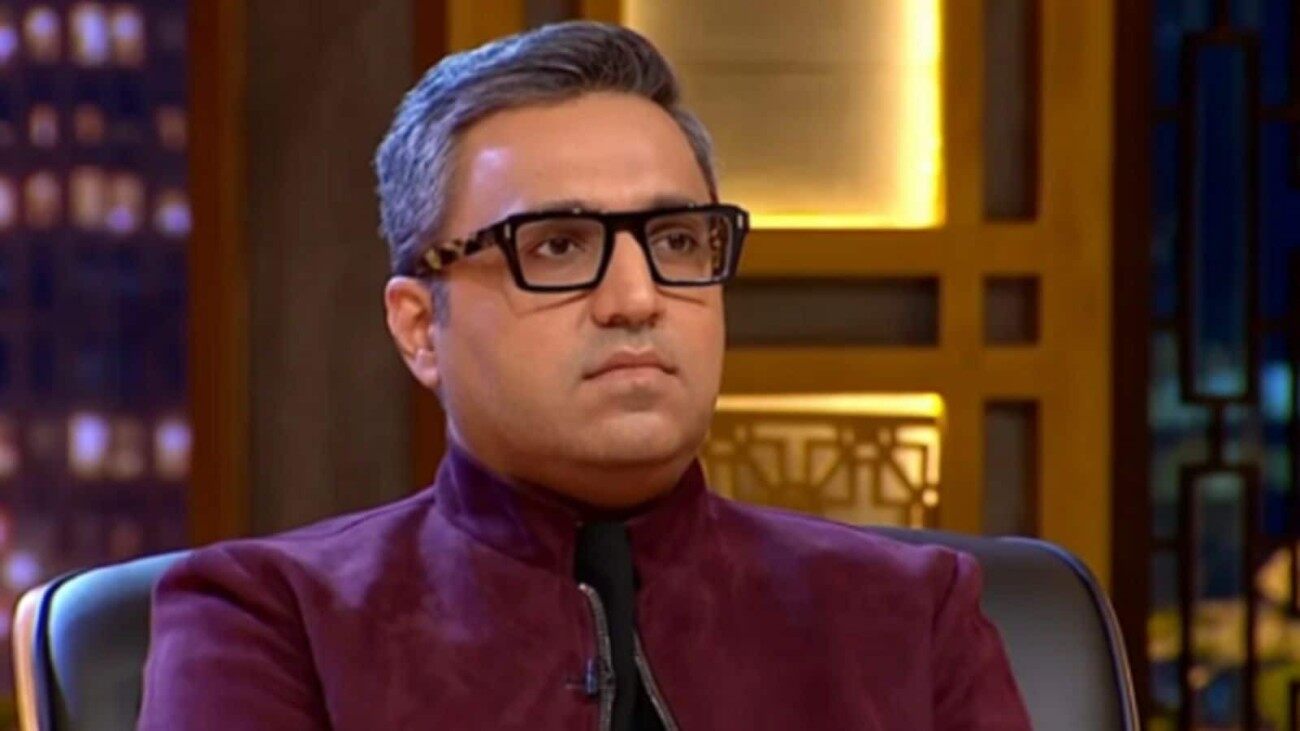
The debate over introducing Merchant Discount Rate (MDR) on UPI transactions has intensified, with fintech leaders and industry experts raising concerns over its potential impact on India’s digital payments ecosystem.
Ashneer Grover, co-founder of BharatPe, criticised the move, calling it a “regressive step” and urged the government to reconsider the proposal.
“Any MDR on UPI will kill the one thing in India which is working like clockwork — mobile payments. It’s a regressive step; the government should reconsider,” Grover said wrote in a post on X.
Any MDR on UPI – will kill the one thing in India which is working like clock work i.e. mobile payments. It’s a regressive step – government should reconsider.https://t.co/GchW22rbkf
— Ashneer Grover (@Ashneer_Grover) August 7, 2026
Capitalmind Mutual Fund CEO Deepak Shenoy also expressed concerns over a percentage-based MDR system. He suggested that if charges are introduced, they should have a fixed upper limit instead of being linked to transaction value.
“Not quite happy to see MDR in UPI. NEFT and RTGS are free and well used. It should have a maximum absolute number like ₹5 or 0.2%, whichever is lower,” Shenoy said.
He added that transaction costs do not necessarily increase with higher payment values and argued that percentage-based charges could discourage digital payments.
Not quite happy to see mdr in upi. Neft and Rtgs are free and well used. It should have a max absolute number like 5 rupees, or 0.2% whichever is lower. The cost isn’t higher for higher numbers and at this volume even rs. 5 is good. Percent based mdr is like percent based…
— Deepak Shenoy (@deepakshenoy) August 6, 2026
The discussion comes after the Lok Sabha passed a bill proposing amendments that could allow banks to levy charges related to UPI transactions, which have so far remained free for users.
However, Finance Minister Nirmala Sitharaman clarified that the proposed Merchant Discount Rate would apply only to merchants and not to customers making UPI payments.
She said the move would help banks and fintech companies invest more in payment infrastructure, innovation and security, benefiting UPI users in the long run.
Sitharaman also highlighted that the UPI and Services Steering Committee, headed by the National Payments Corporation of India (NPCI), is yet to take a final decision on the MDR framework.
The government’s proposed amendment seeks to modify Section 10A of the Payment and Settlement Systems Act, 2007. The final decision on whether MDR will be introduced and how it will be structured will be taken after consultations.
India’s UPI network has become one of the world’s largest real-time payment systems, and any change in its pricing model could have a significant impact on merchants, fintech companies and millions of digital payment users.
Share
Tags