Why Noel Tata May Not Be the Next Chairman of Tata Sons After N Chandrasekaran Resigns
N Chandrasekaran has resigned as chairman of Tata Sons, bringing an unexpected succession question to the top of India’s largest business conglomerate. Chandrasekaran has submitted his resignation but is expected to cont
By Business Desk··13K reads
Why Noel Tata May Not Be the Next Chairman of Tata Sons After N Chandrasekaran Resigns
N Chandrasekaran has resigned as chairman of Tata Sons, bringing an unexpected succession question to the top of India’s largest business conglomerate. Chandrasekaran has submitted his resignation but is expected to continue in the role until the end of his current term in February 2027.
Chandrasekaran has been Tata Sons chairman since 2017 and was reappointed for a second five-year term in 2022, with his current term scheduled to run until February 20, 2027.
At this stage, there is no officially confirmed successor. However, the structure of Tata Sons and the people around its board provide some clues about the possible direction of the succession.
Noel Tata cannot become Tata Sons chairman
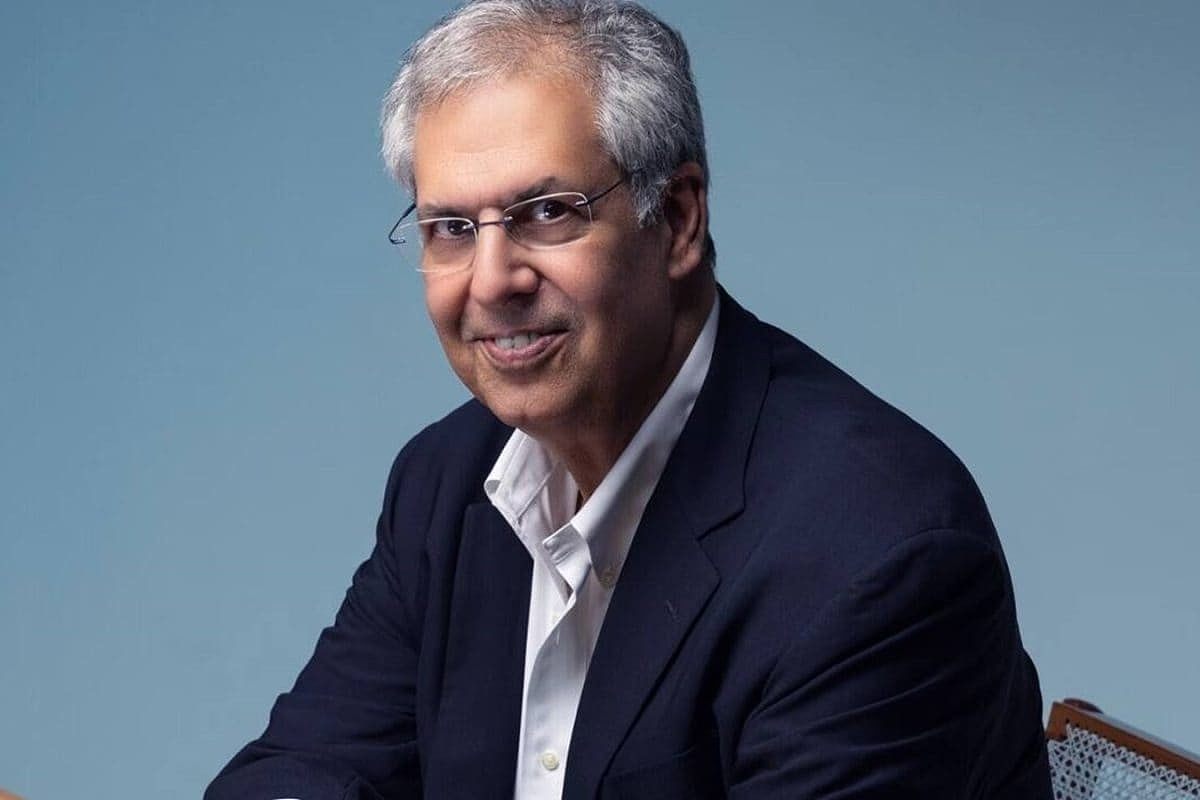
One name that is likely to come up in discussions is Noel Tata, the chairman of Tata Trusts. But, there is a clear governance hurdle. Noel Tata cannot simultaneously be chairman of Tata Trusts and chairman of Tata Sons under the amended Articles of Association of Tata Sons.
Tata Sons amended Article 118 in 2022 to provide that chairman of Sir Dorabji Tata Trust or Sir Ratan Tata Trust, or both, would not be eligible to become chairman of Tata Sons. The amendment was approved by Tata Sons shareholders in August 2022.
This provision was intended to separate the leadership of Tata Sons from the leadership of the charitable trusts that control the holding company. Therefore, Noel Tata is not expected to be presented as a possible successor to Chandrasekaran.
That distinction is particularly important now because Noel Tata is a key figure in the succession process. He became Chairman of Tata Trusts in October 2024 following Ratan Tata’s death and subsequently joined the Tata Sons board.
Ratan Tata was the last individual to hold both the positions.
Then who could succeed Chandrasekaran?
The answer is less straightforward. Tata Sons’ current board includes Noel Tata, Venu Srinivasan, Vijay Singh, Harish Manwani, Ajay Piramal, Anita Marangoly George, Ralf Speth and Saurabh Agrawal, among others. Chandrasekaran is currently listed as executive chairman.
The Articles of Association also provide for a selection committee to recommend a candidate for Tata Sons chairman. The board can appoint the recommended candidate subject to the applicable approval requirements.
That means the next chairman does not simply become chairman because he or she is the most powerful Tata family member or the biggest shareholder representative.
A senior Tata Group professional
A possibility is that Tata Sons again opts for a professional executive with extensive experience running one of its major businesses. That would broadly resemble the logic behind Chandrasekaran’s appointment in 2017. He came from TCS and was chosen after the group decided to put a professional executive at the helm following the turbulent Cyrus Mistry episode.
Potential names could emerge from the CEOs of Tata Group’s major businesses, although there is currently no reliable public evidence that any particular CEO has been selected or formally identified as the successor.
An experienced Tata Sons board member
Another route could be a senior board figure who already understands the holding company’s investment portfolio, governance structure and relationship with Tata Trusts.
Saurabh Agrawal, for example, is an executive director of Tata Sons and has served as the group’s chief financial officer. He has been part of Tata Sons’ senior management since joining the group in 2017. Tata Sons’ FY25 annual report lists him as an executive director.
Similarly, names such as Venu Srinivasan may attract attention because of their positions within Tata Trusts and on the Tata Sons board, but recent reporting indicates that Tata Trusts’ representation on the Tata Sons board itself has been a source of internal disagreement.
It is important to note that it’s just speculation. Final decision will be known later.
Why the succession is more complicated this time
The leadership change comes at a particularly sensitive moment for Tata Sons. The central issue is not simply who occupies the chairman’s office. The bigger question is what direction the Tata Group takes after Chandrasekaran.
One major dispute concerns the future of Tata Sons itself.
Tata Sons is classified as an upper-layer core investment company under RBI regulations, and the question of whether it must eventually list has become a major point of disagreement.
Tata Trusts owns about 66% of Tata Sons, while the Shapoorji Pallonji Group owns about 18.4%. The SP Group supports a listing, while Noel Tata has opposed listing. This makes the next chairman’s position especially important.
Chandrasekaran’s tenure established a strong professional-management model at Tata Sons. His departure could create greater room for Tata Trusts to influence strategic decisions, particularly because the trusts control around two-thirds of Tata Sons.
But the 2022 governance amendment means the Trusts’ chairman and Tata Sons’ chairman cannot simply become the same person. That creates a structural separation between ownership influence and day-to-day leadership.