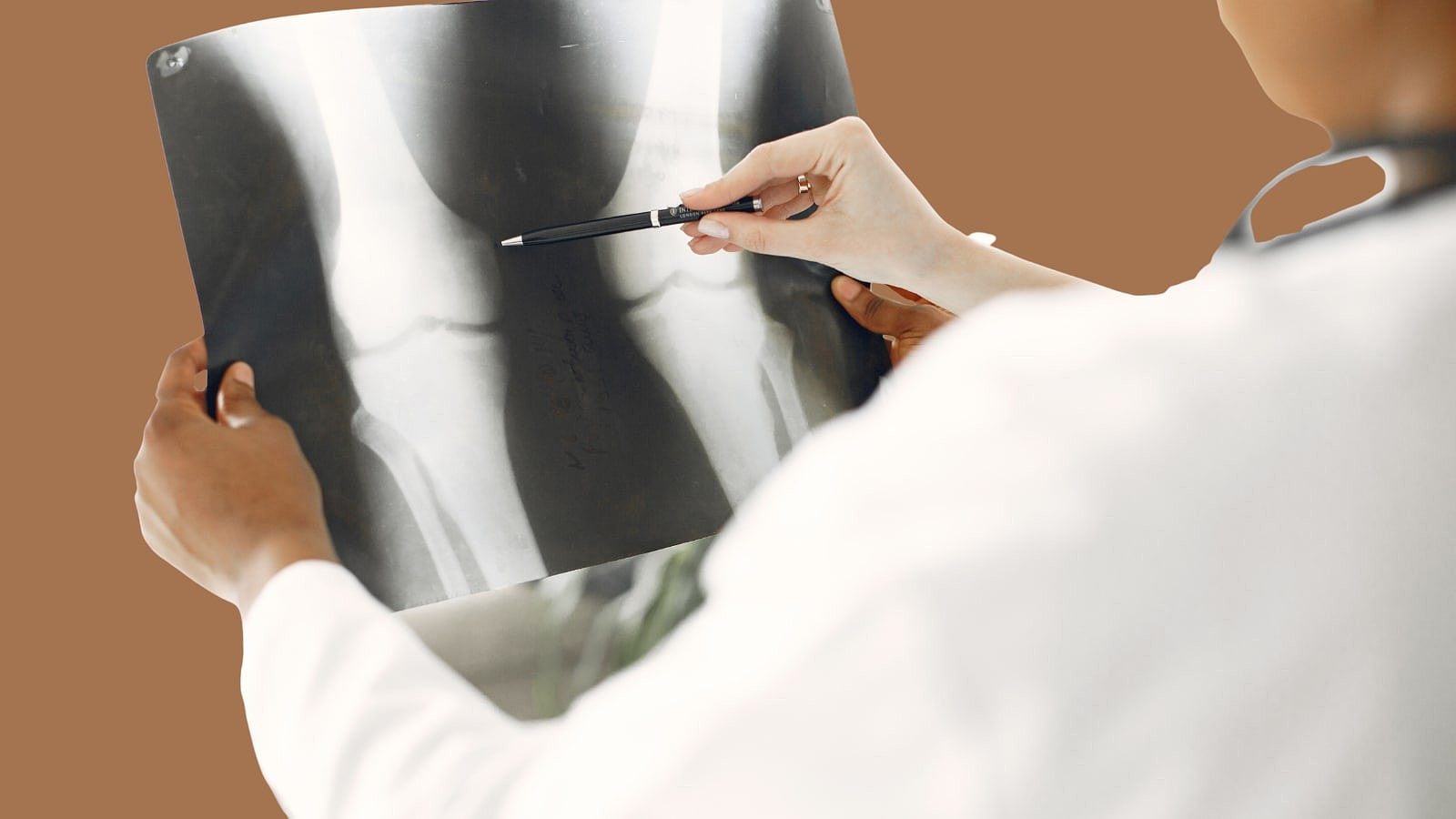
Your Daily Routine Could Be Damaging Your Bones: Doctors Reveal 5 Habits To Avoid
When people think about weak bones, they often associate the problem with old age. But according to orthopaedic experts, bone loss begins much earlier and is often driven by everyday habits that quietly chip away at bone
By Lifestyle Desk··11K reads
Your Daily Routine Could Be Damaging Your Bones: Doctors Reveal 5 Habits To Avoid
When people think about weak bones, they often associate the problem with old age. But according to orthopaedic experts, bone loss begins much earlier and is often driven by everyday habits that quietly chip away at bone strength over the years.
“Our peak bone mass is achieved by the late 20s or early 30s,” says Dr Pushkar Chawla, Director & Unit Head, Orthopaedics, ShardaCare-HealthCity. After that, maintaining healthy bones depends largely on nutrition, physical activity and lifestyle choices. Ignoring these factors can significantly increase the risk of osteoporosis and fractures later in life.
Here’s a closer look at the daily habits that may be weakening your bones without you even realising it.
Not Getting Enough Calcium And Vitamin D
Calcium is the primary mineral responsible for keeping bones strong, while vitamin D helps the body absorb calcium efficiently.
A diet low in dairy products, leafy green vegetables and fortified foods, combined with limited exposure to sunlight, can gradually reduce bone density over time.
Dr Vivek Chandak, Senior Consultant – Orthopaedics & Robotic Joint Replacement at Sarvodaya Hospital in Mathura, says inadequate intake of protein, magnesium and phosphorus can also compromise bone health, as these nutrients play an essential role in maintaining bone strength.
Sitting Too Much, Moving Too Little
Your bones need movement to stay strong.
Weight-bearing exercises such as walking, jogging, stair climbing, dancing and strength training stimulate bone formation and help preserve bone mass. In contrast, prolonged sitting and a sedentary lifestyle accelerate bone loss.
“Bone is living tissue that constantly undergoes breakdown and rebuilding,” explains Dr Chandak. When physical activity is lacking, bone breakdown gradually outpaces bone formation, making bones thinner and more fragile.
Smoking And Heavy Drinking
Smoking and excessive alcohol consumption are among the biggest lifestyle threats to bone health.
Smoking reduces blood supply to bones and damages bone-forming cells, making it harder for the body to repair and maintain healthy bone tissue.
Heavy alcohol intake, meanwhile, interferes with calcium absorption and disrupts vitamin D metabolism, both of which are essential for strong bones.
Processed Foods And Soft Drinks
Replacing nutritious meals with processed foods and sugary soft drinks may also take a toll on your bones.
These foods often provide little nutritional value while displacing calcium-rich options from the diet. High salt intake, commonly found in processed foods, can further increase calcium loss through urine, gradually weakening bones.
Crash Dieting Or Being Underweight
Extreme dieting and eating too little can deprive the body of nutrients needed to build and maintain healthy bones.
According to Dr Chawla, crash diets, eating disorders and being underweight may reduce the intake of calcium, protein and other nutrients that are critical for preserving bone density.
Certain Medicines Can Affect Bone Health
Not all bone loss is caused by lifestyle alone. Dr Chandak notes that long-term use of certain medications—including corticosteroids, some anti-seizure medicines and prolonged use of proton pump inhibitors (PPIs)—may reduce bone mineral density over time.
People taking these medications for extended periods should discuss bone health with their healthcare provider.
Hormonal Changes And Chronic Diseases Matter Too
Hormones play a key role in maintaining bone strength. Women become more vulnerable to osteoporosis after menopause because of declining oestrogen levels, while low testosterone can also contribute to bone loss in men.
Several chronic medical conditions—including thyroid disorders, kidney disease, rheumatoid arthritis, coeliac disease and poorly controlled diabetes—can further increase the risk of weakened bones.
How To Keep Your Bones Strong
Doctors say many of these risks are preventable through simple lifestyle changes. They recommend:
Eat a balanced diet rich in calcium, protein and other bone-friendly nutrients.
Ensure adequate vitamin D through safe sunlight exposure or supplements if advised.
Stay physically active with regular weight-bearing and strength-training exercises.
Avoid tobacco and limit alcohol consumption.
Maintain a healthy body weight.
Consider bone density screening if you are older or have significant risk factors, especially after menopause or if you are on long-term medications that affect bone health.