When Is Sawan Shivratri 2026? Date, Puja Muhurat, Significance And More
Sawan is considered one of the most sacred months for devotees of Lord Shiva, and Sawan Shivratri holds particular religious significance during this period. While Masik Shivratri is observed every month on the Chaturdas
By Lifestyle Desk··12K reads
When Is Sawan Shivratri 2026? Date, Puja Muhurat, Significance And More
Sawan is considered one of the most sacred months for devotees of Lord Shiva, and Sawan Shivratri holds particular religious significance during this period. While Masik Shivratri is observed every month on the Chaturdashi Tithi of Krishna Paksha, the Shivratri falling during Sawan is marked with special prayers, fasting and Jalabhishek.
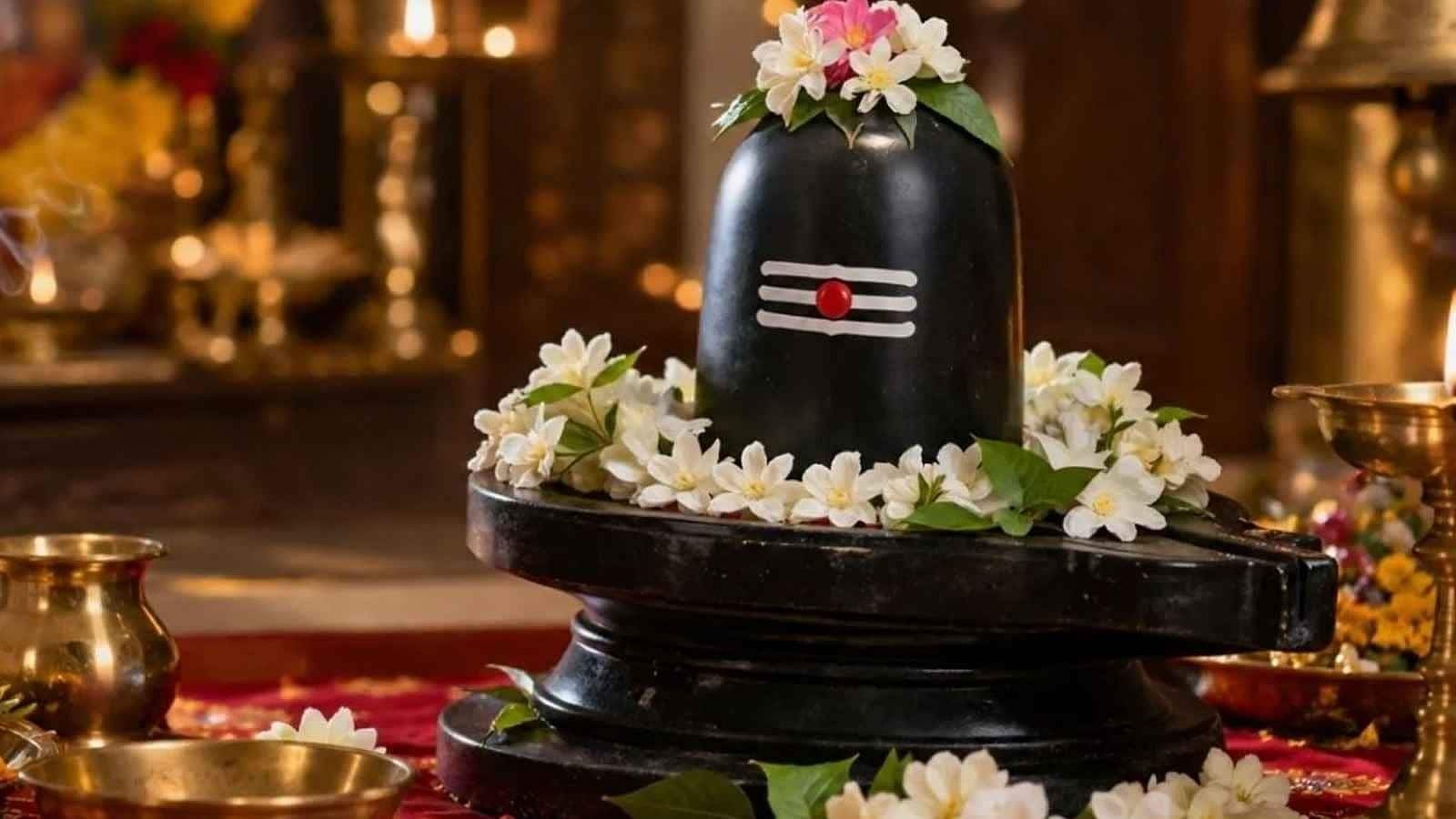
In 2026, Sawan Shivratri falls on Tuesday, August 11. Devotees worship Lord Shiva and Goddess Parvati, offer water to the Shivling and observe a fast. It is also traditionally associated with Kanwar Yatra devotees offering the sacred water they have collected to Lord Shiva.
Here is everything you need to know about Sawan Shivratri 2026, from the puja timings to fasting rules.
Sawan Shivratri 2026: Date And Chaturdashi Tithi
According to the Hindu calendar details provided, the Krishna Paksha Chaturdashi Tithi begins at 4:53 am on August 11 and ends at 1:51 am on August 12, 2026.
Sawan Shivratri will therefore be observed on August 11.
Sawan Shivratri 2026: Four Prahar Puja Timings
Traditionally, devotees can worship Lord Shiva during the four prahars of the night. The timings are:
First Prahar: 7:04 pm to 9:45 pm, August 11
Second Prahar: 9:45 pm to 12:26 am
Third Prahar: 12:26 am to 3:07 am, August 12
Fourth Prahar: 3:07 am to 5:49 am, August 12
Devotees may perform Shiva puja, chant mantras and offer water, milk and other traditional offerings during these periods according to their customs.
Auspicious Timings For Jalabhishek
Those planning to perform Jalabhishek can also consider the following auspicious periods:
Brahma Muhurat: 5:23 am to 6:00 am
Abhijit Muhurat: 12:06 pm to 12:58 pm
Evening/Godhuli period: 9:13 pm to 9:32 pm
Siddhi Yoga is expected to remain until 6:51 pm, after which Vyatipata Yoga begins.
Why Is Sawan Shivratri Considered Significant?
Sawan is traditionally dedicated to Lord Shiva, making the monthly Shivratri during this period particularly important for devotees.
According to Hindu religious beliefs, observing the Shivratri fast and worshipping Lord Shiva and Goddess Parvati with devotion is associated with mental peace, fulfilment of wishes and harmony in married life. Unmarried women also traditionally observe the fast while praying for a suitable life partner.
Devotees may perform Jalabhishek, offer prayers and chant ‘Om Namah Shivaya’ as part of their worship.
When To Break Sawan Shivratri Fast?
The Sawan Shivratri fast will be broken on August 12, 2026. According to the details provided, devotees can perform vrat parana after 5:49 am, following sunrise.
Fasting and parana practices can differ between families and religious traditions, so devotees may follow the customs observed in their household or seek guidance from their priest.
What Can You Eat During Sawan Shivratri Fast?
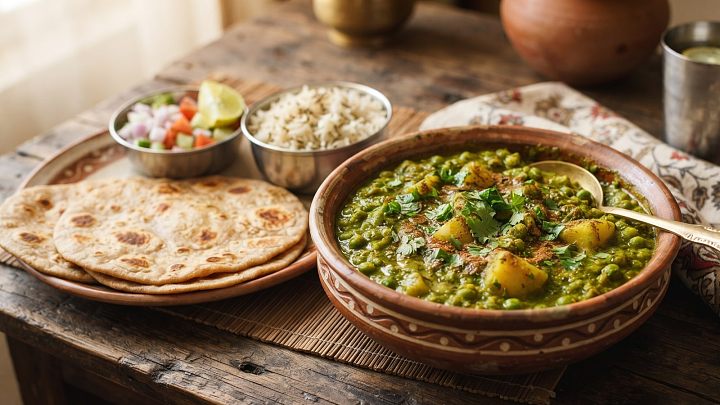
Those observing a phalahar-style fast may consume fruits, milk, curd, makhana, dry fruits and dishes prepared using vrat-friendly ingredients such as sabudana and singhara atta.
If salt is permitted in your fasting tradition, sendha namak or rock salt is generally used instead of regular table salt.
What Should You Avoid?
People observing the traditional fast generally avoid grains and non-vegetarian food. Alcohol is also avoided. Very oily, heavily spiced and other foods that do not fit a satvik fasting diet are usually skipped.
However, fasting customs vary considerably. People with medical conditions, pregnant women, older adults or anyone taking regular medication should prioritise their health and seek medical advice before undertaking restrictive or prolonged fasting.
For devotees, Sawan Shivratri is ultimately a day centred on Shiva worship, prayer and spiritual discipline. Whether observing a complete fast or simply performing Jalabhishek, rituals can be followed according to one’s family tradition and personal capacity.