TasteAtlas Called Hing One Of The World's 'Stinkiest Foods' But Is It Really?
Few ingredients divide opinion quite like asafoetida, better known as hing. A staple in Indian kitchens for generations, the spice is prized for adding depth and complexity to dals, curries and vegetable dishes. Yet its
By Swati Chaturvedi··26K reads
TasteAtlas Called Hing One Of The World's 'Stinkiest Foods' But Is It Really?
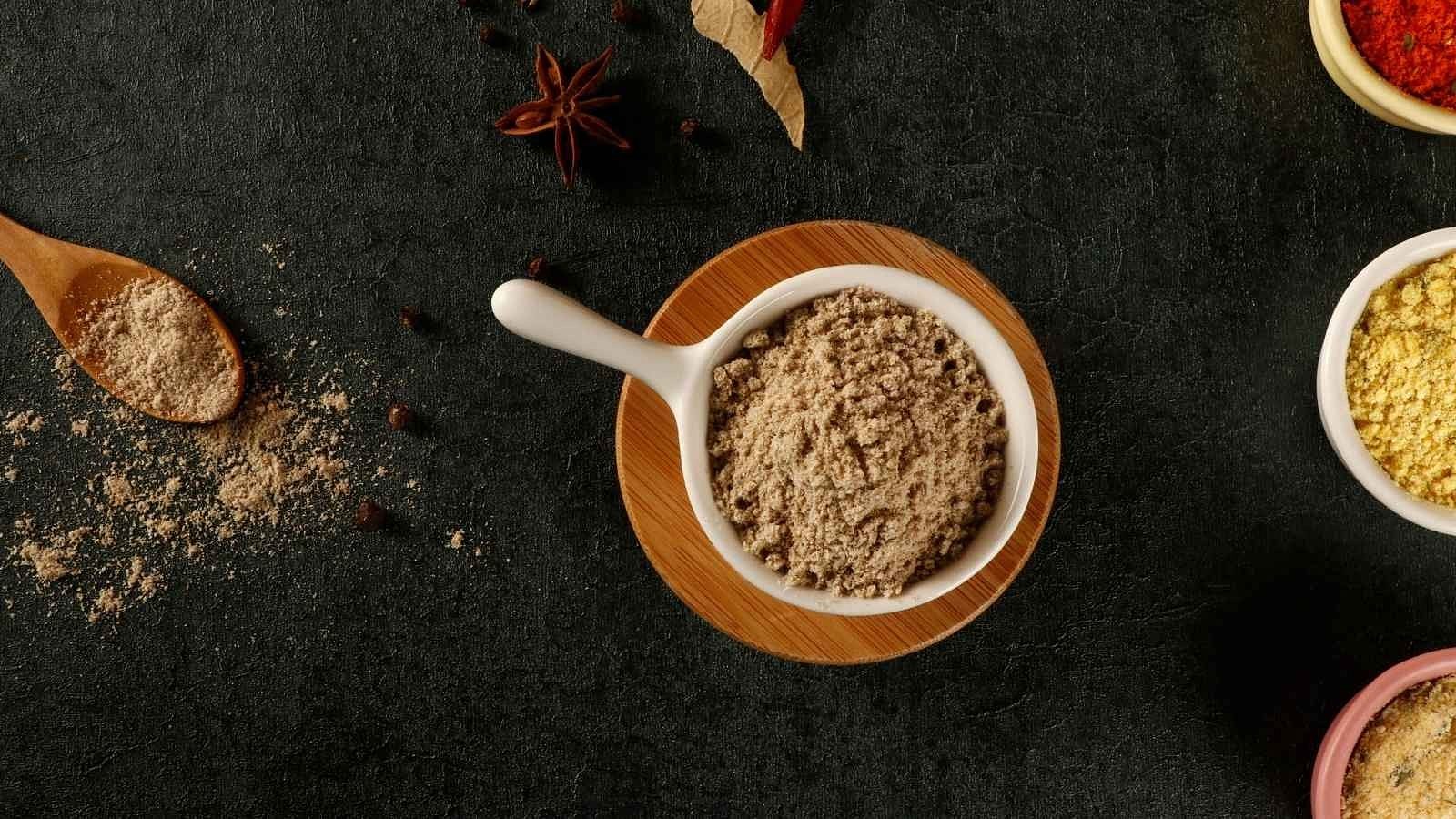
Few ingredients divide opinion quite like asafoetida, better known as hing. A staple in Indian kitchens for generations, the spice is prized for adding depth and complexity to dals, curries and vegetable dishes. Yet its unmistakably pungent aroma has long puzzled and sometimes repelled, those unfamiliar with its culinary role.
The debate recently gained fresh momentum after food guide TasteAtlas included asafoetida in its list of “The World’s Stinkiest Foods.” Describing it as a “pungent raisin spice,” the publication featured hing alongside several famously strong-smelling foods from around the world, although it did not assign the ingredient a rating.
In the caption accompanying its Instagram post, TasteAtlas explained that many foods known for their powerful aromas are rooted in necessity rather than novelty.
“Nobody invented these foods to shock people on the internet. They exist because humans had to preserve whatever they caught or harvested, or starve.”
The post went on to highlight how preservation techniques evolved across cultures long before refrigeration. From fermented shark in Iceland and South Korea to France’s washed-rind cheeses and Greenland’s kiviak, a traditional dish of seabirds fermented inside seal skin, the publication argued that many of the world’s strongest-smelling foods are deeply tied to history, climate and survival.
It concluded by noting that while the aromas may seem overwhelming to outsiders, they are the product of centuries of local tradition and culinary practice.
Indians Rush To Hing’s Defence
The inclusion of hing quickly sparked debate online, with many Indian users arguing that the spice’s reputation stems more from unfamiliarity than from its actual culinary value.
One user wrote, “Asafoetida is not stinky lol � it gives a garlic-like pungent smell to foods that don’t have garlic.”
Another commented, “Asafoetida isn’t stinky. It’s simply strong in flavour and not for the faint-hearted.”
A third questioned the ranking altogether, writing, “Asafoetida? Seriously?”
The reactions highlight how deeply cultural experiences influence the way people perceive smell and taste. Ingredients considered unpleasant in one part of the world are often cherished staples elsewhere, with familiarity playing a significant role in shaping our preferences.
Why Does Hing Smell So Strong?
According to Ashlesha Joshi, Fitness Dietician and Nutritionist, Tone30 Pilates, the answer lies in the spice’s chemistry.
“Asafoetida owes its intense aroma to sulphur-containing volatile compounds, many of which are chemically similar to those found in garlic and onions,” she explains. “In its raw form, these compounds are highly concentrated, producing a sharp, pungent smell that many people find overpowering.”
Fortunately for those put off by its raw aroma, the transformation begins the moment hing hits hot oil or ghee.
Joshi explains that heat alters these volatile compounds, softening their intensity and allowing the spice to develop the rich, savoury flavour that has made it an essential ingredient in Indian cooking for centuries.
Rather than dominating a dish, properly tempered hing enhances other ingredients, adding layers of umami without leaving behind its sharp raw smell.
Why Some People Love It While Others Don’t
The way we experience aromas is influenced by far more than our noses.
Joshi says both genetics and cultural exposure play an important role in determining how we perceive hing.
“Genetics determine how sensitive an individual is to certain aroma compounds, which explains why some people perceive hing as pleasantly savoury while others find it unpleasantly strong,” she says.
Equally important is familiarity.
People who grow up eating dishes seasoned with hing often associate its aroma with comfort, home-cooked meals and traditional recipes. Repeated exposure helps the brain recognise the smell as familiar and enjoyable rather than offensive, a phenomenon seen across cuisines around the world.
It’s one of the reasons why foods ranging from blue cheese to fermented fish and kimchi can inspire both devotion and disbelief depending on where someone grew up.
Does Hing Offer Any Health Benefits?
While hing is typically added to dishes in tiny quantities, its value extends beyond flavour.
According to Joshi, the spice contains bioactive compounds believed to possess antioxidant, anti-inflammatory and antimicrobial properties. The strongest evidence currently supports its traditional use in helping relieve gas, bloating and digestive discomfort.
However, she cautions that much of the existing research has been conducted in laboratories or on animals, meaning more human studies are needed before definitive health claims can be made.
From a culinary perspective, only a small pinch is usually needed to flavour an entire dish while delivering its traditional digestive benefits.
Who Should Be Careful?
Although hing is generally considered safe when used in cooking, Joshi advises caution when it is consumed in concentrated amounts or taken as a supplement.
People taking blood-thinning medication, those with bleeding disorders and individuals who are pregnant should consult a healthcare professional before consuming large quantities, as higher doses may not be suitable for everyone.
More Than Just A Strong Smell
Whether you find hing irresistible or overwhelming often depends on where and how, you first encountered it.
For millions of Indian households, its aroma signals the beginning of a comforting home-cooked meal. For others, it may simply be one of the world’s strongest-smelling spices.
Either way, the conversation surrounding asafoetida serves as a reminder that taste and smell are rarely universal. They are shaped by culture, memory, biology and tradition, making one person’s “stinky food” another’s indispensable kitchen essential.