Lifestyle
Shilpa Shetty Visits Pashupatinath Temple: The Sacred Shiva Shrine And Its Spiritual Connection To Jyotirlings
Bollywood actress Shilpa Shetty recently sought blessings at the revered Pashupatinath Temple, sharing glimpses of her spiritual visit from Kathmandu on social media. Dressed in a bright yellow traditional outfit and sta
6K reads
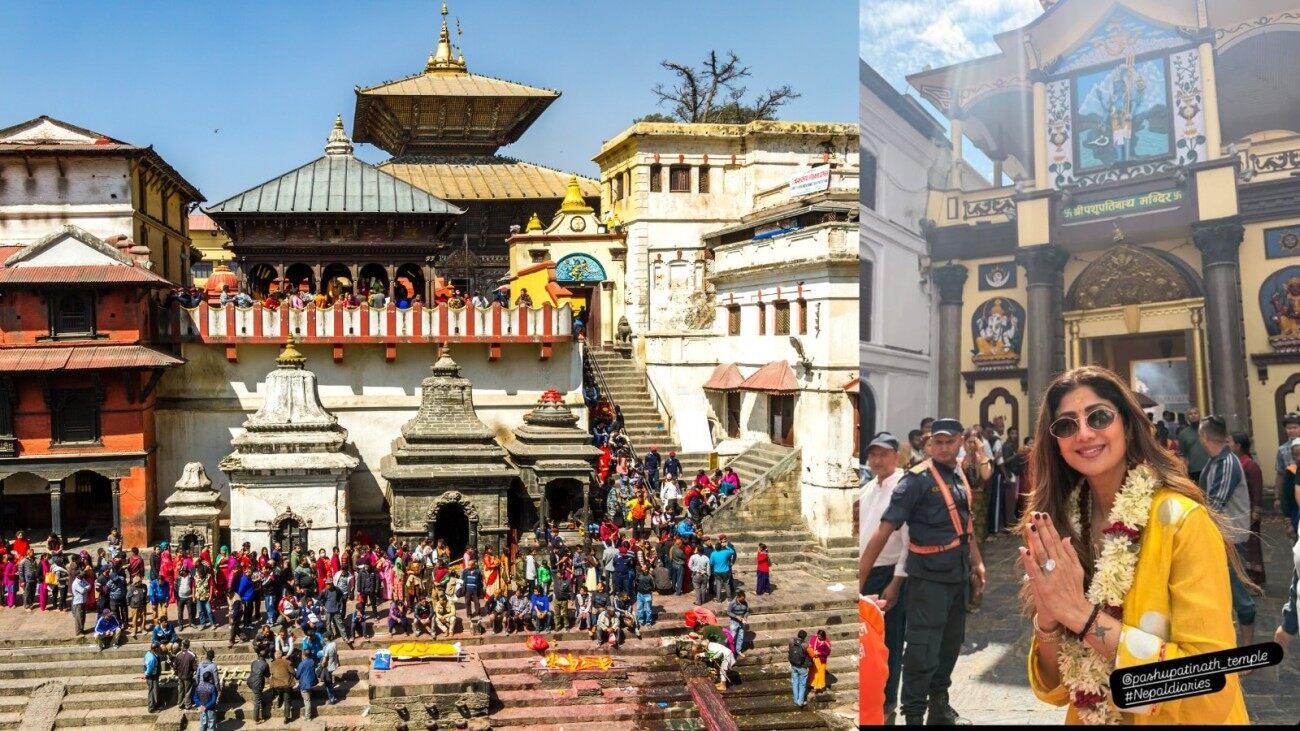
Bollywood actress Shilpa Shetty recently sought blessings at the revered Pashupatinath Temple, sharing glimpses of her spiritual visit from Kathmandu on social media. Dressed in a bright yellow traditional outfit and standing with folded hands, she posted a photo captioned “@pashupatinath temple #nepaldiaries.”
While many know Pashupatinath as Nepal’s most sacred Shiva temple, few are aware of its deep spiritual connection with India’s Jyotirlingas, particularly Kedarnath.
Pashupatinath Temple, dedicated to Lord Shiva as Pashupati, stands on the banks of the sacred Bagmati River. Recognised as a UNESCO World Heritage Site since 1979, it is one of the oldest and most significant Hindu temples in South Asia, with origins believed to date back to the 5th century. The complex features a principal pagoda-style temple and hundreds of smaller shrines, drawing thousands of pilgrims for prayer, rituals and a deep spiritual connection with Shiva.
Located on the banks of the Bagmati River in Kathmandu, Pashupatinath Temple is one of the most revered temples dedicated to Lord Shiva. The temple’s name comes from Pashupati, meaning “Lord of All Living Beings”, a form of Shiva worshipped as the protector of every creature.
Image: Canva
Spiritual Connection Between Pashupatinath and 12 Jyotirlings
The Pashupatinath Temple is not one of the 12 Jyotirlingas, yet it holds immense spiritual significance for devotees of Lord Shiva and shares a deep symbolic connection with them. According to Hindu tradition, the strongest link is with Kedarnath Temple, one of the twelve Jyotirlingas.
While the 12 Jyotirlingas represent places where Lord Shiva is believed to have appeared as an infinite pillar of divine light (jyoti), Pashupatinath is revered as Pashupati, meaning Lord of All Living Beings. Although it is not counted among the Jyotirlingas, many Shaivite traditions regard it as one of the holiest Shiva shrines in the world.
Pilgrims often consider a visit to both Pashupatinath and the Jyotirlingas, especially Kedarnath, as a spiritually enriching journey that celebrates different manifestations of Lord Shiva and reinforces the shared cultural and religious heritage of India and Nepal.
Ancient scriptures state that after the Kurukshetra war, the Pandavas sought Lord Shiva’s forgiveness. To avoid them, Shiva assumed the form of a bull. When Bhima recognised him, the bull disappeared into the earth. It is believed that the hump emerged at Kedarnath, where the Jyotirlinga is worshipped today, while the face manifested at Pashupatinath in Nepal. This legend symbolically unites the two temples as manifestations of the same divine form of Shiva.
Daily life at the temple is marked by sacred rhythms. Morning begins early with the Mangla Aarti and Abhishekam, where the Shiva Lingam is purified with milk, water, honey and curd. In the evening, the aarti near the Bagmati River, performed with oil lamps, incense and devotional songs, creates a powerful atmosphere of devotion. The river ghats also host traditional cremation rituals, reminding visitors of life’s cycle and the soul’s journey.
For devotees, darshan at Pashupatinath is said to offer spiritual purification and protection from rebirth in animal form, provided certain traditions are observed. Shilpa Shetty’s visit highlights how this ancient site continues to draw people seeking peace, blessings and a deeper connection with Lord Shiva.
Share
Tags