Shilpa Shetty Performs Intricate One-legged Ushtrasana: How To Do Eka Pada Ushtrasana Yoga Pose
Shilpa Shetty’s love for staying fit by working out daily and experimenting with different and pretty extreme yoga poses is pretty well known. A quick scroll through her social media and you will find that it is very wel
By Abigail Banerji··22K reads
Shilpa Shetty Performs Intricate One-legged Ushtrasana: How To Do Eka Pada Ushtrasana Yoga Pose
Shilpa Shetty’s love for staying fit by working out daily and experimenting with different and pretty extreme yoga poses is pretty well known. A quick scroll through her social media and you will find that it is very well documented as well. Almost every week, the actor shares a glimpse of her rigorous workout with her fans, and they usually leave us bewildered with her flexibility and strength.
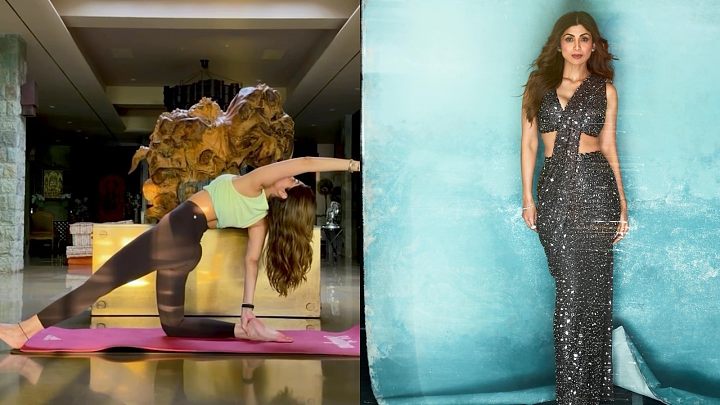
And this time, the actor is giving fitness enthusiasts another reason to roll out their yoga mats. The actor recently shared a video on Instagram demonstrating One-Legged Ushtrasana, also known as Eka Pada Ushtrasana. It is a extremely challenging variation of the traditional Camel Pose that combines a gentle backbend with a hamstring stretch and single-sided balance work.
While the pose looks graceful when performed with control, it requires flexibility, strength and body awareness. In her post, Shilpa highlighted how the asana works on balance and coordination, stretches the hamstrings, calves and back of the knee, and opens the chest and front of the shoulders. If you are tempted to try this yoga pose at home, read on to know more.
View this post on Instagram
A post shared by Shilpa Shetty Kundra (@theshilpashetty)
What Is One-legged Ushtrasana (Eka Pada Ushtrasana)?
Ushtrasana, commonly known as Camel Pose, is a kneeling backbend in which the practitioner arches the spine and reaches towards the heels. Eka Pada Ushtrasana takes this posture a step further by incorporating an extended front leg and a one-sided balance challenge. The combination requires the practitioner to coordinate the movement of the hips, shoulders and spine while maintaining stability.
Sharing the “Benefits” of “One-legged Ushtrasana (Eka Pada Ushtrasana)”, the actor listed them in her caption:
This variation of Ushtrasana combines a gentle backbend with a hamstring stretch and single-sided balance work.
It strengthens balance, coordination and body awareness by challenging stability with only one side of the body grounded.
The extended front leg deeply stretches the hamstrings, calves and the back of the knee, helping relieve tightness caused by prolonged sitting or walking.
The gentle backbend opens up the chest and stretches the front of the shoulders, helping counteract a slouched posture while improving spinal mobility.
How To Perform One-legged Ushtrasana
If you are new to this variation, learn it under the guidance of a qualified yoga instructor rather than attempting the full posture by watching a video alone. Here is a general sequence for practising it:
Begin in a kneeling position: Place a yoga mat on the floor and come onto your knees. Keep your torso upright, shoulders relaxed and spine neutral.
Extend one leg forward: Carefully bring one leg forward and extend it in front of you, keeping the heel grounded and toes pointing upwards. Bend the other knee so that it remains folded behind you.
Prepare for the backbend: Keep your hips steady and gently engage your abdominal muscles. Avoid pushing your lower back forward or allowing your hips to twist.
Reach towards the back foot: Slowly lift one arm and reach it backwards towards the heel of the folded leg. Once you have a comfortable hold, gradually bring the other arm back, as your flexibility allows. Do not force your hand to reach the foot.
Lift your chest: Gently open your chest and roll your shoulders back while maintaining a controlled arch through your upper and middle back. Keep your neck comfortable and avoid dropping your head suddenly.
Hold and release: Breathe normally and hold the position only for as long as you can maintain comfortable alignment. Slowly release your hands, bring your torso upright and return to a kneeling position. Repeat on the other side only if you can do so comfortably.
What Are The Benefits Of Eka Pada Ushtrasana?
In her Instagram caption, Shilpa described the pose as a combination of a gentle backbend, hamstring stretch and single-sided balance exercise. She highlighted its potential to improve balance, coordination and body awareness by challenging stability.
The extended leg stretches the hamstrings, calves and the area behind the knee, which may help ease muscular tightness associated with prolonged sitting or walking. Meanwhile, the backbend opens the chest and stretches the front of the shoulders. This can help counteract a slouched posture and encourage spinal mobility.
Precautions To Take Before Trying This Yoga Pose
Eka Pada Ushtrasana is not a beginner-friendly posture. A few precautions can help reduce the risk of strain or injury:
Warm up first: Prepare your knees, hips, shoulders, hamstrings and spine with gentle mobility exercises before attempting the pose.
Protect your knees: Use a folded blanket or extra yoga mat cushioning under your knees. Stop if you experience knee pain.
Do not force the backbend: Keep the movement gentle and avoid compressing the lower back to achieve a deeper arch.
Avoid pulling your neck backwards: Keep your gaze comfortable and do not jerk or strain your neck.
Use support: A yoga block or instructor-assisted modification can help if reaching for your heel feels difficult.
Know when to avoid it: Those with existing knee, hip, shoulder, neck or back injuries, significant balance difficulties, or recent abdominal surgery should avoid attempting the full pose until they have consulted a healthcare professional. People with conditions such as uncontrolled high blood pressure or hernia should also seek medical advice before practising deep backbends.
The Ministry of Ayush’s Common Yoga Protocol advises avoiding jerky neck movements during Camel Pose and maintaining an even distribution of body weight. These principles are particularly important when attempting a more demanding variation such as Eka Pada Ushtrasana.