Preventive Healthcare Is The Future: Can Ayurveda Complement Modern Medicine?
As healthcare systems around the world grapple with the rising burden of chronic disease, the focus is increasingly shifting from treating illness after it appears to identifying risks earlier and encouraging healthier l
By Swati Chaturvedi··25K reads
Preventive Healthcare Is The Future: Can Ayurveda Complement Modern Medicine?
As healthcare systems around the world grapple with the rising burden of chronic disease, the focus is increasingly shifting from treating illness after it appears to identifying risks earlier and encouraging healthier lifestyles. Preventive healthcare is no longer simply about annual check-ups; it encompasses nutrition, physical activity, mental wellbeing, early screening and personalised approaches to long-term health.
The World Health Organization estimates that non-communicable diseases account for approximately 74% of deaths globally. In India, the scale of lifestyle-related disease is similarly significant. The ICMR-INDIAB study has estimated that more than 100 million Indians are living with diabetes, while cardiovascular disease remains a major contributor to mortality.
These trends are forcing healthcare systems to consider a broader question: how can people stay healthier for longer, rather than relying primarily on treatment once disease has developed?
Why Prevention Is Becoming A Healthcare Priority
Modern medicine has made enormous advances in diagnosis, surgery, pharmaceuticals and disease management. Yet many chronic conditions are influenced by factors such as diet, physical inactivity, tobacco and alcohol use, chronic stress and inadequate sleep.
This has created greater interest in interventions that can happen much earlier in the health journey.
Preventive healthcare today can include everything from regular blood-pressure and blood-sugar monitoring to nutritional counselling, exercise, sleep management and mental-health support. Increasingly, technology is also enabling more personalised approaches, allowing individuals and clinicians to identify risk factors and make changes before they develop into more serious problems.
The shift is significant because prevention can potentially reduce both the individual and economic burden associated with managing chronic disease over the long term.
The Growing Interest In Traditional And Holistic Approaches
Alongside developments in conventional healthcare, there has also been growing global interest in traditional systems of medicine and holistic approaches to wellbeing.
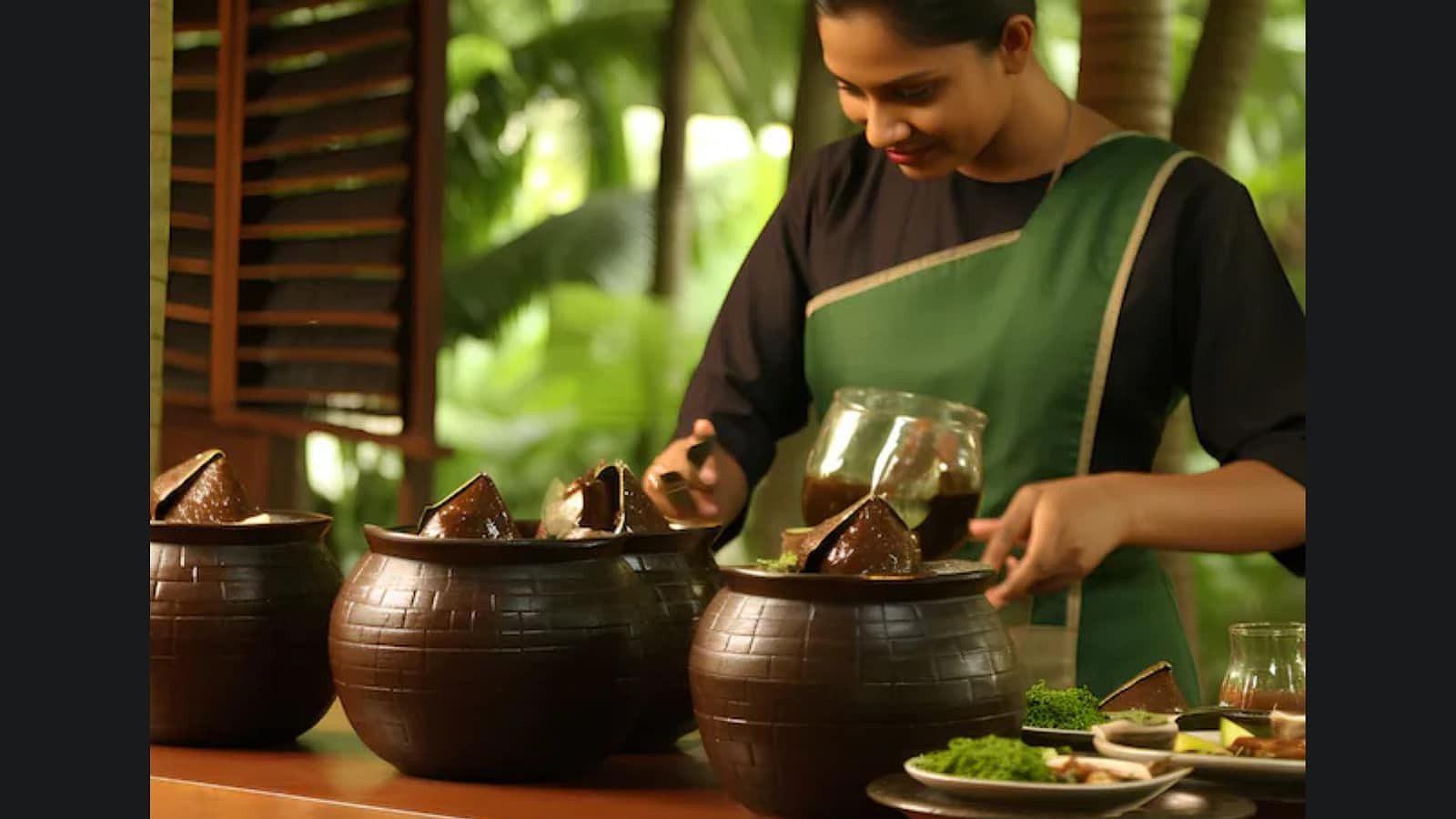
Ayurveda is one such system. Its approach places considerable emphasis on diet, daily routines, individual constitution, digestion, lifestyle and the relationship between physical and mental wellbeing.
The global interest in Ayurveda has also expanded beyond India, with Ayurvedic products, wellness retreats, yoga and meditation becoming increasingly visible internationally.
However, growing popularity does not automatically establish the effectiveness of every traditional practice. As interest increases, there is an opportunity and a need to examine traditional approaches through rigorous research and understand where they can responsibly complement modern healthcare.
Where Could Ayurveda Fit Into Preventive Healthcare?
Ayurveda’s emphasis on individualised lifestyle is one area that may align with the broader movement towards personalised preventive health.
Rather than focusing only on symptoms, traditional Ayurvedic practice considers factors such as diet, daily routines, sleep, activity and an individual’s overall physical and mental state. Practices including yoga, meditation and dietary changes are also frequently incorporated into wellness programmes.
Ayurvedic practitioners may use traditional concepts such as Vata, Pitta and Kapha to describe different physiological and behavioural patterns. From an Ayurvedic perspective, maintaining balance among these elements is associated with health and wellbeing.
For contemporary healthcare, however, such traditional frameworks need to be considered alongside established clinical assessment and scientific evidence rather than treated as substitutes for medical diagnosis or treatment.
This distinction is particularly important when dealing with chronic or serious illnesses.
The Mind-Body Connection
One area where traditional wellness practices increasingly intersect with contemporary health conversations is the relationship between mental and physical wellbeing.
Chronic stress, poor sleep and emotional distress can influence a person’s behaviour and overall quality of life. Modern research into practices such as meditation and yoga has also explored their potential role in areas including stress management, emotional wellbeing and cognitive health.
Ayurveda’s broader philosophy similarly places importance on mental balance and consciousness alongside physical health.
This does not mean that meditation or traditional wellness practices can replace clinical treatment for mental or physical illness. Rather, they may form part of a wider lifestyle approach that supports wellbeing alongside appropriate medical care.
Could Traditional Therapies Complement Modern Medicine?
Ayurvedic therapies such as Panchakarma are traditionally used as part of Ayurvedic approaches to health and wellbeing. Similarly, pulse-based assessment is used by Ayurvedic practitioners as one component of their traditional evaluation of an individual’s health.
For these practices to become part of the wider preventive-health conversation, however, questions around safety, standardisation, clinical evidence and appropriate patient selection remain important.
The future may therefore lie less in choosing between traditional and modern medicine and more in understanding where each can contribute.
An individual managing diabetes, hypertension or another chronic condition, for example, should continue to receive appropriate medical diagnosis and treatment. Lifestyle measures such as nutrition, physical activity, stress management and sleep can potentially complement that care, provided they are undertaken responsibly and with appropriate professional guidance.
The Need For Evidence-Based Integration
As interest in integrative healthcare grows, evidence will be critical. Traditional knowledge accumulated over centuries can provide valuable areas for research, but individual practices need to be assessed on their own merits. High-quality clinical studies, safety monitoring and scientific evaluation can help distinguish practices that may offer genuine benefits from claims that are not adequately supported by evidence.
This approach can also create a more productive conversation between practitioners of traditional medicine and modern healthcare professionals.
Rather than positioning Ayurveda as an alternative to modern medicine, an integrative model could explore how evidence-supported practices relating to nutrition, physical activity, yoga, meditation, stress management and lifestyle can work alongside conventional healthcare.
A More Personalised Future Of Healthcare
The future of preventive healthcare is likely to be increasingly personalised. Instead of waiting for disease to appear, healthcare systems will continue to place greater emphasis on identifying individual risk factors and helping people make sustainable changes to their lifestyles.
Ayurveda’s focus on personalised routines and holistic wellbeing may offer useful perspectives within this evolving landscape. At the same time, its wider integration into healthcare will depend on continued research, clinical validation and responsible practice.
The conversation, therefore, need not be about Ayurveda versus modern medicine.
It can instead be about how different streams of knowledge can contribute to a healthcare system that puts prevention, individual wellbeing and early intervention at its centre.
The future of healthcare will not be defined solely by more advanced treatments. It will also depend on our ability to identify risks earlier, support healthier lifestyles and help people remain well for longer. Traditional systems such as Ayurveda may have a role within that ecosystem but their most meaningful contribution will come when traditional knowledge and modern science are brought together with curiosity, evidence and appropriate clinical safeguards.