Persistent Cough, Wheezing? Doctors Explain What Smog Does To Your Lungs And Why The Toughest Months May Still Be Ahead
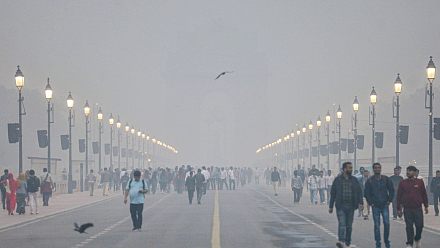
Delhi’s pollution season is beginning to make itself felt, with air quality deteriorating across parts of the capital. On October 14, 2026, monitoring stations in Anand Vihar and Vivek Vihar recorded AQI readings of 268
By Mallika Bhagat··21K reads
Persistent Cough, Wheezing? Doctors Explain What Smog Does To Your Lungs And Why The Toughest Months May Still Be Ahead
Delhi’s pollution season is beginning to make itself felt, with air quality deteriorating across parts of the capital. On October 14, 2026, monitoring stations in Anand Vihar and Vivek Vihar recorded AQI readings of 268 and 272 respectively at 6 am, according to the Indian Institute of Tropical Meteorology’s Delhi Air Quality Early Warning System.
And all this is before Diwali. The months ahead could bring a more prolonged challenge. Colder temperatures, weaker winds and atmospheric conditions that restrict the dispersal of pollutants can allow emissions to accumulate closer to the ground. Vehicle exhaust, construction dust, industrial emissions and smoke from crop-residue burning add to the problem. For Delhiites, the consequences are much more than just burning eyes and an irritated throat. Repeated exposure to polluted air can aggravate respiratory conditions, affect lung function and increase the risk of longer-term health problems.
Dr Syed Abdul Aleem, Senior Pulmonologist at CARE Hospitals, Musheerabad, Hyderabad; Dr Akshay Budhraja, Senior Consultant and Head of Respiratory and Sleep Medicine at Aakash Healthcare; and Dr Aditya Nag, Assistant Professor in the Department of Respiratory Medicine at NIIMS Medical College and Hospital, explain how air pollution affects the body and what people can do to protect themselves as winter approaches.
How does polluted air affect your lungs?
The health risks of air pollution are closely linked to the size and type of pollutants people inhale. Fine particulate matter, particularly PM2.5, can travel deep into the lungs, while other pollutants can irritate the respiratory tract and trigger inflammation. Dr Budhraja explains why these particles are difficult for the body to filter out. “Every breath pulls air through the lungs with no way of choosing what comes with it. Dust, smoke, vehicle exhaust and invisible particles all travel the same route, down the windpipe and into the tiny air sacs where oxygen enters the blood.
“The biggest concern is PM2.5, particles roughly 30 times thinner than a human hair. The nose and throat catch larger dust, but these particles slip past those defences and settle deep in the lungs. The body treats them as intruders, and the airways respond with inflammation: swelling, extra mucus and narrowing,” he adds. This inflammatory response can cause coughing, wheezing, a scratchy throat and chest tightness. Some people may also experience breathlessness or unusual fatigue, particularly during periods of poor air quality.
Dr Aleem says the problem affects people across age groups, including those who have never been diagnosed with a respiratory illness. “Air pollution is a significant risk factor for respiratory health, affecting people across all age groups, particularly children, older adults and individuals with pre-existing lung conditions such as asthma and chronic obstructive pulmonary disease (COPD). Exposure to pollutants such as particulate matter (PM2.5 and PM10), nitrogen dioxide and ground-level ozone can irritate the airways, trigger inflammation and reduce lung function.”
He adds: “When inhaled, fine particulate matter can travel deep into the lungs, causing irritation, persistent coughing, wheezing, breathlessness and chest discomfort.”
Persistent Cough, Wheezing? Doctors Explain What Smog Does To Your Lungs And Why The Toughest Months May Still Be Ahead
Can air pollution cause lasting lung damage?
The effects of pollution are not restricted to temporary irritation. Repeated exposure can worsen existing respiratory conditions, while long-term exposure is associated with a greater risk of chronic respiratory and cardiovascular problems.
Dr Budhraja warns that the effects can accumulate over time. “Over time, repeated exposure can leave airways permanently more sensitive. Asthma can become harder to control, and the risk of chronic obstructive pulmonary disease (COPD) and recurrent chest infections rises. Fine particles can also enter the bloodstream, which is why polluted air is linked to heart problems as well.”
Dr Aleem similarly cautions against underestimating the consequences of prolonged exposure. “Prolonged exposure can aggravate existing respiratory conditions and increase the risk of respiratory infections and long-term lung damage. Even individuals without a history of lung disease may experience symptoms during periods of poor air quality.”
Why children are particularly vulnerable
Children face particular risks because their lungs are still developing and their breathing patterns mean they can inhale more air relative to their body size than adults. Dr Nag explains: “Children are particularly susceptible. Their lungs are still in the process of maturing. They breathe rapidly, which increases the amount of polluted air entering their bodies relative to their sizes; hence prolonged exposure to polluted air could lead to permanent changes in lung development.”
He also highlights the broader health implications: “The effects don’t just limit to the lungs. Long-term exposure increases risk of heart disease, stroke and exacerbates existing lung conditions.” Older adults and people with asthma, COPD or heart disease also need to be cautious. Existing conditions can make it harder for the body to cope with the additional strain caused by polluted air.
Parents should pay attention to persistent coughing, wheezing, breathlessness or changes in a child’s ability to carry out normal physical activities. On days when pollution levels are high, strenuous outdoor exercise and play should be reduced or moved indoors.
Which symptoms should you not ignore?
Coughing, throat irritation and breathlessness can have several causes, but symptoms that persist or worsen during periods of poor air quality warrant medical attention.
Dr Aleem advises people to look out for early warning signs. “It is important to recognise early warning signs, including a persistent cough, unusual fatigue, difficulty breathing or worsening asthma symptoms. Individuals experiencing severe breathlessness or sudden deterioration should seek immediate medical attention.”
Dr Budhraja also cautions against dismissing symptoms that continue beyond a brief period of irritation. “Lungs rarely complain loudly until the damage is significant. Treating breathlessness that lingers, a cough lasting more than two to three weeks, or frequent chest tightness as worth a check-up can make the difference between early management and long-term damage.”
Dr Nag adds that “Prolonged cough, breathlessness during normal activity or night wheezing should be examined by a doctor.”
People with existing respiratory conditions should continue their prescribed treatment and consult their doctor if symptoms worsen. Severe breathlessness or a sudden deterioration should require urgent medical attention.