Navratri 2026 Begins Tomorrow: Date, Ghatasthapana Time And 9-Day Calendar, Check Day-Wise Schedule of Shardiya Navratri
Navratri 2026 Begins Tomorrow Date, Ghatasthapana Time and 9-Day Calendar: Shardiya Navratri 2026: Shardiya Navratri will begin on Sunday, October 11, with Ghatasthapana marking the start of nine days dedicated to the wo
By Nibandh Vinod··16K reads
Navratri 2026 Begins Tomorrow: Date, Ghatasthapana Time And 9-Day Calendar, Check Day-Wise Schedule of Shardiya Navratri
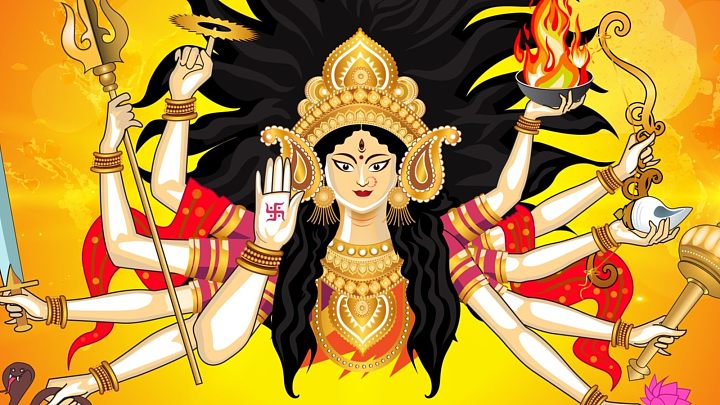
Navratri 2026 Begins Tomorrow Date, Ghatasthapana Time and 9-Day Calendar: Shardiya Navratri 2026: Shardiya Navratri will begin on Sunday, October 11, with Ghatasthapana marking the start of nine days dedicated to the worship of Goddess Durga and her nine forms. The festival will culminate with Vijayadashami, also known as Dussehra, on Tuesday, October 20.
According to Drik Panchang, the Ashwina Shukla Pratipada Tithi begins at 9:19 PM on Saturday, October 10, and ends at 9:30 PM on Sunday, October 11.
Ghatasthapana, also called Kalash Sthapana, is the ritual installation of a sacred pot at the beginning of Navratri. Devotees perform the ceremony according to their family traditions, invoking Goddess Durga and beginning the period of daily prayers and offerings.
If you are preparing for the festival, here is the date, Ghatasthapana Muhurat, city-wise timings, nine-day calendar, traditional colours, essential puja items and the steps involved in Kalash Sthapana.
Navratri 2026: Date And Significance
Shardiya Navratri begins on Sunday, October 11, 2026, and the nine-day observance continues through Monday, October 19. Vijayadashami falls on Tuesday, October 20.
The festival is dedicated to Goddess Durga and her nine forms, collectively known as Navdurga. Devotees observe the occasion through prayers, fasting according to personal or family custom, devotional singing and daily puja.
Ghatasthapana is an important ritual on the first day. A Kalash is installed in a designated puja space, and barley seeds are traditionally sown in soil as a symbol of growth, prosperity and renewal.
Ghatasthapana Muhurat 2026
According to Drik Panchang, the Ghatasthapana Muhurat is from 6:19 AM to 10:12 AM. The Abhijit Muhurat is from 11:44 AM to 12:31 PM.
Ghatasthapana Tithi And Muhurat
Pratipada Tithi begins: 9:19 PM on October 10, 2026
Pratipada Tithi ends: 9:30 PM on October 11, 2026
Ghatasthapana Muhurat: 6:19 AM to 10:12 AM
Abhijit Muhurat: 11:44 AM to 12:31 PM
Navratri begins: Sunday, October 11, 2026
City-Wise Ghatasthapana Timings For October 11, 2026
Ghatasthapana marks the beginning of Navratri worship.
Why Is Ghatasthapana Performed During Navratri?
Ghatasthapana marks the beginning of Navratri worship. During the ritual, devotees install a Kalash in a clean, prepared space and offer prayers to Goddess Durga.
The Kalash is traditionally filled with water and decorated with leaves and a coconut. Barley seeds are sown in a separate earthen pot, and their growth is observed during the festival.
The ritual symbolises devotion, auspicious beginnings and the hope for prosperity. Practices and the precise arrangement of the Kalash may differ according to regional customs and family traditions.
Navratri 2026: Nine-Day Calendar And Colours
Navratri will be celebrated from October 11 till October 19.
Day 1: Maa Shailputri
The first day is dedicated to Maa Shailputri, regarded as the daughter of the mountains. Devotees begin Navratri with prayers seeking strength, stability and auspicious beginnings.
Read More: Navratri 2026 Day 1: Maa Shailputri Puja, Time, Colour, Bhog And Mantra
Day 2: Maa Brahmacharini
Maa Brahmacharini represents devotion, discipline and perseverance. Worship on this day is associated with spiritual dedication and inner strength.
Read More: Navratri 2026 Day 2: Maa Brahmacharini Puja, Bhog, Colour And Mantra
Day 3: Maa Chandraghanta
Maa Chandraghanta is associated with courage and protection. Devotees pray for confidence, peace and the strength to overcome challenges.
Read More: Navratri 2026 Day 3: Maa Chandraghanta, Puja Time, Colour, Bhog And Mantra, How To Worship The Third Form Of Goddess Durga?
Day 4: Maa Kushmanda
Maa Kushmanda is associated with creative energy and the origin of the universe in Hindu tradition. Devotees seek health, happiness and positive energy.
Read More: Navratri 2026 Day 4: Maa Kushmanda, Puja Time, Colour, Bhog and Mantra, How To Worship The Fourth Form Of Goddess Durga?
Day 5: Maa Skandamata
Maa Skandamata is worshipped as the mother of Skanda, also known as Kartikeya. Her worship is associated with maternal care, compassion and blessings for the family.
Read More: Navratri 2026 Day 5: Maa Skandamata, Puja Time, Colour, Bhog, Mantra, And How To Worship The Fifth Form Of Goddess Durga?
Day 6: Maa Katyayani
Maa Katyayani represents courage and divine power. Devotees offer prayers seeking strength, determination and protection.
Read More: Navratri Day 6 2026: Maa Katyayani, Puja Time, Colour, Bhog, Mantra, And How To Worship The Sixth Form Of Goddess Durga?
Day 7: Maa Kalaratri
Maa Kalaratri is a fierce form of the Goddess associated with the destruction of negativity and the protection of devotees. Worship is directed towards courage and the removal of fear.
Read More: Navratri 2026 Day 7: Maa Kalaratri, Puja Time, Colour, Bhog, Mantra, And How To Worship The Seventh Form Of Goddess Durga?
Day 8: Maa Mahagauri
Maa Mahagauri is associated with purity, peace and serenity. Devotees pray for harmony, well-being and spiritual renewal.
Read More: Navratri 2026 Day 8: Maa Mahagauri, Puja Time, Colour, Bhog, Mantra, And How To Worship The Eighth Form Of Goddess Durga?
Day 9: Maa Siddhidatri
Maa Siddhidatri is associated with spiritual fulfilment and divine blessings. The ninth day brings the sequence of Navdurga worship to a close.
Read More: Navratri 2026 Day 9: Maa Siddhidatri, Puja Time, Colour, Bhog, Mantra, And How To Worship The Ninth Form Of Goddess Durga?
Essential Ghatasthapana Samagri
For the barley bed
A wide, shallow earthen pot
Clean soil or sand suitable for sowing
Barley seeds, also called jau
A small quantity of clean water
For the Kalash
A copper, brass, silver or earthen Kalash
Clean water or Gangajal
A coin
A betel nut, or supari
Raw rice grains, known as akshat
A sacred thread, or kalava
For the coconut and decoration
A fresh coconut, preferably with its husk intact
Five or seven mango or Ashoka leaves, according to custom
A red cloth or chunari
Kumkum or roli
Turmeric powder
Flowers and garlands
For daily worship
A ghee lamp or diya
Incense sticks
Fruits and sweets for prasad
A clean cloth for the puja platform
A low wooden stool or chowki, if used in the household tradition
Ghatasthapana Vidhi: Step-by-Step Kalash Sthapana
Ghatasthapana is generally performed during the prescribed Muhurat on the first day of Navratri.
Step 1: Clean The Puja Space
Take a bath, wear clean clothes and prepare a clean place for worship. Some families sprinkle Gangajal as part of the purification ritual.
Place a low wooden stool or chowki in the designated area and cover it with a clean red or yellow cloth, if customary.
Step 2: Prepare The Barley Bed
Place soil in a wide earthen pot and scatter barley seeds over it. Cover the seeds lightly with another layer of soil and sprinkle enough water to moisten it.
Keep the pot in the prepared puja space. The barley is traditionally nurtured during Navratri.
Step 3: Prepare The Kalash
Clean the Kalash and tie a sacred thread around its neck if that is part of your tradition. A Swastika symbol may be drawn on the vessel using kumkum.
Step 4: Fill The Kalash
Fill the vessel with clean water. Some traditions add a few drops of Gangajal, a coin, a betel nut, raw rice and other prescribed items.
Step 5: Arrange The Leaves
Arrange mango or Ashoka leaves around the rim of the Kalash.
Step 6: Place The Coconut
Wrap the coconut in a red chunari or tie it with a sacred thread, where customary. Place it securely on the Kalash amid the leaves.
Step 7: Install The Kalash
Place the prepared Kalash in the designated puja area, alongside or above the barley pot. Ensure the arrangement is stable and safe.
Step 8: Offer Prayers And Aarti
Light a diya and incense if customary and begin the prayers.
Offer flowers, fruits, sweets or other customary prasad, recite the prayers and conclude with aarti.
The Kalash remains part of the household’s Navratri observance for the prescribed period.
What Is Maa Durga’s Arrival Vehicle In 2026?
According to a traditional belief associated with the weekday on which Navratri begins, Goddess Durga’s arrival vehicle in 2026 is an elephant, as the festival begins on Sunday.
In religious interpretations, an elephant is associated with prosperity, abundance and well-being. These associations are matters of traditional belief rather than verifiable predictions.
What Should Devotees Keep In Mind During Navratri?
Check the local Ghatasthapana Muhurat before starting the ritual.
Prepare the samagri in advance to avoid rushing during the prescribed window.
Observe fasting, food restrictions and daily prayers according to personal circumstances and family tradition.
Keep lamps and incense away from curtains, paper and other flammable materials.
Navratri 2026: The Significance Of Nine Days Of Worship
Shardiya Navratri brings together devotion, discipline and community celebrations. Devotees worship Goddess Durga and her nine forms through daily prayers, fasting, devotional music and customary offerings.
The festival is also observed through regional traditions, including Garba and Dandiya Raas in Gujarat, Durga Puja celebrations in eastern India, and special temple observances in many parts of the country.
The nine-day period concludes with Vijayadashami on October 20, a festival associated with the victory of good over evil.