National Nutrition Week: This Is Why A Full Food Plate Doesn't Always Mean Good Nutrition
Eating well does not necessarily mean eating more. A large, overflowing plate may look satisfying, but it does not automatically provide the body with the right mix of nutrients. From getting enough protein and fibre to
By Abigail Banerji··17K reads
National Nutrition Week: This Is Why A Full Food Plate Doesn't Always Mean Good Nutrition
Eating well does not necessarily mean eating more. A large, overflowing plate may look satisfying, but it does not automatically provide the body with the right mix of nutrients. From getting enough protein and fibre to choosing better carbohydrates and cooking methods, the composition of a meal matters just as much as its portion size.
According to Shreya Manjrekar, APD – Maternal and Child Health, SNEHA, a nutritionally balanced meal should focus on quality, quantity and variety rather than simply filling the plate. “Having a full plate does not need to equate with a healthy meal,” she explains. A meal can be large and still lack important nutrients such as protein, fibre, vitamins and minerals. The ideal portion size for a person varies depending on their age, activity levels and overall health.
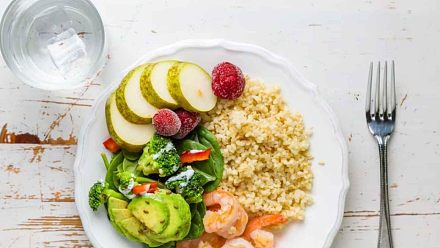
What Should a Balanced Plate Look Like?: A balanced plate should include different food groups in appropriate proportions. Dr Charu Dua recommends filling about half the plate with fruits and vegetables, one-quarter with protein sources such as dal and paneer, and the remaining portion with carbohydrates. (Image: File Photo/News18)
How Much Protein Should Be On Your Plate?
Protein is an important part of every main meal as it supports several functions in the body. As a simple guideline, around one-quarter of the plate can consist of protein-rich foods.
Good options include dal, beans, paneer, yoghurt, eggs, fish, chicken and other lean protein sources. However, Manjrekar points out that protein requirements are not the same for everyone and should be adjusted according to individual needs.
Make Half Your Plate Vegetables And Fibre-Rich Foods
Vegetables provide fibre, vitamins, minerals and antioxidants, making them an important part of everyday meals. Ideally, around half the plate can be made up of vegetables and other fibre-rich foods, including salads where appropriate.
Vegetables: The easiest way to increase fibre is often to increase the amount and variety of vegetables on your plate. Think bhindi, beans, peas, cauliflower, cabbage, carrots, spinach, lauki and gourds. Instead of making vegetables a small side dish, make them a substantial part of lunch or dinner.
Fibre also plays an important role in digestion and can help with feelings of fullness while supporting healthy blood sugar and cholesterol levels. Adding a vegetable preparation to lunch and dinner is therefore a simple way to improve the nutritional quality of a meal without dramatically changing what you eat.
Carbohydrates Are Important — But Choose Them Wisely
Carbohydrates are an important source of energy, but the quality of the carbohydrate matters. Instead of relying heavily on refined carbohydrates, Manjrekar recommends choosing whole-food sources more often.
Whole cereals, millets, oats and brown rice are examples of better-quality carbohydrate sources. Refined options such as white bread, sweets and other sugary foods, meanwhile, are best limited.
Carbohydrates as high-quality fuel for the body’s engine
The goal is not to eliminate carbohydrates but to make smarter choices about the types and portions included in everyday meals.
Watch Out For Hidden Sugar And Excess Salt
Sugar and salt can easily creep into the diet through foods that may not immediately seem unhealthy. Commercially sold breakfast cereals, biscuits, sweetened beverages, sauces, desserts and packaged snacks can contain added sugar.
Similarly, excess salt can come from chips, salted snacks, instant noodles, pickles, sauces and processed meat products.
One simple habit can help: read food labels. Checking the nutrition information and ingredient list can make it easier to identify products that contain unexpectedly high amounts of sugar or sodium.
Your Cooking Method Matters Too
What you do in the kitchen can influence the nutritional quality and calorie content of a meal. Manjrekar recommends methods such as steaming, boiling, pressure cooking and light frying as practical options.
Heavy frying can substantially increase the calorie content of food, while overcooking vegetables may reduce some of their vitamin content. Choosing gentler cooking methods where possible can therefore help retain nutrients while keeping meals lighter.
What Does A Balanced Plate Actually Look Like?
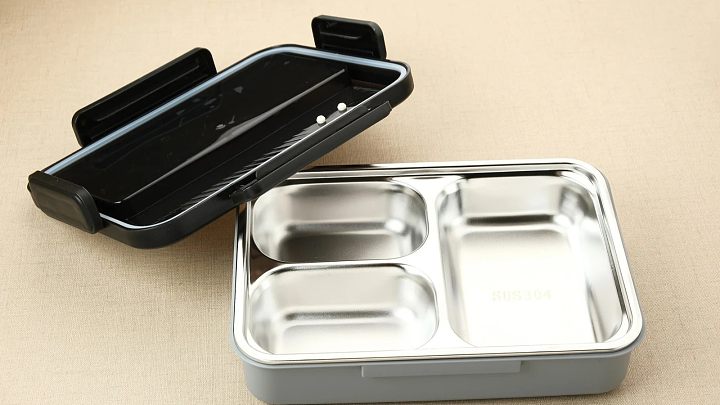
For a simple visual guide, think of your plate in three sections:
Half the plate: Vegetables and other fibre-rich foods
One-quarter: Protein such as dal, beans, paneer, eggs, fish or chicken
One-quarter: Whole grains or other good-quality carbohydrate sources
A small amount: Healthy fats according to individual requirements
Optional additions: Fruit or dairy, depending on individual nutritional needs
These proportions are not rigid rules. Nutritional requirements differ from person to person, so the balance may need to be adjusted based on age, activity, health conditions and other individual factors.