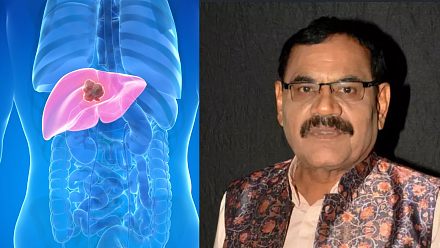
Mushtaq Khan Dies At 56 After Battle With Cancer: What Happens When Cancer Relapses In The Body?c
Veteran actor Mushtaq Khan, known for memorable roles in films such as Mujhse Shaadi Karogi, Welcome, Aashiqui and Gadar 2, passed away at the age of 56 following a reported relapse of cancer. According to his partner Sh
By Tanya Dutt··21K reads
Mushtaq Khan Dies At 56 After Battle With Cancer: What Happens When Cancer Relapses In The Body?c
Veteran actor Mushtaq Khan, known for memorable roles in films such as Mujhse Shaadi Karogi, Welcome, Aashiqui and Gadar 2, passed away at the age of 56 following a reported relapse of cancer. According to his partner Shivam, the actor had earlier been diagnosed, undergone treatment and shown signs of recovery. The disease returned in an advanced stage roughly eight days before his death. He had been receiving treatment at Mumbai’s Nanavati Hospital for about 15 days and died in the ICU.
Reports published after the actor’s death on September 24, 2026 have differed on the exact cancer involved. His business partner told Hindustan Times that Khan had previously been diagnosed with lung cancer, had recovered, and later suffered a relapse. Other reports, including India Today, described him as having died after battling liver cancer. Some reports also said the cancer had spread to the liver.
Against this backdrop, here is what doctors say about cancer, recurrence and why advanced disease can lead to a rapid deterioration in health.
Why Can Cancer Remain Unnoticed In The Early Stages?
Cancer can be difficult to detect early because symptoms may be absent or vague. Like in the case of liver cancer, Hepatocellular carcinoma (HCC), the most common form of primary liver cancer in adults, is frequently associated with underlying chronic liver disease, including hepatitis B or C infection and cirrhosis. Other recognised risk factors include heavy alcohol use and certain forms of fatty liver disease.
According to Dr. Nagesh Sirsat, MBBS, MD, DM, Senior Consultant Medical Oncologist, Ruby Hall Clinic, Pune, symptoms can become more apparent as the disease progresses, “Cancer of the liver is a serious condition that may not show any symptoms in the early stages, so it is important to be aware of it and seek medical attention at the right time.”
Possible warning signs include unexplained weight loss, reduced appetite, persistent fatigue, abdominal discomfort, swelling, jaundice and a feeling of fullness in the upper abdomen. The National Cancer Institute also lists easy bruising or bleeding, nausea, weakness and abdominal swelling among possible symptoms.
What Happens When Cancer Comes Back?
Cancer recurrence means that cancer has returned after a period when it could no longer be detected or after treatment. In liver cancer, recurrence can occur within the liver itself or, depending on the disease, involve other parts of the body.
Dr. Sirsat explains, “The situation can be much tougher if there is a relapse of cancer. If liver cancer comes back, it can grow back in a bigger area of the liver or in other organs.”
The location, size and extent of recurrence matter when doctors decide what treatment options remain possible. Depending on the individual case, treatment for recurrent liver cancer can include surgery, liver transplantation, ablation, radiation, transarterial treatments and systemic medicines.
Importantly, recurrence does not automatically mean that treatment is no longer possible. The available options depend on factors such as where the cancer has returned, how extensively it has spread, liver function and the person’s overall condition.
Why Can Liver Function Deteriorate Rapidly?
The liver performs several essential functions. It helps process substances in the blood, produces proteins involved in blood clotting and plays a central role in metabolism.
When advanced cancer substantially damages the liver, its ability to perform these functions can decline. Dr. Sirsat says this may result in jaundice, fluid accumulation, bleeding abnormalities, confusion and kidney dysfunction.
Jaundice, for instance, occurs when bilirubin accumulates in the body and can cause yellowing of the skin and eyes. Fluid can also collect in the abdomen, a condition known as ascites, while impaired production of clotting proteins can increase the risk of abnormal bleeding.
Confusion can be another serious sign of advanced liver dysfunction. As the liver becomes less capable of processing certain substances, changes in brain function can occur.
How Can One Organ Problem Affect The Rest Of The Body?
Advanced liver disease does not necessarily remain confined to the liver. As liver function worsens, complications involving other organs can develop.
Dr. Sirsat explains, “With a progressive liver dysfunction, complications involving more than one organ may develop and in severe cases can progress towards multi-organ failure resulting in a rapid worsening of the patient’s condition.”
Kidney dysfunction is one of the serious complications that can occur in advanced liver disease. Severe deterioration may therefore become a complex medical situation involving several organ systems rather than cancer affecting only one part of the body.
Can Cancer Recurrence Be Detected Early?
Follow-up after cancer treatment remains an important part of care. The exact monitoring plan depends on the type and stage of cancer, the treatment received and the individual’s risk of recurrence.
Dr. Sirsat stresses the importance of continuing medical follow-up after initial treatment and investigating new symptoms rather than dismissing them, “Follow-up treatment is important after the initial treatment, and it is important to investigate new symptoms promptly, as early detection of recurrence may offer additional treatment possibilities and allow physicians to more effectively manage complications before they get worse.”
The National Cancer Institute notes that recurrent primary liver cancer may still be treated with different approaches in selected patients, depending on the location and extent of recurrence and the condition of the liver.