Mumbai Heatwave Making You Dizzy And Nauseous? How To Stay Safe During Your Daily Commute
Mumbai has been under a heatwave warning for several consecutive days, with temperatures climbing well above the October normal. Santacruz recorded highs of 38°C and 38.2°C earlier this week — levels rarely seen in the c
By Tanya Dutt··13K reads
Mumbai Heatwave Making You Dizzy And Nauseous? How To Stay Safe During Your Daily Commute
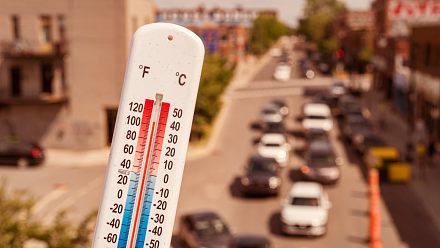
Mumbai has been under a heatwave warning for several consecutive days, with temperatures climbing well above the October normal. Santacruz recorded highs of 38°C and 38.2°C earlier this week — levels rarely seen in the city during this month.
The India Meteorological Department has kept the yellow alert in place, with hot and humid conditions expected to continue before possible relief later in the week.
For Mumbai’s commuters, the persistent heat is making everyday travel more challenging. From crowded local trains and long waits at traffic signals to walking between stations and offices, prolonged exposure to high temperatures and humidity can leave people feeling exhausted, dizzy or nauseous.
With the heatwave expected to persist, doctors are urging residents to recognise the early signs of heat-related illness and take precautions before dehydration and heat exhaustion become serious health concerns.
How Can High Temperatures And Humidity Affect Your Health?
Heat affects the body’s ability to regulate its internal temperature. Sweating helps release heat, but high humidity slows the evaporation of sweat, making the cooling process less efficient.
“ With temperatures and humidity levels rising in Mumbai, people who spend long hours outdoors, including daily commuters, traffic police, delivery personnel, construction workers and street vendors, are at a higher risk of dehydration and heat-related illnesses,” says Dr Divya Gopal, Additional Director, Internal Medicine, Sir HN Reliance Foundation Hospital, Mumbai.
Prolonged exposure can cause excessive sweating, headaches, dizziness, nausea, muscle cramps and unusual fatigue. Losing water and salts through sweating can also contribute to dehydration. Older adults, people with existing health conditions and those taking certain medications may be particularly vulnerable.
When Does Heat Exhaustion Become A Medical Emergency?
Early symptoms should not be dismissed as ordinary tiredness, especially after a long commute or hours spent working outdoors.
“If ignored, heat exhaustion can progress to heatstroke, a serious medical emergency that may cause confusion, seizures or even loss of consciousness,” Dr Gopal warns.
Heatstroke requires immediate medical attention. Warning signs can include altered mental status, confusion, collapse or loss of consciousness after heat exposure. If you suspect heatstroke, call emergency services, move the person to a cooler place and begin rapid cooling while help is on the way. Do not give fluids to someone who is confused or unconscious.
How Can You Protect Yourself During Mumbai’s Heatwave?
A few practical precautions can reduce the risk of heat-related illness, particularly when avoiding outdoor exposure is not possible.
“Drink water regularly throughout the day, even if you do not feel thirsty,” advises Dr Gopal. She recommends taking frequent breaks in shaded or cool areas, wearing light and loose-fitting clothing, carrying an umbrella or wearing a hat, and using sunscreen to protect against direct sunlight.
She recommends the following precautions to help people cope with Mumbai’s heatwave:
Stay hydrated: Drink water regularly throughout the day, even if you do not feel thirsty.
Take breaks: Rest frequently in shaded or cool areas, especially during long commutes or outdoor work.
Dress for the heat: Wear light, loose-fitting clothing and carry an umbrella or wear a hat for protection from direct sunlight.
Use sunscreen: Apply sunscreen to protect exposed skin from direct sunlight.
Plan outdoor activities: Whenever possible, schedule errands and physical activity for cooler hours and avoid strenuous work during the hottest part of the day.
Recognise early symptoms: Take a break as soon as you begin feeling dizzy, nauseous or unusually tired instead of waiting for symptoms to worsen.
People managing chronic health conditions should seek medical advice about additional precautions they may need, particularly if they take medicines that can affect hydration or the body’s ability to regulate temperature.
What Should You Do If Someone Shows Signs Of Heat Stress?
Do not wait for symptoms to worsen. Move the person away from direct sunlight, help them cool down and seek medical advice if symptoms persist or worsen. If they develop confusion, collapse or lose consciousness, seek emergency medical help immediately and begin rapid cooling while waiting for assistance.
As Mumbai continues to experience unusually hot and humid conditions, heat safety needs to become part of everyday planning. Staying hydrated, taking breaks and recognising warning signs early can help protect residents, particularly those who commute long distances or work outdoors for extended periods.