Lifestyle
Menstrual Hygiene In The Monsoon: 9 Mistakes That Increases Your Risk Of Infection
The monsoon season offers welcome relief from the summer heat, but it also brings increased humidity, sweating, and dampness, conditions that can make menstrual hygiene more challenging. While menstruation itself does no
23K reads
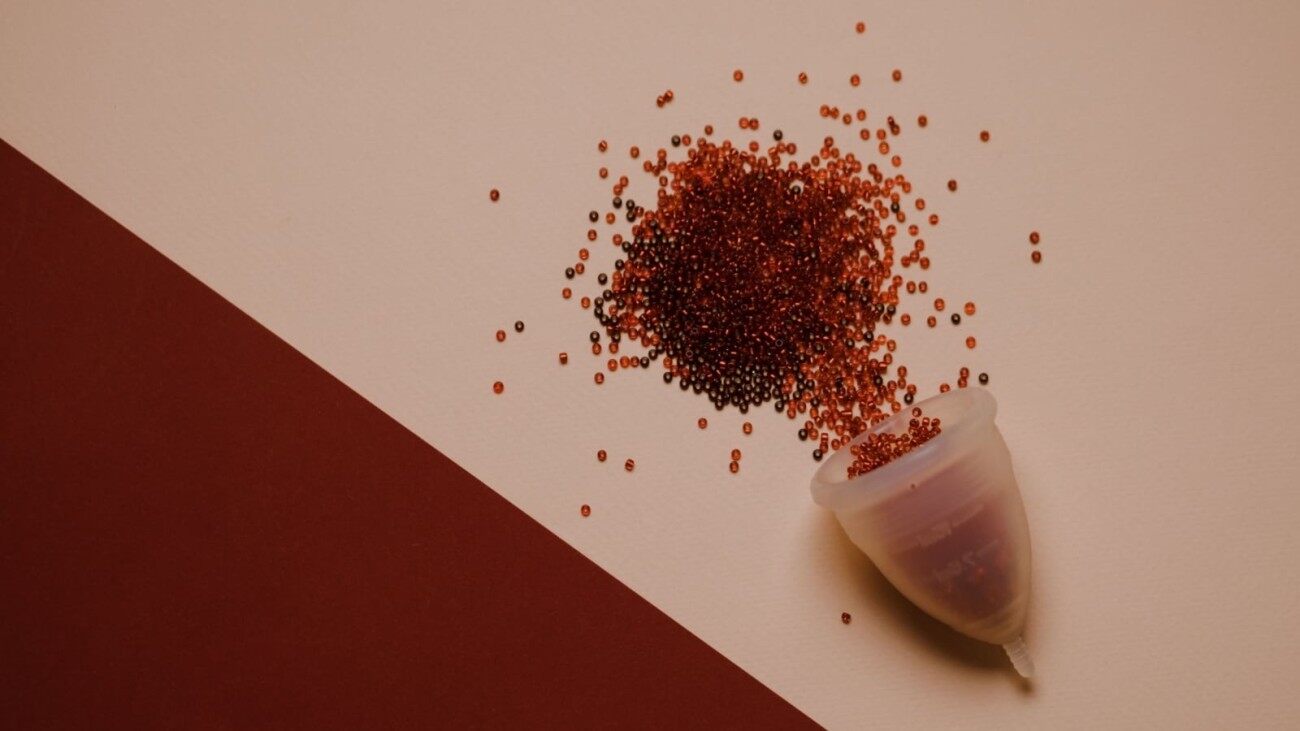
The monsoon season offers welcome relief from the summer heat, but it also brings increased humidity, sweating, and dampness, conditions that can make menstrual hygiene more challenging. While menstruation itself does not increase the risk of infections, poor hygiene practices during this time can lead to skin irritation, rashes, unpleasant odour, and, in some cases, vaginal infections.
Simple changes to your menstrual hygiene routine can help you stay comfortable and healthy throughout the rainy season. We spoke to Dr Meenu Rai, MBBS, DGO, DNB, Consultant Obstetrician & Gynaecologist at Plush, who shares 9 of the most common mistakes women unknowingly make during the monsoon, and what experts recommend instead.
Wearing the Same Pad for Too Long
One of the most common mistakes is using the same sanitary pad for extended periods, especially on lighter-flow days. Warm and moist conditions encourage bacterial growth, increasing the likelihood of skin irritation, itching, and unpleasant odour.
What you should do:
Change your sanitary pad every 4–6 hours, or sooner if it becomes soaked. Regular changes help maintain hygiene and reduce prolonged moisture exposure.
Wearing Damp or Non-Breathable Underwear
Synthetic fabrics can trap heat and moisture, making the intimate area uncomfortable during humid weather. Similarly, remaining in damp underwear after sweating or getting caught in the rain may contribute to irritation.
What you should do:
Wear clean, breathable cotton underwear and change it immediately if it becomes damp
Staying in Wet Clothes After Getting Caught in the Rain
Long commutes and unexpected rain often mean staying in wet clothes for extended periods. This creates a damp environment around the intimate area, increasing discomfort and the possibility of irritation.
What you should do:
Change into dry clothes as soon as possible after getting drenched.
Overwashing or Using Scented Intimate Products
Many women assume that perfumed intimate washes, deodorants, or antiseptic products improve hygiene. However, these products can disturb the vagina’s natural pH balance and healthy bacterial flora, leading to irritation.
What you should do:
Wash only the external genital area with clean water. If required, opt for a mild, fragrance-free cleanser. Avoid douching and heavily scented intimate products.
Not Washing Your Hands Before and After Changing Menstrual Products
Hands can transfer bacteria while changing pads, tampons, or menstrual cups, increasing the risk of contamination.
What you should do:
Wash your hands thoroughly with soap and water before and after every menstrual product change.
Delaying Product Changes Because the Flow Is Light
Many women wait until a sanitary pad feels completely full before changing it. Even during lighter flow days, prolonged use can result in discomfort, odour, and skin irritation.
What you should do:
Follow a regular changing schedule instead of waiting for the product to become saturated.
Improper Disposal of Used Menstrual Products
Incorrect disposal of sanitary products compromises hygiene and creates environmental concerns.
What you should do:
Wrap used sanitary products securely before disposing of them in a covered dustbin. Avoid flushing pads down the toilet.
Ignoring Persistent Itching, Foul-Smelling Discharge, or Pain
Many women dismiss symptoms such as itching, unusual discharge, or discomfort as a normal part of menstruation. However, these may indicate an infection that requires medical attention.
What you should do:
Consult a gynaecologist if you experience persistent itching, curdy or foul-smelling discharge, fever, severe pelvic pain, recurrent infections, or unusually heavy bleeding.
Choosing Menstrual Products Without Considering Comfort and Absorbency
Using products that are uncomfortable, poorly fitting, or unsuitable for your menstrual flow may lead to leakage, skin irritation, and reduced confidence.
What you should do:
Choose menstrual products based on your flow, activity level, and personal comfort. Soft, breathable, and high-quality products can make a significant difference, particularly during humid weather.
Share
Tags