Karwa Chauth 2026: Can Unmarried Women Keep The Fast?
Karwa Chauth Fasting For Unmarried Girls: As preparations begin for Karwa Chauth 2026, a common question among young women is whether those who are unmarried can observe the traditional fast. While the festival is primar
By Nibandh Vinod··13K reads
Karwa Chauth 2026: Can Unmarried Women Keep The Fast?
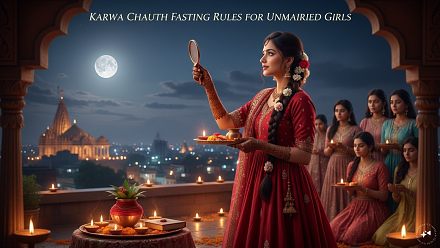
Karwa Chauth Fasting For Unmarried Girls: As preparations begin for Karwa Chauth 2026, a common question among young women is whether those who are unmarried can observe the traditional fast. While the festival is primarily associated with married Hindu women praying for their husbands’ long life and well-being, some unmarried women also choose to observe the vrat as a personal expression of faith, with prayers for a suitable life partner or a happy future marriage.
Karwa Chauth will be celebrated on Thursday, October 29, 2026. The festival is traditionally marked by fasting, evening prayers and rituals associated with the Moon. However, the observance among unmarried women can differ from the practices followed by married women, depending on family customs, regional traditions and personal beliefs.
So, can unmarried women keep the Karwa Chauth fast? What rituals do they follow, and do they need to observe Sargi or wait for moonrise? Here is what to know.
Read More: Karwa Chauth 2026 Date, Muhurat, Rituals And Significance Every Wife Must Know
Can Unmarried Women Keep the Karwa Chauth Fast?
Yes, some unmarried women observe Karwa Chauth to pray for a loving and compatible life partner or seek blessings for a future marriage. Women who are engaged may also choose to observe the fast while praying for their fiancé’s well-being and a happy married life.
However, the practice is voluntary and is not followed by all unmarried women. Karwa Chauth is traditionally associated with married women praying for their husbands’ longevity and well-being, while unmarried women’s reasons for observing it may differ.
There is no single set of fasting rules followed by every unmarried woman. The rituals may depend on family traditions, community practices and individual beliefs.
Why Do Unmarried Women Observe Karwa Chauth?
Unmarried women who choose to observe the festival may do so for different reasons.
Prayers for a Suitable Life Partner
Some unmarried women observe the fast with the hope of finding a loving, compatible and supportive life partner. Their prayers may focus on a happy future marriage and a fulfilling relationship.
Blessings for an Engaged Partner
Women who are engaged may choose to participate in Karwa Chauth as part of their family’s traditions. In such cases, the fast may be observed with prayers for the well-being of their fiancé and a harmonious married life.
Faith and Family Traditions
For some women, observing Karwa Chauth is a personal spiritual choice or a custom followed by other women in their family. Participation may also be influenced by regional traditions and the practices of their community.
The significance of the festival can therefore vary, and unmarried women may choose to participate in ways that reflect their own beliefs.
Read More: Karwa Chauth 2026 Puja Samagri List: Check All Essential Items Required For Vrat
Karwa Chauth 2026: How Do Traditions Differ for Unmarried Women?
Although some unmarried women follow rituals similar to those observed by married women, others adapt the practices according to family customs. The following are examples of traditions followed in some households, rather than universal rules.
Sargi May Not Be Required
Sargi is the traditional pre-dawn meal commonly prepared or gifted by a mother-in-law to her daughter-in-law before the Karwa Chauth fast begins.
Since unmarried women do not generally have a mother-in-law, the customary Sargi exchange may not apply to them. Some may nevertheless eat a pre-dawn meal or follow a similar routine if it is part of their family’s practice.
Read More: Karwa Chauth 2026: Why Do Women Look At The Moon Through A Sieve? Significance Of Karwa Pot And Moon Ritual
There is no single Sargi arrangement followed by all unmarried women, and customs differ across households.
Some Women Break the Fast After Star Sighting
In some traditions followed by unmarried women, the fast may be completed after sighting stars in the evening rather than waiting for the Moon.
Some may look towards Dhruva Tara, also known as the Pole Star, as part of their observance. Others may follow the same moon-sighting ritual as married women.
The choice of celestial object and the procedure for completing the fast depend on the tradition being followed. Star sighting should not be treated as a universal requirement for unmarried women.
The Sieve Ritual May Differ
The chhalni, or sieve, is commonly associated with the Karwa Chauth moon-sighting ritual. In many households, married women look at the Moon and then at their husbands through the sieve before breaking the fast.
Some unmarried women may not follow this particular ritual, while others may choose to use a sieve or observe the customary moon-sighting ceremony according to family practice.
Read More: Karwa Chauth 2026 Sargi Time: What To Eat Before Sunrise And What To Include In The Thali
The use of a sieve is therefore a matter of tradition rather than a rule that applies identically to every unmarried woman.
Puja May Focus on Shiva and Parvati
Lord Shiva and Goddess Parvati are central to many Karwa Chauth worship traditions. Unmarried women who observe the festival may pray to them for blessings related to a suitable partner, marital happiness and a harmonious future.
Some households also include Lord Ganesha and other deities in their worship. The precise sequence of prayers and offerings may vary according to the family’s customs.
Baya Is Not Universally Observed by Unmarried Women
Baya is a customary gift associated with Karwa Chauth in some communities and is often linked to exchanges between married women and their families.
Unmarried women may not participate in the same gift-giving tradition, although individual families may have their own arrangements. Whether gifts are exchanged depends on regional and household practices.
Read More: Karwa Chauth 2026 Puja Vidhi: Step-By-Step Rituals From Sargi To Moon Sighting
Karwa Chauth 2026: What Should Unmarried Women Keep in Mind?
Women who wish to observe Karwa Chauth can first understand the traditions followed in their families or communities. Since there is no single practice followed by all unmarried women, it is helpful to clarify the intended fasting routine and evening rituals beforehand.
Those choosing to fast should also consider their health and personal circumstances. A strict nirjala fast involves abstaining from both food and water, and prolonged fasting without fluids may not be suitable for everyone.
Observing a festival should not require anyone to compromise their health or feel pressured to participate.