Karnataka Launches 'Ruthu Taare' For Women 35+: What The Menopause Health Programme Offers
Imagine dealing with sudden hot flashes in the middle of a workday, struggling through nights of interrupted sleep or finding your mood and energy changing without quite understanding why. For many women approaching meno
By Lifestyle Desk··17K reads
Karnataka Launches 'Ruthu Taare' For Women 35+: What The Menopause Health Programme Offers
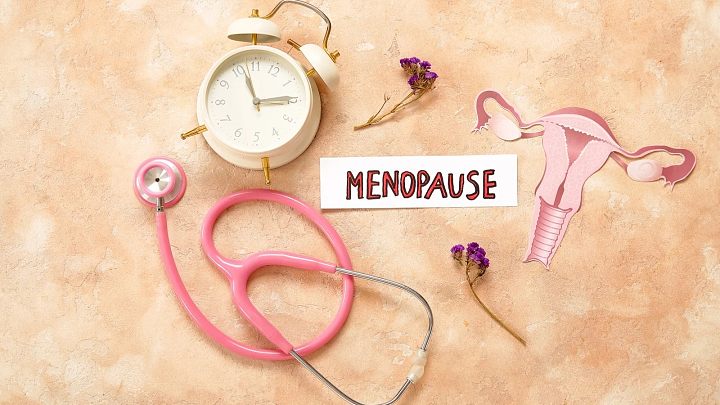
Imagine dealing with sudden hot flashes in the middle of a workday, struggling through nights of interrupted sleep or finding your mood and energy changing without quite understanding why. For many women approaching menopause, these aren’t isolated inconveniences but everyday experiences of a significant life transition. Yet, the conversation around menopause remains limited, and access to specialised care is often overlooked.
Karnataka is now looking to change that with ‘Ruthu Taare’, a three-month pilot programme for women aged 35 and above. Initially being implemented in Dakshina Kannada, the initiative will focus on perimenopause, menopause and post-menopause through dedicated healthcare clinics, preventive screenings, mental health support and nutrition counselling.
Actress and former MP Divya Spandana, popularly known as Ramya, has been named the programme’s brand ambassador to raise awareness. Here’s what women should know about the initiative.
What Does Karnataka’s ‘Ruthu Taare’ Programme Offer Women?
1. Dedicated Menopause And Mid-Life Health Clinics
One of the key features of the programme is the introduction of dedicated clinic sessions for women experiencing menopause-related concerns. These clinics will operate through existing public healthcare facilities, including primary health centres (PHCs), Ayushman Arogya Mandirs, taluka hospitals, district hospitals and designated medical colleges.
Clinic sessions are planned for Wednesdays at PHCs and government hospitals, while medical colleges will conduct sessions on Saturdays, subject to staff availability and operational feasibility. Women will be able to seek medical guidance for symptoms and health concerns associated with perimenopause, menopause and post-menopause.
2. Screening For Diabetes, Hypertension And Cancer
The programme will go beyond menopause-related symptoms to address other health concerns that can emerge during mid-life. Women will be screened for hypertension, diabetes, obesity and other cardiometabolic risk factors through existing non-communicable disease services.
The initiative will also facilitate breast and cervical cancer screening in accordance with existing state protocols. The aim is to encourage preventive healthcare, identify potential health concerns early and connect women with appropriate medical services when required.
3. Mental Health Support And Referral Services
Menopause can bring emotional and psychological changes alongside physical symptoms. Anxiety, mood fluctuations, sleep disturbances and changes in emotional wellbeing can affect a woman’s everyday life, relationships and work.
Ruthu Taare will introduce mechanisms to identify and assess women experiencing mental health concerns. A green-yellow-red risk classification system will help determine the level of support and medical referral required. Women will also be connected to existing mental health services, including the state’s Gruha Arogya initiative.
4. Nutrition Counselling And Bone Health Guidance
Nutrition is another important component of the programme. The Health Department’s Nutrition Division will prepare standardised counselling for mid-life women, focusing on balanced diets, adequate protein and calcium intake, bone health, osteoporosis prevention and healthy weight management.
As hormonal changes during menopause can affect bone density and metabolic health, access to appropriate nutritional guidance can help women make informed decisions about their long-term wellbeing.
5. Training For ASHA Workers And Healthcare Staff
The programme will involve Accredited Social Health Activists (ASHAs), ASHA mentors, community health officers, medical officers, nursing personnel and other healthcare providers. They will receive training and orientation to identify women’s health concerns, conduct screenings and facilitate referrals.
The government will also prepare standardised screening checklists, clinical assessment formats and referral protocols to ensure that women receive consistent support across participating healthcare facilities.
6. Awareness Campaigns And A Mid-Life Health Card
Ruthu Taare will also focus on improving awareness about menopause, physical activity, nutrition, bone health and mental wellbeing. The government plans to develop information materials in Kannada to help women better understand the physical and emotional changes associated with this phase of life.
A Mid-Life Health Card will help document relevant health information, screenings, clinical assessments, referrals and follow-ups. The government will also explore the feasibility of introducing a phased digital registry to monitor the programme.
7. Three-Month Pilot Before Statewide Expansion
The programme will initially operate as a three-month pilot in Dakshina Kannada district, using existing public healthcare infrastructure and available medical personnel.
After the pilot, the government will evaluate its performance based on screening coverage, completion of referrals, availability of services, resource requirements and implementation challenges. The findings will help determine how the initiative can be refined and gradually expanded across Karnataka. Health Minister UT Khader has said the government will work towards taking the programme to other parts of the state.