Lifestyle
India’s National Symbols: Why The Ashoka Chakra, Tiger, Peacock, Lotus & National Anthem Were Chosen
Almost 80 years ago, India got her independance from British rule in 1947. We will soon be celebrating the 79th Independence Day in the country on 15th August this year. This freedom that we enjoy, without being under th
23K reads
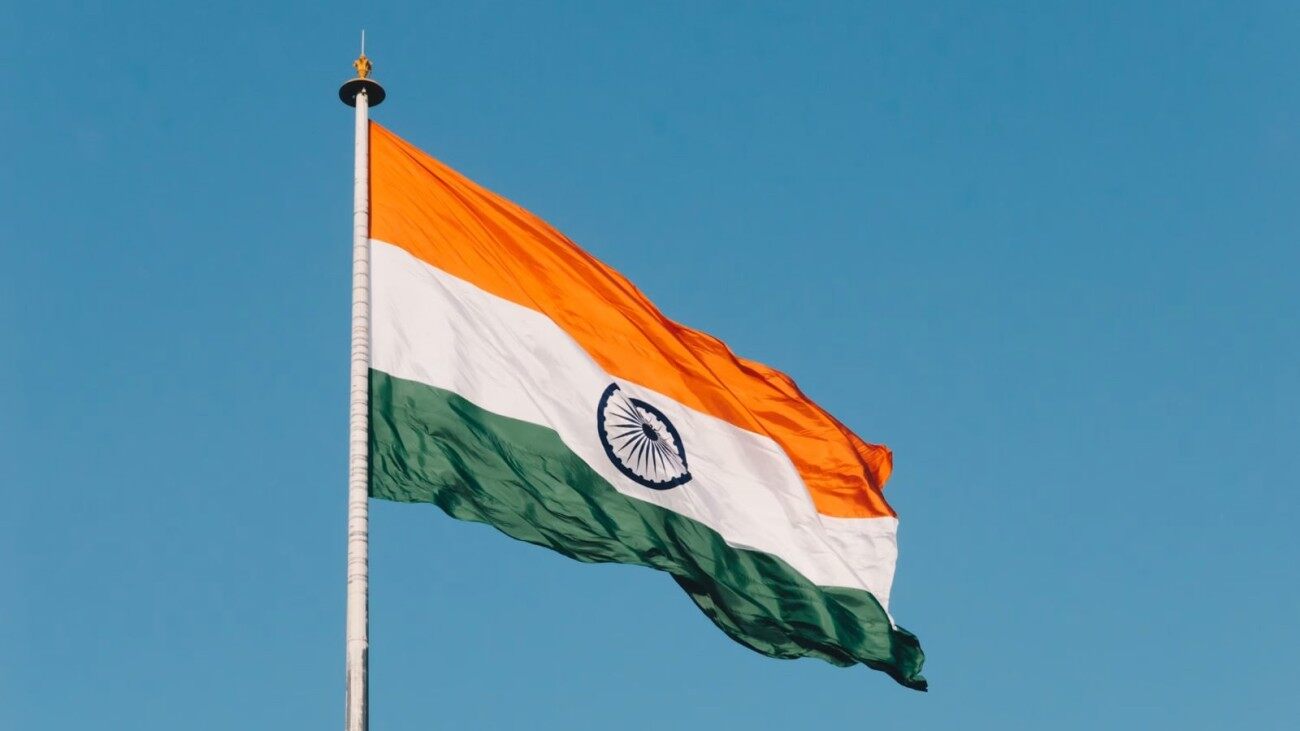
Almost 80 years ago, India got her independance from British rule in 1947. We will soon be celebrating the 79th Independence Day in the country on 15th August this year. This freedom that we enjoy, without being under the thumb of the British royalty, has to be attributed to the sacrifice and martyrdom of our freedom fighters.
As India will soon be celebrating Independence Day this week, the national symbols of our country is something we should be incredibly proud of. From the Ashoka Chakra on the Indian national flag to the Bengal tiger, Indian peacock, lotus and even our national anthem, there is deep meaning and symbolism behind these objects (and song) representing our collective history and future. They represent different aspects of the country’s history, culture, heritage and identity. But have you ever wondered why these were chosen as India’s national symbols and what they actually represent? Here is a closer look at the significance of India’s national symbols and the stories behind them.
Ashoka Chakra: A Symbol Of Dharma And ProgressThe Ashoka Chakra is the navy-blue wheel at the centre of India’s national flag. It has 24 spokes and is based on the Dharma Chakra associated with Emperor Ashoka and the Buddhist tradition. The wheel represents dharma, righteousness and the continuous movement of life. Its presence on the national flag also conveys the idea that India must keep moving forward rather than remain static. The Ashoka Chakra replaced the spinning wheel, or charkha, that had appeared in earlier versions of the flag. Its 24 spokes are often interpreted in connection with principles of righteous living and ethical conduct.
Bengal Tiger: The National Animal Of India The Bengal tiger was declared India’s national animal in 1973, around the time Project Tiger was launched. The choice reflects the animal’s importance to India’s natural heritage as well as its strength and majesty. The tiger has long occupied an important place in Indian culture, mythology and art. As a national symbol, it also draws attention to the importance of wildlife conservation in India.
Indian Peacock: A Bird That Represents Beauty And Grace The Indian peacock was declared India’s national bird in 1963. Its striking appearance and longstanding cultural significance made it a natural choice. Peacocks feature prominently in Indian art, folklore, poetry and mythology. The bird is also closely associated with beauty, grace and colour. Beyond its appearance, the Indian peacock is native to the subcontinent and has been part of India’s cultural landscape for centuries, making it an apt representation of the country’s rich biodiversity.
Lotus: India’s National FlowerThe lotus is India’s national flower and carries deep cultural and spiritual significance. The flower has featured in Indian art, architecture, literature and religious traditions for centuries. One reason the lotus is particularly symbolic is its ability to grow in muddy water while producing a beautiful flower above the surface. This has traditionally been associated with purity, resilience and spiritual growth. The lotus is also deeply rooted in Indian traditions and appears in representations of several Hindu and Buddhist deities.
Jana Gana Mana: India’s National AnthemNo list of Indian national symbols would be complete without Jana Gana Mana, India’s national anthem. Written by Rabindranath Tagore, the anthem was adopted by the Constituent Assembly on January 24, 1950, shortly before India became a republic. The anthem celebrates India’s geographical and cultural diversity, referring to different regions of the country while placing the idea of India at its centre.
Share
Tags