Lifestyle
Hibiscus Not Blooming? Your Plant Could Be Missing This Simple Gardening Secret
If your hibiscus plant is healthy but not flowering well, a few simple gardening practices can make a big difference. From proper sunlight to natural fertilizers, these easy tips can help your plant produce more vibrant
26K reads
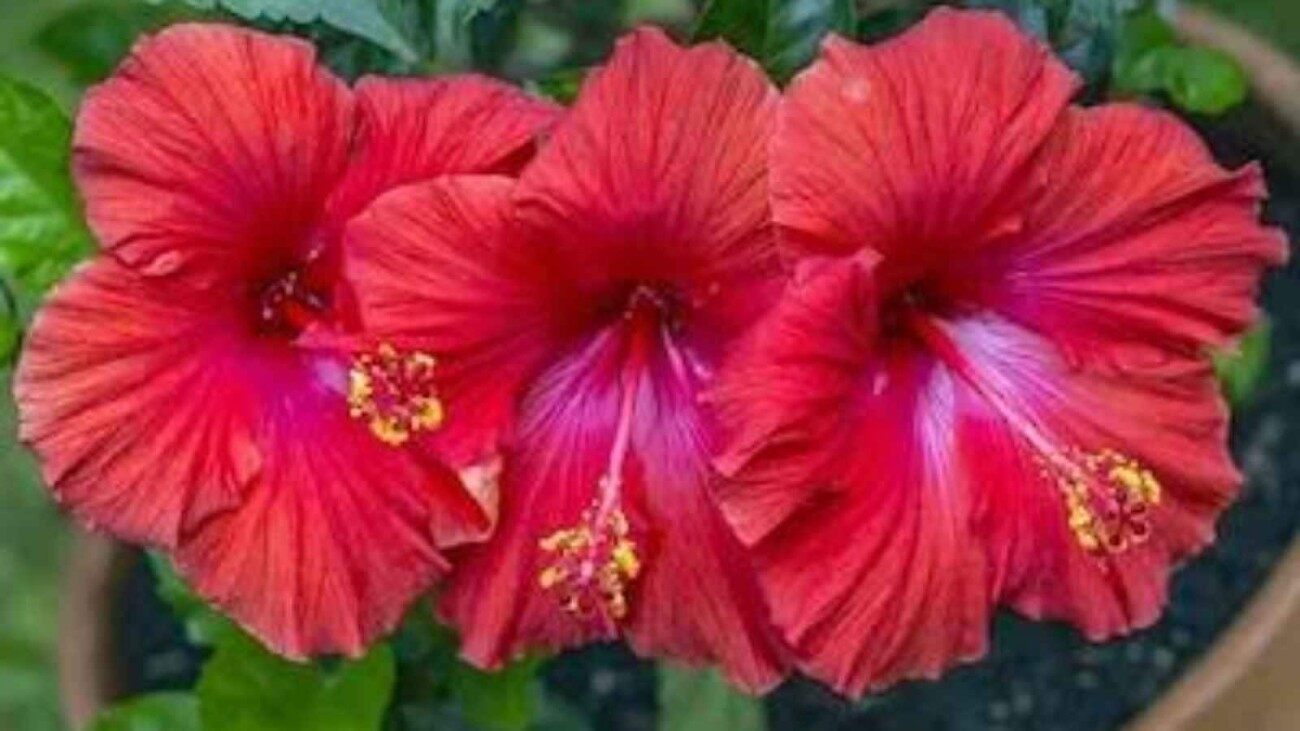
If your hibiscus plant is healthy but not flowering well, a few simple gardening practices can make a big difference. From proper sunlight to natural fertilizers, these easy tips can help your plant produce more vibrant blooms.
Place the Plant in Direct Sunlight: Hibiscus plants need 6–8 hours of direct sunlight every day for healthy flowering. A sunny location helps the plant produce more buds, while too much shade often results in lush leaves but very few flowers. (Image: Canva)
Water Only When Needed: Keep the soil consistently moist, but avoid overwatering. Water the plant only when the top layer of soil begins to dry. Well-drained soil is essential because excess moisture can damage the roots and reduce flowering. (Image: Canva)
Add Organic Compost Regularly: Feed your hibiscus with organic compost, vermicompost, or well-decomposed manure every few weeks. These natural fertilizers improve soil fertility and provide nutrients that support healthy growth and encourage the development of more flower buds. (Image: Canva)
Use Banana Peel as a Natural Fertilizer: Banana peels are a natural source of potassium, which plays an important role in flowering. Dry and crush the peels or compost them before mixing them into the soil to give your hibiscus an extra nutrient boost. (Image: Photo File)
Prune the Plant at the Right Time: Remove dry, damaged, or old branches through light pruning. Hibiscus flowers grow on fresh shoots, so regular pruning encourages new growth and increases the chances of producing more flowers during the blooming season. (Image: File Photo)
Remove Dry Flowers and Watch for Pests: Pluck faded flowers regularly so the plant can focus on producing new buds. Also inspect the leaves for pests like aphids and mealybugs, and treat them with natural solutions such as neem oil if required. (Image: Canva)
Remove Dry Flowers and Watch for Pests: Pluck faded flowers regularly so the plant can focus on producing new buds. Also inspect the leaves for pests like aphids and mealybugs, and treat them with natural solutions such as neem oil if required. (Image: Canva)
Avoid Excess Nitrogen Fertilizer: Too much nitrogen encourages leafy growth instead of flowers. Choose a balanced plant food or one richer in phosphorus and potassium to support blooming while maintaining healthy foliage and strong stems. (Image: File Photo)
Consistent Care Is the Secret to More Blooms: Healthy flowering depends on regular watering, enough sunlight, timely pruning, and proper nutrition. With consistent care and a little patience, your hibiscus plant can reward you with colourful flowers throughout the blooming season. (Image: Canva)
Disclaimer: The information shared in this article is based on commonly followed gardening practices and general beliefs. Results may vary depending on the plant variety, climate, and growing conditions. (Image: Canva)
Share
Tags