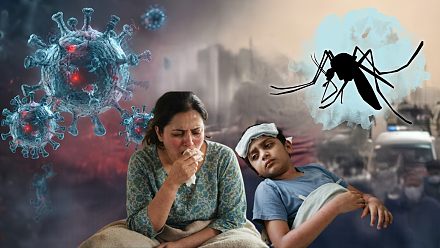
H1N1 Found In 75% Of Positive Flu Tests, Dengue Hits 15,000+ Cases: What India Needs To Watch
India is seeing two different infection concerns unfold at the same time. Dengue continues to place a heavy burden on southern states, while influenza surveillance shows H1N1 dominating positive flu samples in the countr
By Tanya Dutt··27K reads
H1N1 Found In 75% Of Positive Flu Tests, Dengue Hits 15,000+ Cases: What India Needs To Watch
India is seeing two different infection concerns unfold at the same time. Dengue continues to place a heavy burden on southern states, while influenza surveillance shows H1N1 dominating positive flu samples in the country.
With monsoon-related illnesses still circulating and respiratory infections picking up, health experts are urging people to pay closer attention to fever rather than assuming every episode is just seasonal flu.
The twin findings underline the need for sustained prevention measures as the monsoon season extends into cooler months.
Dengue Cases In India
Between January and June 2026, India recorded 23,952 dengue cases and 31 deaths, according to data tabled in the Rajya Sabha. Five southern states- Tamil Nadu, Kerala, Karnataka, Andhra Pradesh and Telangana, together accounted for 15,137 cases, or 63.2 per cent of the national total.
Tamil Nadu reported the highest number of infections at 7,511 cases and three deaths. Kerala followed with 4,458 cases but recorded 19 deaths — more than 60 per cent of all dengue fatalities reported in the country during the period. Karnataka, Andhra Pradesh and Telangana together logged over 3,100 cases with no reported deaths in the same window.
In Chennai alone, more than 4,500 dengue cases have been recorded this year. Civic authorities have stepped up testing of all fever cases, deployed thousands of mosquito-control workers and intensified larvicidal spraying and drain-cleaning operations.
Image: AFP
An ICMR-led molecular surveillance study found that the DENV-2 serotype predominates across southern states, with increasing co-circulation of multiple serotypes in several regions.
Influenza Cases In India
WHO surveillance covering 1–14 September 2026 found that A(H1N1)pdm09 accounted for 75 per cent of influenza-positive samples in India, well above the 50 per cent regional average for South-East Asia.
Kerala has reported a sharp rise in influenza activity, with 11,319 cases and 120 deaths recorded till early October 2026. The state has also recorded 120 influenza-associated deaths so far this year, almost three times the 43 deaths reported during the whole of 2025.
Health experts in the state have linked the increase to prolonged humidity, rain and social gatherings, alongside higher testing rates. Older adults and people with chronic conditions remain the most vulnerable.
Image: AFP
The latest WHO surveillance data does not mean that 75% of all people with fever in India have H1N1. It means that among influenza-positive samples covered by the surveillance system, 75% were identified as A(H1N1)pdm09.
Older adults, young children, pregnant women and people living with underlying health conditions are at greater risk of complications from influenza. Doctors have advised vaccination, respiratory hygiene and appropriate testing and treatment, particularly for people at higher risk.
What Are Causes of Rise In Double Infection In India?
Dengue, transmitted by infected Aedes mosquitoes, can breed in relatively small collections of stagnant water around homes, buildings and neighbourhoods. Intermittent rainfall can create additional breeding sites if water accumulates in containers, discarded items, plant pots, rooftops or other areas.
That makes prevention a household-level responsibility as well as a civic health issue. Water storage containers should be kept covered, stagnant water should be emptied regularly and areas around homes should be checked after rainfall. Mosquito repellents, suitable clothing and screens or nets can also reduce exposure.
Image: AFP
Influenza, particularly H1N1, spreads through respiratory droplets and can progress rapidly in high-risk groups. Doctors cited a combination of rain, humidity and crowded social gatherings during Onam, along with increased testing, as possible contributors to the rise in reported infections. They also stressed that the increase is not confined to Kerala, with other parts of India reporting influenza activity as well.
How to Stay Protected?
The symptoms of different infections can overlap, which makes self-diagnosis risky. Fever, body ache and fatigue can occur with influenza as well as dengue, while some people may initially have relatively non-specific symptoms.
For dengue, the most effective household measures remain the elimination of breeding sites:
Emptying and scrubbing water containers weekly
Covering overhead tanks
Clearing blocked drains and gutters
Using larvicide where water cannot be removed
Window screens, mosquito nets and repellents provide additional personal protection, especially during daytime hours when Aedes mosquitoes are active.
For influenza, annual vaccination remains the primary preventive tool, particularly for adults over 60, pregnant women, young children and people with diabetes, heart disease, asthma or other chronic conditions. Simple respiratory hygiene includes:
Covering mouth while coughing
Frequent handwashing
Staying home when feverish — limits community spread.
Early medical consultation allows timely antiviral treatment for those at higher risk.
People at higher risk of flu complications should discuss annual influenza vaccination with their doctor. Kerala doctors have also highlighted vaccination among older adults and people with conditions such as diabetes, cancer, kidney or liver disease.
Most importantly, persistent or high fever should not automatically be labelled as flu. Seek medical advice when symptoms are severe, prolonged or worsening, particularly if there is breathing difficulty, unusual bleeding, severe abdominal pain, persistent vomiting, confusion, extreme weakness or dehydration.