Lifestyle
GK: Before He Became King Of Lanka, Ravan Had A Brother Who Ruled It First
The recently released trailer of Nitesh Tiwari’s Ramayana, starring Ranbir Kapoor as Lord Ram and Yash as Ravan, has once again put the epic and its lesser-known stories back in the spotlight. While the film promises to
19K reads
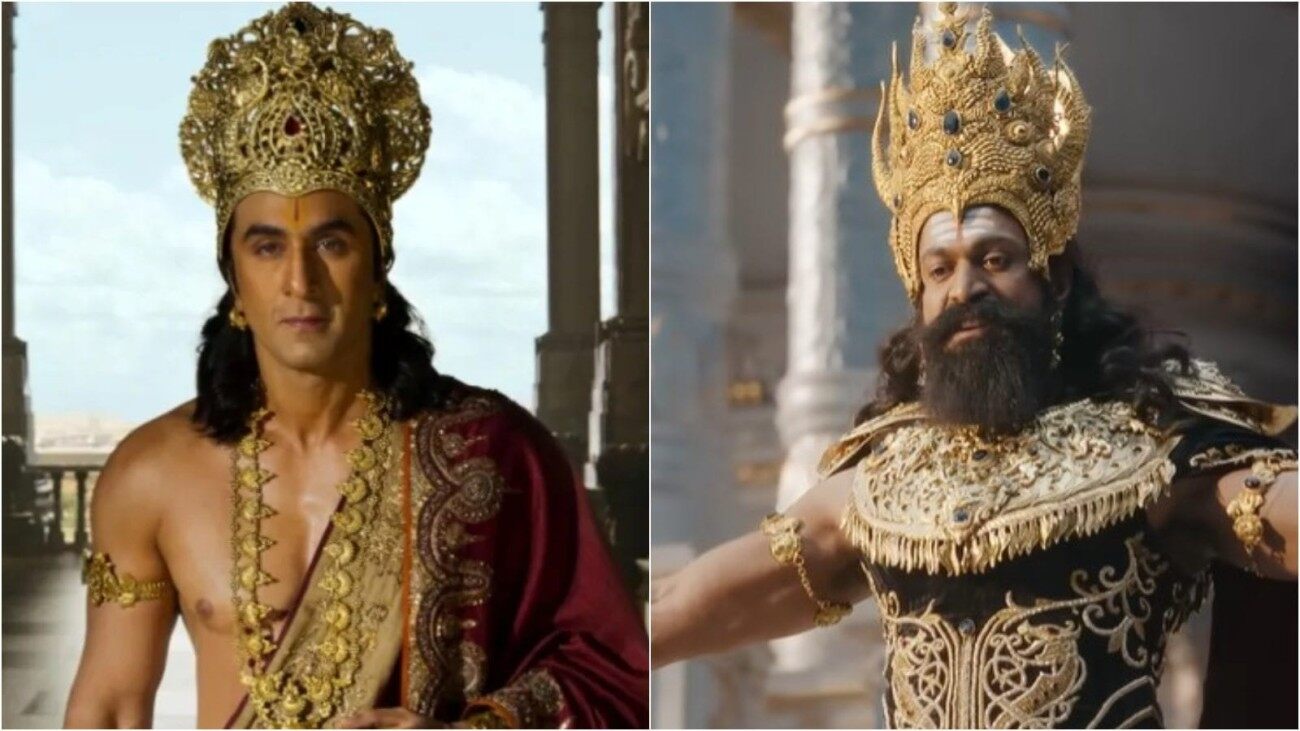
The recently released trailer of Nitesh Tiwari’s Ramayana, starring Ranbir Kapoor as Lord Ram and Yash as Ravan, has once again put the epic and its lesser-known stories back in the spotlight. While the film promises to bring the battle between Ram and Ravan to life on the big screen, many mythology enthusiasts have been revisiting fascinating tales from the Ramayana—including the surprising fact that Ravan was not the first king of Lanka.
According to the Ramayana and later Puranic texts, the golden city of Lanka was originally ruled by Kuber, the Hindu god of wealth. Even more remarkably, Kuber was Ravan’s elder half-brother. Both were sons of the sage Vishrava, but were born to different mothers. Kuber was born to Ilavida, while Ravan, Kumbhakarna, Vibhishana and Shurpanakha were born to Kaikesi, the daughter of the rakshasa king Sumali.
Kuber earned the favour of Lord Brahma through intense penance and was blessed with immense wealth, the celestial Pushpaka Vimaan, and the magnificent golden city of Lanka, believed to have been built by the divine architect Vishwakarma. As the lord of wealth and king of the Yakshas, Kubera ruled the prosperous island kingdom long before Ravan rose to power.
Ravan, meanwhile, became one of the most formidable beings in Hindu mythology after performing severe penance and receiving powerful boons from Lord Brahma. A brilliant scholar, musician and devotee of Lord Shiva, he was also known for his immense ambition. As his power grew, so did his desire to possess Lanka and everything that symbolised Kuber’s greatness.
The Ramayana narrates that Ravan eventually challenged Kuber in battle and defeated him, forcing his half-brother to leave Lanka. Ravana then seized the golden kingdom and took possession of the Pushpaka Vimana, the legendary flying chariot that would later carry Lord Rama, Sita and Lakshmana back to Ayodhya after Ravana’s defeat.
Although Kuber lost Lanka, he continued to occupy an important place in Hindu mythology as the god of wealth, one of the Lokapalas (guardians of the directions), and the ruler of Alakapuri, his celestial city in the Himalayas. Lanka, however, remained under Ravan’s rule until the end.
Share
Tags