Lifestyle
Do You Wear Contact Lens All Day? This Monsoon, Pay Heed To These 5 Tips
Every year, as soon as the first monsoon showers hit, the same warning goes out to contact lens wearers: be careful, infections are up, don’t let rainwater near your eyes. Patients nod, promise to be careful, and then go
8K reads
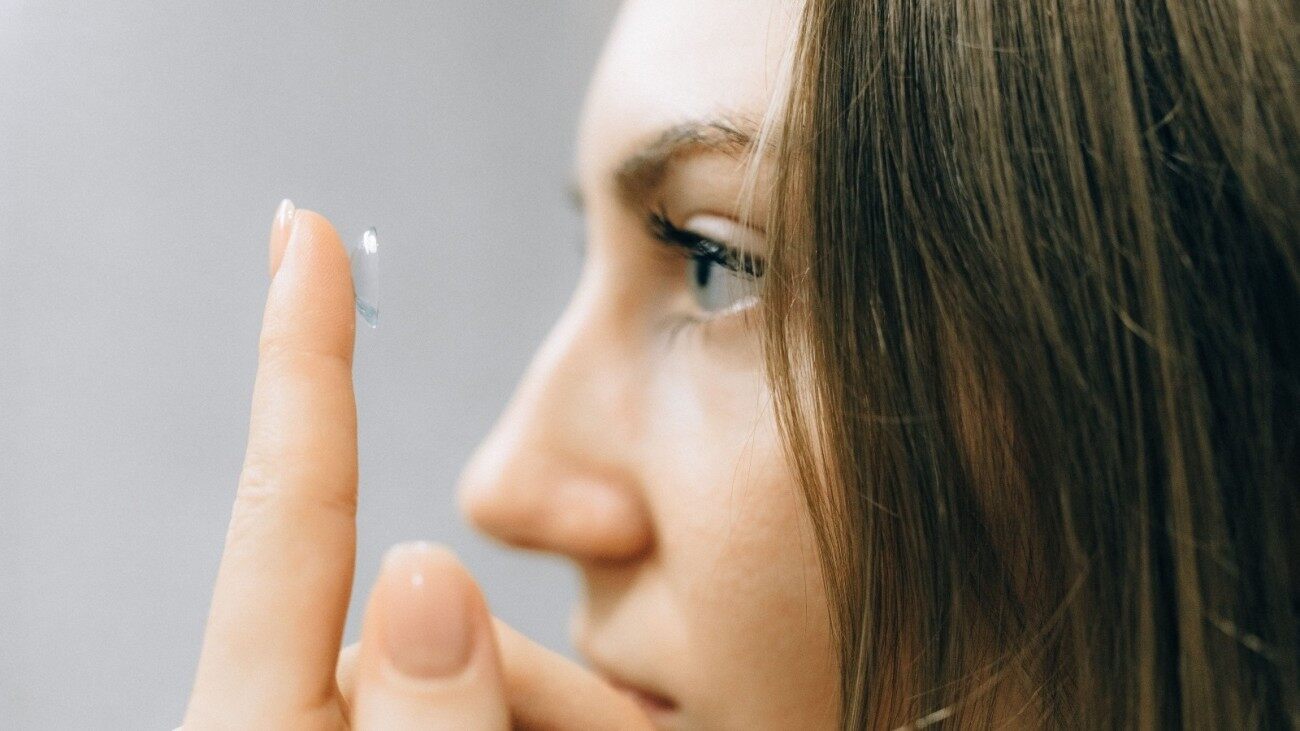
Every year, as soon as the first monsoon showers hit, the same warning goes out to contact lens wearers: be careful, infections are up, don’t let rainwater near your eyes. Patients nod, promise to be careful, and then go back to their eye doctors a few weeks later with a red, watering eye that turns out to be far more serious than “just an infection.”
What almost nobody tells them is this: the lens itself is often the real problem. Not the rain. Not the humidity. The lens.
We speak to Dr Sripriya P, Consultant Ophthalmologist, Dr Agarwals Eye Hospital, Kanakapura, who explains that for people who wear lenses during the rainy months, precaution and prevention is the name of the game.
A Barrier That Works Both Ways
We think of contact lenses as sitting on the eye. In reality, they sit against the eye, held there by a razor-thin film of tears. That’s the whole design, and it’s exactly what makes them dangerous the moment something contaminated gets underneath.
A pair of spectacles, however unglamorous, keeps the world at arm’s length. Rain hits the lens, not the eye. A contact lens does the opposite. If a splash of rainwater, or tap water, or water from an old contaminated lens case gets past it, the lens doesn’t let that moisture drain away. It holds it there, pinned against the cornea, for hours.
This is the paradox that many ophthalmologists try to explain to every lens wearer: the very thing that makes contact lenses convenient, close, continuous contact with the eye’s surface, is the same thing that turns a stray organism into a corneal infection.
Why This Matters More in the Monsoon
The cornea is not designed to be waterlogged. Under normal conditions, blinking and tear flow wash away most debris and microbes before they can do damage. A contact lens interrupts that mechanism. It creates a sealed, moist microenvironment right where you least want one, over the eye’s most vulnerable, avascular tissue.
Add monsoon conditions to this: higher humidity encouraging bacterial and fungal growth in lens cases and solution bottles; water splashing into eyes during commutes; and lenses worn a little longer because glasses fog up, and you have ideal circumstances for organisms like Pseudomonas, various fungi, and Acanthamoeba to get trapped against a cornea that already has microscopic surface abrasions from lens wear.
It this such combinations that lead to microbial keratitis, one of the few genuine ophthalmic emergencies that most people will have to deal with regularly, and one that can scar the cornea or threaten vision within days if left untreated.
Pay heed to these warnings
Most eye doctors won’t tell their patients to stop wearing lenses. For most people, with sensible precautions, lenses remain safe and comfortable even in the rains. However, people who wear lenses must respect what it actually is: a foreign object held in intimate, sustained contact with a living, breathing tissue and treat it accordingly.
Here’s what to do in the monsoon
• Wash and dry hands thoroughly before handling lenses. No shortcuts, especially when you’ve just come in from the rain.
• Never rinse lenses or cases with tap water. Use fresh solution only, and never top up old solution in the case.
• Avoid wearing lenses while swimming, showering, or sleeping, even for a nap.
• Replace lenses and cases exactly as prescribed. Extending “just a few more days” is where a lot of trouble starts.
• If your eye becomes red, painful, watery, light-sensitive, or your vision blurs, take the lens out immediately and don’t put it back in. See an ophthalmologist the same day, not after trying eye drops from the pharmacy.
Contact lenses are not inherently dangerous. But they are unforgiving of carelessness in a way glasses simply aren’t, and the monsoon is when that gap shows up most clearly.
Share
Tags