Could Your Kitchen Be The Secret To Eating Better? Here’s What To Know
The modern Indian kitchen is no longer just a place where meals are made. Increasingly, it is where wellness goals meet real-life constraints, long workdays, busy schedules, smaller households and the desire to eat bette
By Swati Chaturvedi··5K reads
Could Your Kitchen Be The Secret To Eating Better? Here’s What To Know
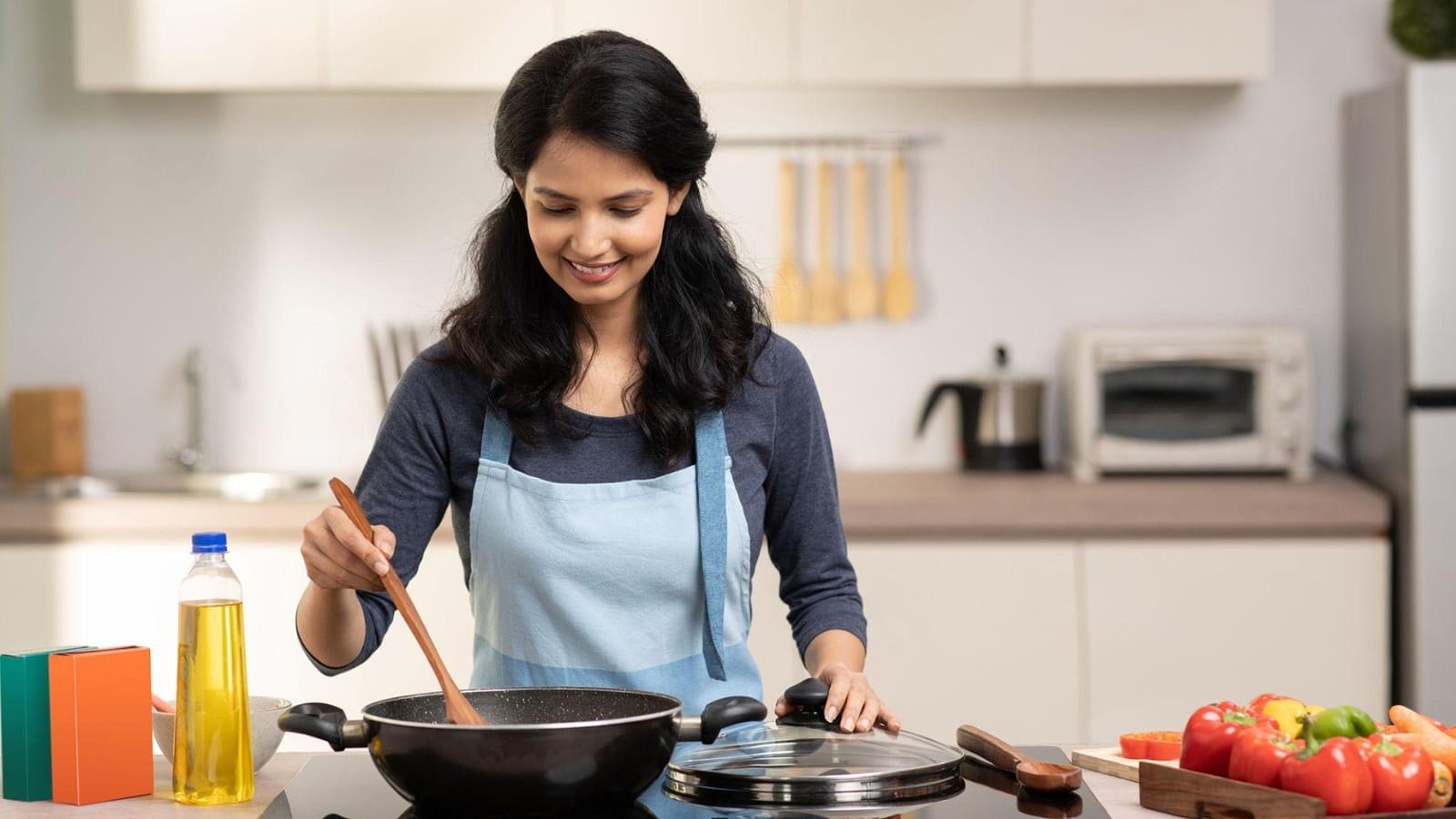
The modern Indian kitchen is no longer just a place where meals are made. Increasingly, it is where wellness goals meet real-life constraints, long workdays, busy schedules, smaller households and the desire to eat better without turning every meal into a project.
Healthy eating, after all, isn’t simply about buying fresh vegetables or choosing a balanced recipe. How food is cooked, how much time preparation takes and how easy it is to make a meal at home can all influence what eventually lands on the plate.
“Healthy eating has moved beyond selecting the correct ingredients, it means preparing nutritious dishes practically and sustainably,” says Ajay Singhania, Managing Director, Pringle Homeware. He believes the accelerated pace of modern life has made consumers look for ways to prepare nutritious food with less effort and without spending excessive time in the kitchen.
That is perhaps why the latest kitchen trends are less about having more appliances and more about having the right ones.
The Air Fryer Has Become A Kitchen Staple
Few appliances capture the wellness-and-convenience shift quite like the air fryer. What was once considered a novelty has become a familiar part of many contemporary kitchens, particularly among people looking to reduce their oil consumption without giving up foods they enjoy.
“Healthy eating has stopped being a seasonal resolution and become a daily expectation, and that shift is visible in how consumers choose their kitchen appliances today,” says Asna Khursheed, General Manager – E-commerce & Marketing, INALSA Home Appliances.
But consumers are becoming more discerning too. Rather than simply asking whether an appliance is an air fryer, they are increasingly interested in how it is made, what materials are used and whether it fits into their longer-term cooking habits.
Khursheed points to the growing interest in ceramic-coated air fryers, as well as the increasing attention being paid to slow juicers. Unlike centrifugal juicers, slow juicers extract juice at a lower speed, a feature that appeals to consumers increasingly interested in the finer details of food preparation.
The common thread is simple: people want healthier cooking to be convenient enough to become a habit.
Cookware Is Getting A Closer Look
The wellness conversation doesn’t end with appliances. Cookware, too, is being examined more closely by consumers who are becoming increasingly conscious of what comes into contact with their food.
“For years, convenience and cost were the primary factors driving consumers’ decisions when purchasing kitchen appliances and cookware. Today, this mindset is changing,” says Umesh Guptaa, Managing Director, Bergner India.
Consumers, he notes, are asking more questions about material safety, durability and cooking performance, rather than treating cookware as something to replace only when it wears out.
That has brought materials and construction into sharper focus. Cast iron and tri-ply cookware, for example, are valued for heat retention and even heat distribution, which can make cooking with less oil more practical.
The change is also partly technological. As induction cooktops become increasingly common in Indian homes, consumers are looking for cookware that can work across different heat sources without compromising performance.
Convenience Can Make Home Cooking More Realistic
There is another side to the wellness equation that is easy to overlook: whether healthy cooking is actually manageable on a Tuesday night.
For someone coming home late from work, the difference between preparing a simple meal and ordering food can sometimes come down to how many steps are involved.
This is where multipurpose appliances can have a role. The Jaypee Cook Smart Electric Casserole, 1.5 L, for instance, combines cooking, reheating and serving in one compact appliance. It can be used for everyday dishes such as dal, vegetables, soups and rice preparations, the sort of food that already forms the foundation of many Indian home kitchens.
“Healthy eating becomes much easier to maintain when the kitchen supports convenience without making people compromise on freshly prepared food,” says Anurag Jain, Director, Jaypee Plus.
The appeal here isn’t necessarily about adding another gadget to an already crowded countertop. It is about reducing friction around meals that people already want to cook.
The Kitchen Is Becoming More Personal
As consumers become more conscious of what they eat and how they prepare it, the kitchen itself is evolving.
Modern kitchens are increasingly expected to accommodate different cooking methods, dietary preferences and lifestyles, while also looking good enough to remain part of the social space of the home.
“Consumers are moving beyond utility as they upgrade their lifestyles. The kitchen is becoming a space where health, functionality and aesthetics come together,” says Guptaa.
That explains the growing interest in cookware and appliances that can transition from the cooking area to the dining table, as well as products that are designed with contemporary kitchens in mind.
The visual aspect may seem secondary to health, but it can influence how people interact with their kitchens. When cooking equipment is easy to use and fits naturally into the space, preparing food at home can feel less like a chore.
The Real Shift Is Behavioural
Ultimately, no appliance can make a meal healthy on its own. A blender won’t turn an unbalanced diet into a balanced one, and an air fryer doesn’t automatically make every dish nutritious.
What these products can do is make certain choices easier.
Singhania points to appliances such as blenders, hand blenders, slow cookers and induction cooktops as tools that can encourage home cooking and reduce reliance on processed or takeaway food. Guptaa similarly sees cookware and appliances as part of a broader shift towards more informed everyday cooking.
And that may be the most interesting change taking place in the kitchen: consumers aren’t necessarily looking for perfection. They are looking for small efficiencies that make better habits easier to maintain.
Khursheed describes the direction of the category simply: households increasingly want appliances that “make the healthier choice the easier choice, every single day.”
Perhaps that is what the wellness kitchen of 2026 really looks like, not a countertop overflowing with expensive gadgets, but a thoughtfully chosen collection of tools that makes it easier to cook at home, use less oil, understand what you’re cooking with and actually enjoy the process.