Chhath Puja 2026: Why Devotees Worship The Setting And Rising Sun
Chhath Puja 2026 Calendar: Chhath Puja is among the most significant festivals dedicated to the worship of the Sun God, Surya Dev, and Chhathi Maiya. Celebrated with immense devotion, particularly in Bihar, Jharkhand, ea
By Nibandh Vinod··9K reads
Chhath Puja 2026: Why Devotees Worship The Setting And Rising Sun
Chhath Puja 2026 Calendar: Chhath Puja is among the most significant festivals dedicated to the worship of the Sun God, Surya Dev, and Chhathi Maiya. Celebrated with immense devotion, particularly in Bihar, Jharkhand, eastern Uttar Pradesh and parts of Nepal, the four-day festival reflects the deep connection between Indian traditions, nature and spirituality.
Unlike many other Hindu festivals, Chhath Puja involves offering prayers to both the setting and the rising Sun. Devotees observe rigorous fasts, prepare traditional offerings and gather at riverbanks, ponds and other water bodies to perform rituals and seek blessings for the health, happiness and prosperity of their families.
Read More: Chhath Puja 2026: Date, Calendar, Shashthi Tithi, Sunrise And Sunset Timings
Chhath Puja is not merely a religious observance but also a celebration of gratitude, discipline, purity and community spirit. The festival is particularly known for its traditional folk songs, elaborate offerings and the sight of devotees standing in water to offer Arghya to the Sun.
Chhath Puja celebrations reflect devotion, gratitude and tradition.
Chhath Puja will be celebrated from November 13 to November 16, with the main Sandhya Arghya ritual on Sunday, November 15. Here is everything to know about its religious significance, mythological beliefs, traditions and four-day celebrations.
Chhath Puja 2026: Date And Four-Day Calendar
Chhath Puja is observed during Kartik Shukla Paksha, with the main worship taking place on Shashthi, the sixth day of the lunar fortnight.
Day 1: Nahay Khay: Friday, November 13, 2026 (Chaturthi)
Day 2: Lohanda and Kharna: Saturday, November 14, 2026 (Panchami)
Day 3: Sandhya Arghya: Sunday, November 15, 2026 (Shashthi)
Day 4: Usha Arghya and Parana: Monday, November 16, 2026 (Saptami)
The main Chhath Puja is on November 15, when devotees offer Arghya to the setting Sun. The festival concludes the following morning with prayers to the rising Sun.
Four Days Of Rituals And Traditions
Chhath Puja is celebrated over four days, with each day carrying a distinct religious and spiritual significance.
Day 1: Nahay Khay – November 13, 2026
Nahay Khay marks the beginning of Chhath Puja. On this day, devotees, known as Vratins, take a holy dip in a river or another water body and prepare for the upcoming fast.
Homes are cleaned, and special attention is given to maintaining cleanliness and purity while preparing food and other offerings.
Traditional dishes prepared on this day include rice, chana dal and bottle gourd (lauki or kaddu). The food is prepared using traditional methods and consumed as part of the ritual.
Nahay Khay marks the beginning of a period of discipline, devotion and spiritual preparation. Devotees seek blessings from Chhathi Maiya for the happiness, peace and prosperity of their families.
Day 2: Lohanda And Kharna – November 14, 2026
The second day of Chhath Puja is known as Lohanda and Kharna.
Devotees observe a fast throughout the day and perform prayers in the evening. After the rituals, traditional prasad is prepared, commonly including jaggery-based kheer and roti.
The offerings are first presented to the deity before the devotees consume the prasad and conclude the day’s fast.
After Kharna, the Vratins begin an extended nirjala fast, traditionally lasting around 36 hours. During this period, they abstain from food and water until the conclusion of the festival’s morning rituals.
Kharna is considered an important day of devotion and self-discipline, marking the beginning of the most rigorous phase of Chhath Puja.
Day 3: Sandhya Arghya – November 15, 2026
Sandhya Arghya marks one of the most significant rituals of Chhath Puja.
Sandhya Arghya is one of the most important rituals of Chhath Puja.
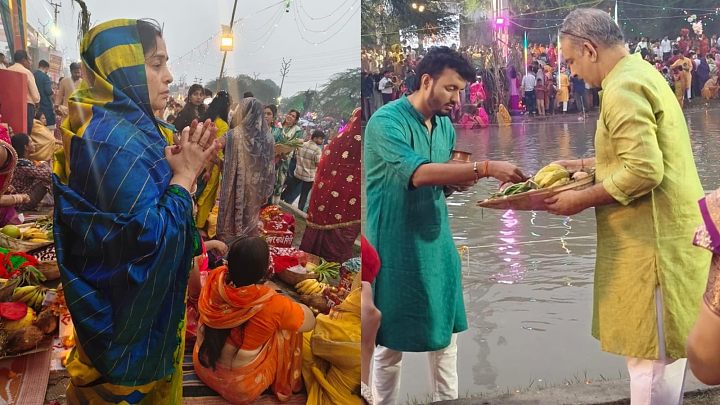
On this day, devotees prepare traditional offerings, including thekua, fruits, coconut, sugarcane and other seasonal items. These are arranged in bamboo baskets, known as daura, and winnowing baskets called soop.
In the evening, devotees and their family members visit riverbanks, ponds and designated Chhath ghats. The atmosphere becomes devotional as people sing traditional Chhath songs and participate in the celebrations.
At sunset, Vratins stand in the water and offer Arghya to Surya Dev. Water and other traditional offerings are presented while devotees pray for the well-being, health and prosperity of their families.
A beautiful moment of faith and devotion during Chhath Puja.
The ritual of offering prayers to the setting Sun is one of the most distinctive aspects of Chhath Puja.
In several communities, families also observe Kosi Bharai, a traditional ritual involving sugarcane, earthen lamps and offerings. The exact customs may vary across regions and families.
The traditional Kosi ritual is an integral part of Chhath Puja celebrations.
The evening is marked by devotional songs, prayers and the lighting of lamps, creating a spiritually significant atmosphere at the ghats.
Day 4: Usha Arghya And Parana – November 16, 2026
Ghats come alive with festive spirit and devotion during Chhath Puja.
Usha Arghya marks the final day of Chhath Puja.
Devotees gather at the ghats before sunrise and wait for the first rays of the Sun. The Vratins then stand in the water and offer Arghya to the rising Sun.
Prayers are offered to Surya Dev and Chhathi Maiya for good health, family happiness, children’s well-being and prosperity.
The ritual marks the completion of the four-day festival and the end of the extended fast.
After offering Usha Arghya, devotees perform Parana, which marks the breaking of the fast. Traditional prasad is shared with family members, relatives and other devotees.
With this, the four-day Chhath Puja celebrations come to an end.
Chhath Puja 2026: Sunrise And Sunset Timings
The two most important moments during Chhath Puja are the sunset on the third day and sunrise on the fourth day.
According to Drik Panchang:
Sandhya Arghya – November 15: Sunset at 5:28 PM.
Usha Arghya – November 16: Sunrise at 6:44 AM.
These timings are specific to New Delhi. Sunrise and sunset timings may differ depending on the city, so devotees should check their local Panchang before performing the rituals.
Who Is Chhathi Maiya? Know Her Religious Significance
Families come together to celebrate Chhath Puja with devotion and faith.
Chhathi Maiya holds a special place in the religious beliefs associated with Chhath Puja. Also known as Shashthi Devi, she is worshipped as a goddess associated with motherhood, fertility, children’s well-being and family prosperity.
According to popular religious beliefs, Chhathi Maiya is regarded as a manifestation of Prakriti, or nature. One traditional belief describes her as the sixth manifestation of nature and associates her with Lord Brahma and Surya Dev.
She is also believed to be the sister of the Sun God. Devotees worship both Surya Dev and Chhathi Maiya during the festival, seeking their blessings for the well-being, longevity and prosperity of their families.
The rituals performed during Chhath Puja reflect the importance of nature and its life-sustaining elements. The Sun provides light and energy, while water, soil and crops play an essential role in sustaining life.
Through prayers and offerings, devotees express gratitude for these natural resources and seek blessings for a prosperous future.
Chhath Puja: Mythological Stories And Beliefs
Several mythological stories and traditional beliefs are associated with Chhath Puja. These narratives have been passed down through generations and form an important part of the festival’s religious significance.
Draupadi And The Pandavas
According to a popular belief associated with the Mahabharata, Draupadi observed Chhath-related worship to seek the well-being and prosperity of her family during a difficult period in the lives of the Pandavas.
The story is traditionally associated with devotion, faith and the belief that sincere prayers can help devotees overcome difficulties.
Goddess Sita And Chhath Puja
Another popular belief links Chhath Puja to the Ramayana period. According to traditional accounts, Goddess Sita observed rituals dedicated to the Sun God after returning to Ayodhya with Lord Rama.
The story is remembered as an example of devotion and the importance of Sun worship in Hindu traditions.
Samba And The Worship Of Surya Dev
A story associated with the Sun God also concerns Samba, the son of Lord Krishna. According to popular mythology, Samba suffered from leprosy and worshipped Surya Dev to seek relief from his illness.
It is believed that his devotion to the Sun God helped him recover.
These stories highlight the longstanding association of Sun worship with health, well-being, faith and spiritual strength in Hindu traditions.
Why Do Devotees Worship Both The Setting And Rising Sun During Chhath?
One of the most distinctive features of Chhath Puja is the worship of both the setting and rising Sun.
On the third day, devotees offer Sandhya Arghya to the setting Sun. The following morning, they perform Usha Arghya and offer prayers to the rising Sun.
The practice reflects gratitude towards the Sun, which is regarded as the source of energy, light and life. Worshipping the setting Sun also represents respect for the natural cycle of life and the importance of acknowledging every phase of existence.
The offering to the rising Sun, meanwhile, symbolises hope, renewal and new beginnings.
The rituals also remind devotees of their dependence on nature and the importance of expressing gratitude for its blessings.
Chhath Puja: The Importance Of Folk Songs And Traditions
Chhath Puja brings families together through traditions, prayers and celebrations.
Chhath Puja is deeply connected with the folk culture of Bihar, Jharkhand and eastern Uttar Pradesh.
Traditional songs form an important part of the celebrations. These songs are passed down through generations and express devotion towards Chhathi Maiya and Surya Dev, along with the hopes and prayers of devotees.
Many folk songs revolve around family happiness, children’s well-being, marital prosperity and the fulfilment of wishes.
The festival is also known for its traditional offerings, particularly thekua, a sweet preparation made using wheat flour and jaggery or sugar.
Other offerings commonly include fruits, coconut, sugarcane and rice-based preparations. These are arranged in bamboo baskets and offered during the evening and morning rituals.
The beautifully decorated ghats, rows of earthen lamps, devotional songs and traditional offerings make Chhath Puja an important celebration of regional culture and community identity.
Chhath Puja: A Festival Of Nature, Faith And Community
Beyond its religious significance, Chhath Puja carries a message of gratitude towards nature and the environment.
The worship of the Sun and the use of natural offerings highlight the importance of elements such as sunlight, water, soil and agricultural produce in sustaining life.
The festival also brings communities together. Families and neighbours participate in preparations, clean riverbanks and ghats, arrange offerings and help devotees with the rituals.
There is a strong emphasis on cleanliness, discipline, simplicity and devotion. The collective celebrations also reflect the importance of social harmony and community participation.
For millions of devotees, Chhath Puja is an occasion to express gratitude, strengthen family bonds and preserve traditions that have been passed down through generations.
As the setting Sun receives evening prayers and the rising Sun is welcomed the following morning, the festival conveys a timeless message of faith, patience, gratitude and hope.