Chhath Puja 2026 Kharna: How Is Prasad Prepared? Know Traditional Foods And Puja Vidhi
Chhath Puja 2026 Kharna: With Chhath Puja 2026 underway, devotees are preparing to observe one of the most significant rituals of the four-day festival, Kharna. Celebrated on the second day of Chhath, Kharna involves a d
By Nibandh Vinod··25K reads
Chhath Puja 2026 Kharna: How Is Prasad Prepared? Know Traditional Foods And Puja Vidhi
Chhath Puja 2026 Kharna: With Chhath Puja 2026 underway, devotees are preparing to observe one of the most significant rituals of the four-day festival, Kharna. Celebrated on the second day of Chhath, Kharna involves a day-long fast, prayers and the preparation of traditional sattvik offerings as prasad to the deities.
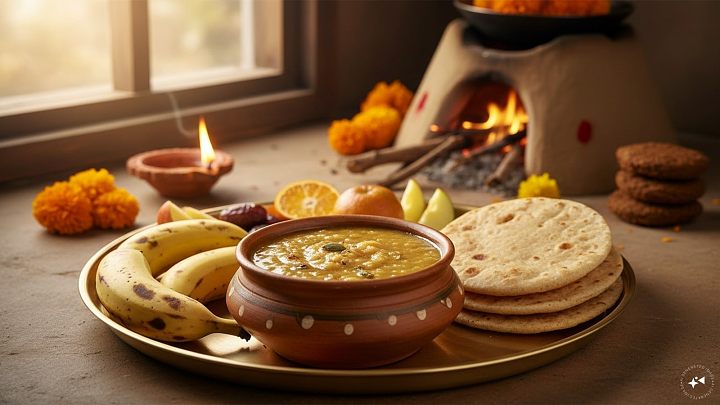
This year, Kharna will be celebrated today, on Saturday, November 14. Also known as Lohanda, the ritual holds special importance for devotees observing the Chhath vrat. The traditional offerings include Rasiyaav, a rice kheer prepared with jaggery, wheat roti and seasonal fruits. These offerings are prepared with utmost care, maintaining cleanliness and ritual purity, before being offered as prasad.
Read More: Chhath Puja 2026: Why Devotees Worship The Setting And Rising Sun
The Kharna prasad is first offered during the evening prayers before the vrat is broken. Devotees then begin the approximately 36-hour nirjala fast, which continues until the Usha Arghya is offered to the rising Sun on November 16.
Here is everything you need to know about Kharna 2026, including its traditional foods, prasad preparation rules and puja vidhi.
Chhath Puja 2026: When Is Kharna?
Chhath Puja 2026: Kharna will be observed on November 14.
According to Drik Panchang, Chhath Puja will be celebrated over four days, from November 13 to November 16, 2026.
November 13, Friday: Nahay Khay
November 14, Saturday: Lohanda and Kharna
November 15, Sunday: Sandhya Arghya (evening offering to the setting Sun)
November 16, Monday: Usha Arghya (morning offering to the rising Sun) and Parana
Kharna marks the second day of the festival and is an important ritual for devotees preparing for the longer fast that follows.
Read More: Chhath Puja 2026: Date, Calendar, Shashthi Tithi, Sunrise And Sunset Timings
What Is Kharna During Chhath Puja?
Kharna, also known as Lohanda, is the second day of Chhath Puja. On this day, devotees observe a fast from sunrise until evening. Traditionally, the fast is observed without consuming food or water.
After sunset, devotees perform the evening rituals and offer freshly prepared food to Surya Dev and Chhathi Maiya. The prasad is then consumed by the devotee, marking the completion of the day’s fast.
After Kharna, devotees undertake the rigorous nirjala vrat, which lasts approximately 36 hours and concludes after the morning Usha Arghya on the final day of Chhath.
Read More: Chhath Puja 2026: Complete Samagri List – What Items Are Required For Worship?
Chhath Puja Kharna 2026: What Foods Are Prepared as Prasad?
Kharna prasad is traditionally simple, vegetarian and sattvik. The food is prepared without onion and garlic, and jaggery is commonly used instead of refined sugar.
The traditional Kharna menu generally includes:
Rasiyaav (Jaggery Rice Kheer)
Rasiyaav is one of the most important preparations of Kharna. It is a traditional rice pudding made using rice, milk and jaggery.
The rice is slowly cooked with milk until it reaches a creamy consistency. Jaggery is added to provide natural sweetness. Some families prepare the dish using water instead of milk, according to their customs.
Roti or Sohari
Whole-wheat roti, also known as Sohari in some regional traditions, is another essential part of the Kharna offering.
The rotis are prepared using wheat flour and water, then cooked carefully. They may be served with a little pure desi ghee, depending on family traditions.
Read More: Chhath Puja 2026: Who Is Chhathi Maiya? Know The Story, History And Significance
Bananas and Seasonal Fruits
Bananas and other seasonal fruits are commonly included in the Kharna prasad.
These fruits form part of the traditional offering and are arranged alongside Rasiyaav and roti during the evening worship.
How Is Kharna Prasad Prepared? Traditional Rules to Follow
The preparation of Kharna prasad is considered an important part of the Chhath rituals. Devotees follow traditional practices to maintain cleanliness and sanctity throughout the cooking process.
Here are some commonly followed preparation practices:
Clean Cooking Utensils: The utensils used to prepare Kharna prasad are thoroughly cleaned. Some families prefer using new utensils specifically for the occasion.
Traditional Cooking Methods: In many households, the prasad is prepared on an earthen stove (chulha) using wood or dried cow dung cakes as fuel. Mango wood is traditionally used in some families. Practices may differ, and the cooking method is followed according to family customs.
Maintaining Ritual Purity: The devotee, known as the vrati, or another family member who observes the required cleanliness practices, prepares the food.
No Tasting Before Offering: The food is not tasted during preparation. It is first offered to the deities as bhog before the devotees consume it.
Sattvik Ingredients: Traditional Kharna preparations avoid onion and garlic. Jaggery is commonly preferred over refined sugar, while the use of ingredients follows individual family traditions.
Read More: Chhath Puja 2026: How To Make Thekua At Home? Check Ingredients And Traditional Recipe
Chhath Puja 2026 Kharna: Evening Puja Vidhi
Kharna puja is generally performed in the evening after the food preparations are complete. Devotees follow traditional rituals to offer their prayers to Surya Dev and Chhathi Maiya.
Here is a step-by-step guide to the commonly followed Kharna puja vidhi:
Step 1: Clean the Puja Area
The devotee cleans the designated worship area in the house or courtyard. A clean and peaceful space is prepared for the evening rituals.
Step 2: Prepare the Altar
An auspicious space is arranged for the puja. In many households, alpana or rangoli designs are drawn to decorate the worship area.
Read More: Chhath Puja 2026: Why Do Devotees Observe A 36-Hour Nirjala Fast? Know The Fasting Rules And Significance
Step 3: Arrange the Kharna Prasad
Freshly prepared Rasiyaav, roti or Sohari, bananas and other traditional offerings are placed on clean plates or banana leaves.
Step 4: Perform the Evening Worship
The devotee lights diyas and incense sticks and offers prayers to Surya Dev and Chhathi Maiya. Prayers are offered for the health, happiness and well-being of family members.
Step 5: Offer Bhog and Break the Fast
The freshly prepared Kharna prasad is first offered to the deities. The vrati then consumes the prasad, traditionally in a quiet and devotional atmosphere.
The prasad is subsequently distributed among family members, relatives and neighbours.
Step 6: Begin the 36-Hour Nirjala Vrat
After consuming the Kharna prasad, devotees begin the approximately 36-hour nirjala fast. They refrain from consuming food and water during this period, according to the traditional observance.
The fast concludes after devotees offer Usha Arghya to the rising Sun on November 16.
Why Is Kharna Important During Chhath Puja?
Kharna is an important stage of Chhath Puja because it marks the transition from the initial fasting ritual to the more rigorous nirjala vrat.
The preparation and offering of prasad reflect devotion, discipline and purity. The ritual also brings families and communities together as they participate in the preparations and distribute the sacred food.
Through Kharna, devotees seek the blessings of Surya Dev and Chhathi Maiya for prosperity, good health and the well-being of their families.