Lifestyle
Benne: How Homesickness For Bengaluru Food Made This Couple Start India's Most Talked-About Dosa Brand
Akhil Iyer and Shriya Narayan never planned to build a restaurant empire. Iyer, a Bengaluru-born producer who had lived in Mumbai for over a decade, and Narayan, a psychologist who moved to the city after their marriage,
22K reads
Akhil Iyer and Shriya Narayan never planned to build a restaurant empire. Iyer, a Bengaluru-born producer who had lived in Mumbai for over a decade, and Narayan, a psychologist who moved to the city after their marriage, shared one craving neither could shake — a hot, buttery Davangere-style dosa.
Every trip back to Bengaluru ended the same way, with Iyer eating a dosa before heading home to Mumbai. The idea sat in the pipeline for nearly two-and-a-half years before it became a 275 sq ft, 12-seater stall in Bandra.
The dosa itself carries its own geography. The Davangere-style benne dosa traces back to Karnataka, where “benne” simply means butter — used generously enough to turn an ordinary dosa into something else entirely. For Iyer, it evokes the small darshinis of Bengaluru, the dollops of pure, unsalted butter that defined comfort food back home. Benne was never meant to be a fancy restaurant. It was conceived as a neighbourhood café, a place to drop in for a dosa and a cup of coffee.
Neither founder had a background in hospitality or food. What they had was obsession. Iyer trained under a dosa master on Avenue Road in Bengaluru to perfect the technique, and the couple spent months testing batches in their own kitchen before it finally worked. They documented the entire journey online—the setbacks, the long hours, the slow build — and the response surprised even them.
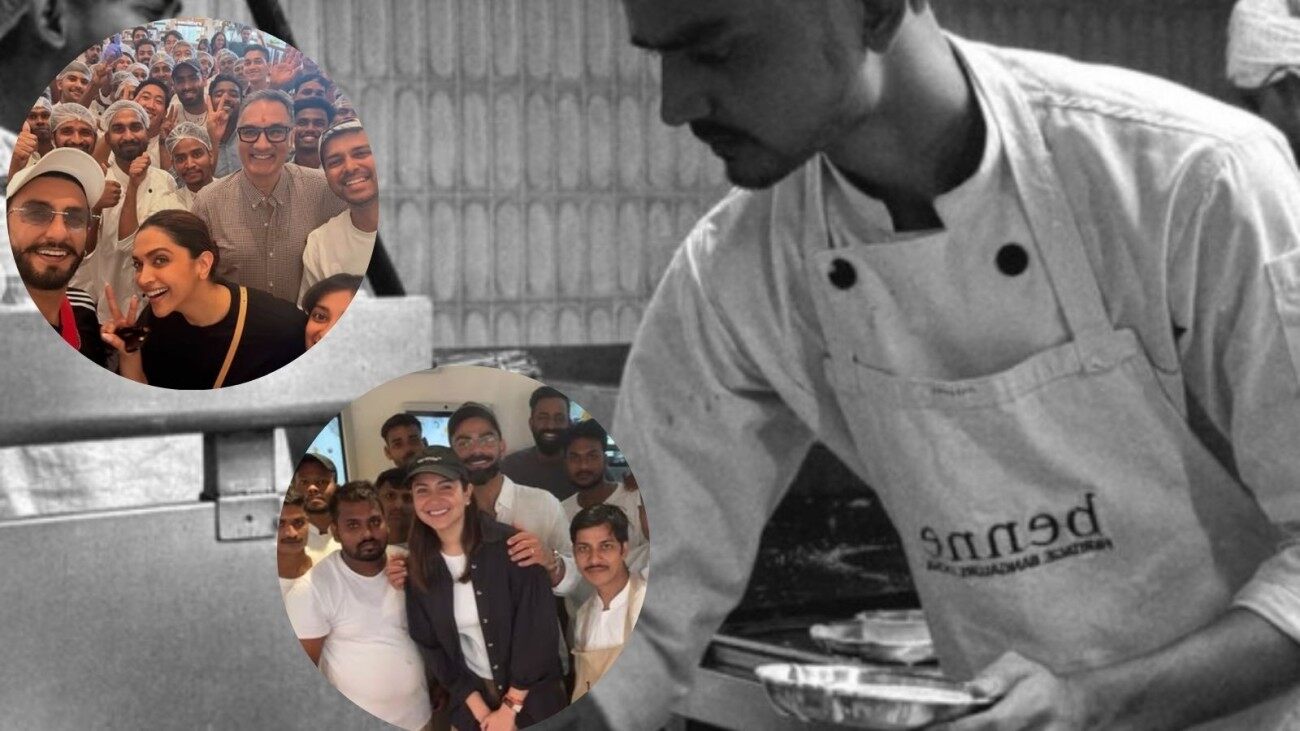
The pre-launch buzz soon rivalled restaurants backed by celebrity chefs. It wasn’t long before Deepika Padukone and Ranveer Singh were spotted enjoying the heritage dosa, turning Benne into a full-blown social media moment.
Industrialist Harsh Goenka broke down the brand’s rise in a widely shared tweet, crediting its success to a single hero product, a small and easily replicable menu, electronic self-order and self-service that keeps customers engaged, pricing affordable enough to become a habit, queues that generated their own buzz, and consistently prompt service.
From that one Bandra outlet, Benne has since expanded across Mumbai and into Delhi, growing into a near ₹350 crore business without straying from its original instinct—keep the menu tight, keep it authentic, keep the butter generous.
What makes Benne’s story resonate is how ordinary its beginnings were. Two people missing a taste of home, with no restaurant experience and no roadmap, simply followed a craving until it became a café, and then a cultural phenomenon. From a 12-seater in Bandra to one of India’s most talked-about South Indian dining brands, Benne is proof that sometimes the most powerful business plan is simply not being able to stop thinking about a dosa.
Share
Tags