Lifestyle
Before Psyllium Trended Globally, India Knew This 'Superfibre' As Isabgol: 5 Reasons To Add It To Your Diet
If protein was the nutrient everyone chased over the past few years, fibre could be next. At the centre of this shift is psyllium, better known to many Indian households as Isabgol. Long used as a home remedy for constip
13K reads
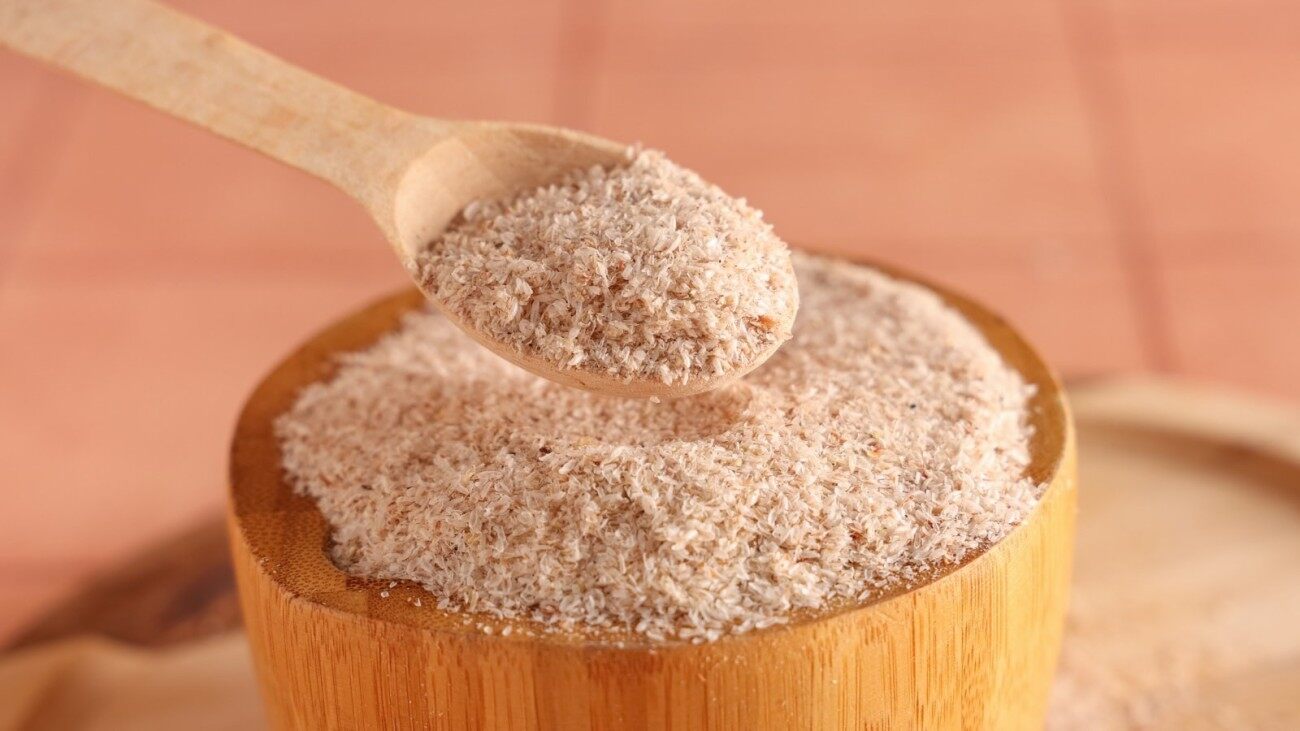
If protein was the nutrient everyone chased over the past few years, fibre could be next. At the centre of this shift is psyllium, better known to many Indian households as Isabgol. Long used as a home remedy for constipation, this natural soluble fibre is now finding its way into everyday foods as consumers look for simple ways to support their gut health and overall wellbeing.
Once associated almost exclusively with digestive relief, Isabgol (psyllium) is now being recognised for much more. Food manufacturers are increasingly incorporating it into everyday products, while nutrition experts say its benefits extend far beyond regular bowel movements.
Fibermaxxing: Why is Psyllium Trending?
Psyllium comes from the husks of Plantago ovata seeds, a plant grown primarily in India. It is rich in soluble fibre. When mixed with water, it forms a gel-like substance that slows digestion and helps regulate bowel movements.
Unlike some fibres that mainly add bulk, psyllium can soften hard stools while also firming loose ones, making it useful for constipation, occasional diarrhoea or irritable bowel syndrome. It also acts as a prebiotic, feeding beneficial gut bacteria and supporting the microbiome over time. A fibre-rich diet supports healthy digestion, promotes regular bowel movements and nourishes beneficial gut bacteria. Meanwhile, adequate fibre intake has also been linked to improved cholesterol levels, better blood sugar control and greater satiety, which may help with weight management.
According to industry reports, the renewed interest in psyllium is being driven by growing consumer demand for foods that offer health benefits beyond basic nutrition. Manufacturers are increasingly adding it to cereals, snack bars, bakery products and beverages to boost fibre content without significantly altering taste.
Experts also point out that most people consume far less fibre than recommended, making ingredients like psyllium an easy way to bridge the gap. With more people looking for foods that support long-term health rather than quick fixes, fibre has become one of the fastest-growing areas of nutrition innovation.
5 Reasons To Add Psyllium To Your Diet
1. It supports a healthier gut
Psyllium is a soluble fibre that absorbs water and forms a gel-like substance in the digestive tract. This helps promote regular bowel movements, relieve constipation and support overall digestive health.
2. It may help lower cholesterol
Studies suggest that psyllium can help reduce LDL (“bad”) cholesterol by binding to bile acids in the gut, encouraging the body to use cholesterol to produce more bile. This may contribute to better heart health when combined with a balanced diet.
3. It can help manage blood sugar levels
Because psyllium slows the digestion and absorption of carbohydrates, it may help reduce sharp spikes in blood sugar after meals. This makes it a useful addition to a balanced diet, particularly for people aiming to improve their blood glucose control under medical advice.
4. It helps you stay fuller for longer
The gel formed by psyllium expands in the stomach, slowing digestion and increasing feelings of fullness. This may help reduce unnecessary snacking and support healthy weight management as part of an overall nutritious eating pattern.
5. It’s an easy way to boost your daily fibre intake
Most people don’t consume enough fibre each day. Adding psyllium to smoothies, yoghurt, oatmeal or baked goods can be a simple way to increase your fibre intake, especially if your regular diet falls short of recommended levels.
Important: Psyllium should always be consumed with plenty of water, and people with swallowing difficulties, certain digestive conditions or those taking medications should consult a healthcare professional before adding it to their diet.
Share
Tags