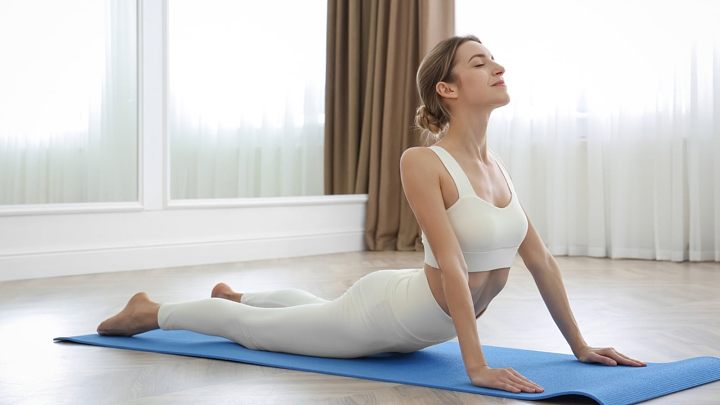
A Little More Grip, A Lot Less Slipping: Meet Your Next Yoga Mat
Starting a yoga practice at home doesn’t require an elaborate setup. A little floor space, comfortable clothing and a good yoga mat are often enough to get going. But if you’ve ever tried holding a downward-facing dog on
By Consumer Trends Desk··21K reads
A Little More Grip, A Lot Less Slipping: Meet Your Next Yoga Mat
Starting a yoga practice at home doesn’t require an elaborate setup. A little floor space, comfortable clothing and a good yoga mat are often enough to get going. But if you’ve ever tried holding a downward-facing dog on a mat that keeps sliding or sitting cross-legged on a surface that feels almost as hard as the floor beneath it, you’ll know that choosing the right mat can make a difference.
And no, the thickest mat on the shelf isn’t necessarily the best one.
When shopping for a yoga mat under Rs 700, three things deserve attention: thickness, grip and material. They determine how comfortable the mat feels, how well it stays in place and whether it is suited to the kind of exercise you actually practise.
First, let’s talk thickness.
For most beginners, a mat measuring around 4mm to 6mm offers a sensible balance between cushioning and stability. A 4mm mat is relatively lightweight and keeps you closer to the floor, which can be helpful during standing poses and balance exercises. A 6mm mat offers a little more cushioning for the knees, wrists and elbows, particularly when practising on hard marble or tiled floors.
Then there are thicker mats, usually around 8mm or more. These can be useful for stretching, Pilates and floor-based workouts where additional cushioning is welcome. However, an overly soft surface can make standing balance poses more challenging. The idea is to find a mat that supports your movements without making you feel unstable.
Grip is the next big consideration.
A yoga mat should stay reasonably secure against the floor while providing enough traction for your hands and feet. Look for a textured surface and an anti-skid underside. A mat that slides around during transitions can become distracting, particularly when you’re moving between poses.
Do remember that anti-slip claims are not a guarantee of performance in every situation. Sweat, dust and moisture can affect grip, so keeping the mat clean is important. If you practise more vigorous forms of yoga or tend to sweat heavily, you may need a more specialised mat than a basic budget option.
And what about material?
Most affordable yoga mats use EVA, PVC or foam-based constructions. EVA is lightweight, flexible and commonly found in budget-friendly mats. PVC can offer a firmer, more durable surface, although its grip varies depending on the finish. NBR foam is softer and offers more cushioning, making it popular for floor exercises, but it can feel too squishy for some standing poses.
TPE is another material worth knowing about. It is often marketed as a more environmentally considerate alternative to conventional PVC, although the actual environmental credentials depend on the product and its construction. At this price point, however, genuine TPE options can be harder to find.
Also pay attention to size. A standard mat is generally around 6 feet long and 2 feet wide, but taller users may want something longer. Weight matters if you plan to carry it to a yoga class or park, while a carrying strap or bag is a useful extra.
The good news is that you can find several affordable options without spending more than Rs 700. From lightweight EVA mats to thicker everyday exercise mats, here are some different brands worth checking out on Amazon India.
Yoga Mats Under Rs 700 Worth Exploring
1. Lifelong EVA Yoga Mat
For a simple everyday start
If you’re just getting started with yoga and don’t want to invest too much immediately, Lifelong is worth considering. Its EVA yoga mat is a straightforward option for basic home workouts, stretching and beginner-level practice. The lightweight construction makes it easy to roll up and store when you’re done. Check the selected variant’s thickness before ordering, particularly if you need additional cushioning for hard floors.
2. Boldfit EVA Yoga Mat
For a versatile home workout setup
Boldfit is a familiar name in the affordable fitness accessories space. Its EVA exercise mat is designed for yoga, Pilates and general home workouts, with a lightweight construction and an anti-slip surface. It is a practical choice for someone who wants one mat for multiple activities rather than a product exclusively for yoga. Check the dimensions and thickness of the colour variant you select, as specifications can differ across listings.
3. Fitness Mantra 6mm Anti-Skid Yoga Mat
For a little extra cushioning
If you prefer a mat with a clearly specified 6mm thickness, Fitness Mantra is an option to explore. Its EVA construction and anti-skid design make it relevant for everyday yoga and floor exercises. The extra cushioning compared with thinner 4mm options can be useful when your routine involves kneeling, seated stretches and other floor-based movements.
4. SAVI VIBES 5mm EVA Yoga Mat
For those who want a slightly different thickness
A 5mm mat sits between the popular 4mm and 6mm choices. SAVI VIBES offers an EVA option with a 5mm thickness, making it worth considering if you want a middle ground between portability and cushioning. Its phthalate-free positioning is another product detail to check on the listing. It is a good option to compare with standard EVA mats before making a purchase.
5. Slovic Yoga Mat
For the tightest shopping budget
If keeping the spend low is your biggest priority, Slovic is another brand to explore. Its budget-friendly yoga mat listing makes it an option for occasional stretching and basic home exercise. However, check the exact thickness, dimensions and material before ordering. At this price, don’t assume that a low-cost mat will offer the same cushioning or durability as a more substantial option.
The best yoga mat isn’t necessarily the most expensive or the thickest. For a beginner practising a mix of standing poses, stretches and floor exercises, a 4mm to 6mm mat is a sensible starting point. Prioritise a stable base, comfortable cushioning and a surface that feels secure under your hands and feet.
And remember, a yoga mat is something you’ll use repeatedly, so look beyond the introductory price. Check the dimensions, material specifications, care instructions and customer feedback before placing your order. A little research can make your morning yoga routine considerably more comfortable.