US Midterm Election's $12-Billion Ad Blitz: Mega Donors To Costliest Contests, ‘Million-Dollar Questions’ Answered
The 2026 U.S. midterm elections are projected to break all historical records, with total campaign spending expected to reach nearly $12 billion ($11.9 billion), driven heavily by an unprecedented avalanche of advertisin
लेखक Manjiri Joshi··25K पढ़े गए
US Midterm Election's $12-Billion Ad Blitz: Mega Donors To Costliest Contests, ‘Million-Dollar Questions’ Answered
The 2026 U.S. midterm elections are projected to break all historical records, with total campaign spending expected to reach nearly $12 billion ($11.9 billion), driven heavily by an unprecedented avalanche of advertising.
Data compiled by independent campaign finance tracker OpenSecrets and ad-tracking firm AdImpact reveals that this election cycle outpaces the $11.2 billion spent during the 2024 presidential cycle and marks a 30% surge over the 2022 midterms.
The financial landscape of the 2026 midterms breaks down into distinct spending advantages, top political battlegrounds, and key shifting dynamics across the country.
ADVERTISING & PARTY ADVANTAGES
Total midterm ad spending has topped $10 billion and is projected to hit $11.6 billion by the time final tallies are settled, surpassing major commercial benchmarks like the entire North American box office and NFL ad bookings.
Republicans hold a $133 million advertising advantage over Democrats, outspending them by roughly 11% overall.
The Republican financial push is heavily bolstered by ultra-wealthy donors—most notably billionaire Elon Musk, who has poured nearly $445 million into backing GOP candidates. Conversely, the Democratic network relies more extensively on individual, small-dollar donations.
The Senate Leadership Fund network stands as the cycle’s top advertiser, dedicating $643 million to key races, including $310 million directly from its political action committee (PAC).
MOST EXPENSIVE HEAD-TO-HEAD RACES
Texas Senate Race: The battle for the Texas Senate seat leads the nation as the single most expensive congressional race, drawing nearly $500 million in advertising blitzes.
California Gubernatorial Race: Marking the highest expenditure for a state-level executive office, this race reached $346 million, heavily driven by billionaire Tom Steyer, who personally spent $210 million.
Concentrated Senate Battlegrounds: Beyond Texas, the highest concentrations of ad dollars have saturated key Senate battlegrounds in Michigan, Ohio, Iowa, and Maine.
THE MEGA DONORS
According to a campaign finance analysis published by OpenSecrets on November 3, 2026, the top three mega-donors of the 2026 midterm cycle are all major backers of Republican candidates and conservative causes:
Elon Musk: The tech mogul and CEO of Tesla and SpaceX is the cycle’s single largest political donor, contributing more than $445 million to Republican candidates, PACs, and outside organizations.
Richard and Elizabeth Uihlein: The founders of the shipping supplies giant Uline are among the top three, passing the $100 million threshold.
Jeff Yass: The billionaire co-founder of the trading firm Susquehanna International Group also surpassed $100 million in contributions.
Together, these three entities combined to pump more than $706 million directly into the conservative election apparatus.
WHEN WILL THE RESULTS BE OUT?
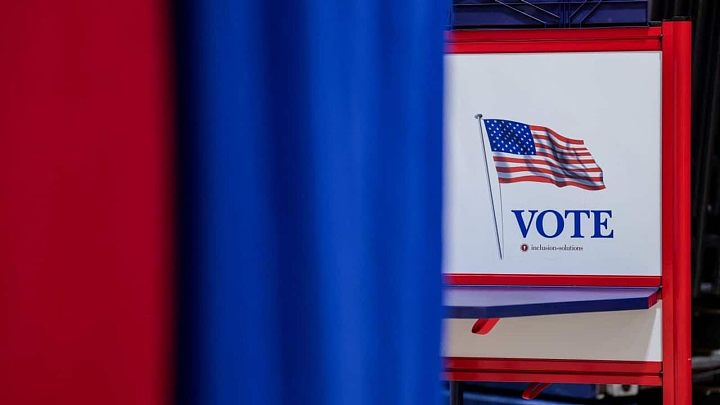
Because today is Election Day (Tuesday, November 3, 2026), the votes are currently being cast across the United States.
Initial Tally: Polls on the East Coast will begin closing around 6:00 PM Eastern Time (ET), at which point the earliest initial batches of results will start trickling in.
The Final Wave: Voting will conclude overnight, with the final polling stations closing in far western Alaska at 1:00 AM ET on Wednesday, November 4.
Delays are Normal: Determining the final winner in close races—like the highly competitive U.S. Senate races—may take anywhere from a few hours to several days. For example, election officials in crucial areas like Detroit, Michigan, estimate reporting roughly 95% of their ballots on election night, but note that the final tally depends heavily on the volume of mail-in and absentee ballots processed overnight.
WHO WINS AND WHAT DO THEY GET?
In a U.S. midterm election, control of the federal and state governments is entirely redrawn. Here is what is at stake and what the winning parties take home:
The House of Representatives: All 435 seats are on the ballot. The party that secures a majority (218 seats) wins complete control over the lower chamber of Congress. This includes the power to draft federal budgets, launch legislative investigations, and introduce all tax legislation.
The U.S. Senate: A total of 35 out of 100 seats are up for grabs. Winning control of the Senate gives a party the supreme authority to confirm or block the President’s executive cabinet appointments, federal agency heads, and lifelong judicial nominations (including the Supreme Court).
State Leadership: Beyond Washington, 36 state governorships are being decided. The winners of these races secure the executive authority to run state governments, sign or veto local laws, and manage state budgets.
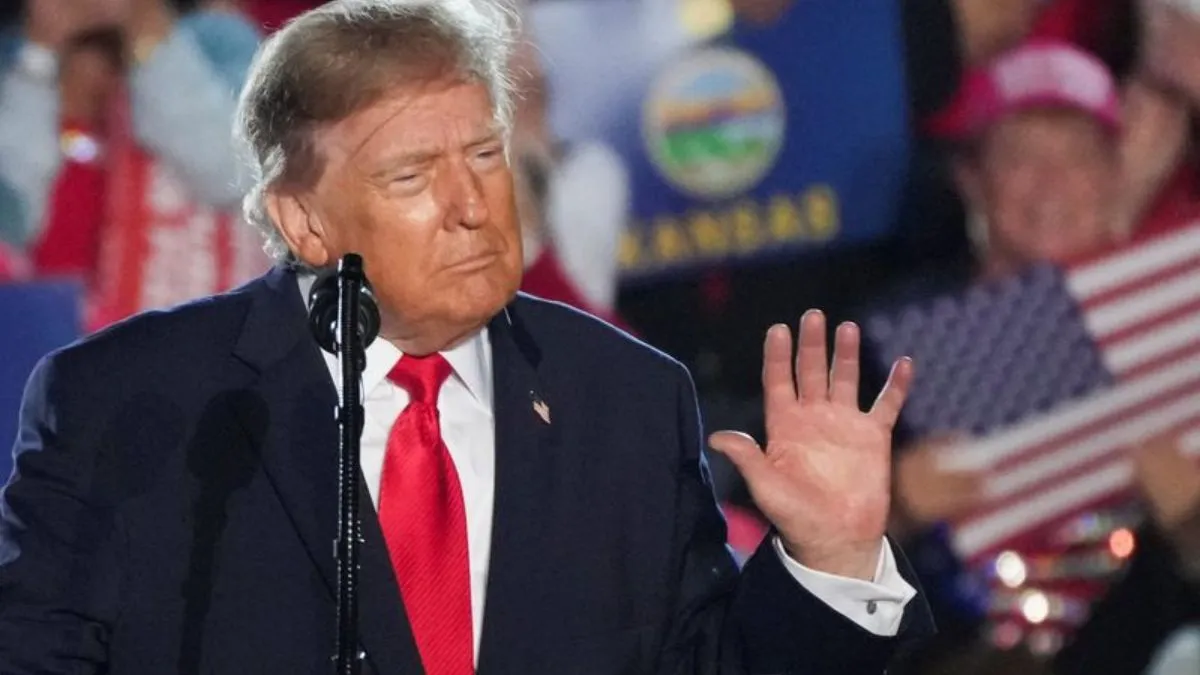
The Ultimate Prize: Legislative power. If the Republicans retain control, they secure a unified mandate to advance President Trump’s legislative agenda over the final two years of his term. If the Democrats flip either the House or the Senate, they secure the power to completely block conservative legislation, control federal spending, and heavily check executive branch actions.
POLITICAL STAKES & RATIONALE
According to polling data tracked in late October 2026 by ABC News, the Washington Post, and Ipsos, the national mood heavily favors the opposition party, with Democrats leading the generic congressional ballot by 8 points (50% to 42%) as President Trump’s approval ratings hit a low of 33%.
The massive infusion of capital from outside groups—particularly Super PACs, which make up over $5.5 billion of the total expenditures—reflects the razor-thin margins of control in Washington. Democrats are seeking to capitalize on historical midterm trends where the sitting president’s party typically loses ground, aiming to flip the House and net the four seats necessary to seize control of the Senate. Meanwhile, the Republican apparatus has used its multi-million dollar ad advantage to blanket suburban districts, heavily emphasizing economic issues like inflation, immigration, and national stability to preserve their legislative majorities.