From ‘Greatest Comeback’ To Midterm Setback: 3 Reasons Why Americans Lost Faith In Trump
In 2024, Donald Trump pulled off one of the greatest political comebacks in American history, returning to the White House for a second, non-consecutive presidential term. Two years later, his party has suffered a major
लेखक Saurabh Verma··83K पढ़े गए
From ‘Greatest Comeback’ To Midterm Setback: 3 Reasons Why Americans Lost Faith In Trump
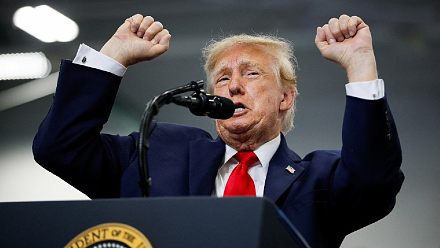
In 2024, Donald Trump pulled off one of the greatest political comebacks in American history, returning to the White House for a second, non-consecutive presidential term. Two years later, his party has suffered a major setback in the midterm elections, dealing a blow to his political standing and potentially leaving a lasting dent in his legacy.
Trump’s return to power was built on a series of promises: ending wars, fixing the economy, bringing order to the US-Mexico border and keeping America out of costly foreign entanglements. But his record in office has increasingly clashed with those pledges.
He failed to broker an end to the Russia-Ukraine war and eventually took the US into a direct military conflict with Iran, alongside Israel, its close ally in the region. His sweeping tariffs on foreign imports also strained relations with trading partners and raised concerns about their impact on American consumers.
The political pendulum has swung sharply in just two years. Following a bruising midterm election cycle that handed control of Congress to Democrats, the narrative surrounding Trump’s presidency has shifted from a historic comeback to a significant electoral setback.
Here are three key factors help explain why the administration lost ground, alienated sections of its support base and faced a voter backlash at the ballot box.
1. The Iran War And The Broken ‘No Wars’ Promise
One of the biggest challenges to Trump’s support among his own voters has come from his foreign policy.
During the 2024 campaign, Trump positioned himself as a candidate who could bring peace and end America’s involvement in what he repeatedly described as endless wars. He criticised previous administrations for committing American resources to overseas conflicts and promised to put US interests first.
That message has been tested by the administration’s decision to join Israel in military action against Iran. The conflict has raised questions among voters who supported Trump partly because of his promises to avoid new wars and reduce America’s overseas military commitments.
Also Read | US Midterms: Voters Blame Trump For High Prices And Economic Woes, Early Exit Polls Show
The consequences have also been felt beyond the battlefield. Tensions around the Strait of Hormuz, a critical route for global oil shipments, have threatened energy supplies and pushed up concerns about fuel prices, shipping costs and inflation.
For working-class Americans already struggling with the cost of living, the prospect of another prolonged conflict and its economic consequences has added to the administration’s political difficulties.
2. Tariffs That Added To The Cost Of Living
Another major pillar of Trump’s 2024 campaign was his promise to bring down prices and ease the financial pressure on American households.
However, his aggressive tariff policy has raised questions about whether the administration’s trade strategy is working in favour of consumers. Washington imposed steep duties on imports from several countries, including China and Mexico, as well as traditional trading partners.
While Trump argued that tariffs would protect American industries, encourage domestic manufacturing and force foreign governments to offer better trade terms, the policy also risked increasing costs for US businesses and consumers.
Tariffs are paid by importing businesses, which can pass some or all of the additional costs on to customers. This means higher duties can translate into more expensive everyday goods, electronics and other imported products.
For voters who backed Trump in the hope of getting relief from inflation, the prospect of higher prices created a clear disconnect between his campaign promises and the economic realities they faced.
Also Read | Trump Runs Out Of MAGA Magic: As America Paints The Midterms Blue, Here’s How The GOP’s Red Wall Crumbled
3. Domestic Overreach And Growing Friction With Voters
Trump’s domestic agenda has also created political friction, particularly over immigration enforcement and the use of executive power.
His administration’s aggressive immigration crackdown, including interior enforcement operations, has drawn criticism over its impact on immigrant communities and families. The approach has also risked alienating Hispanic and suburban voters who had moved towards the Republican Party in the 2024 election.
Beyond immigration, the administration has faced criticism over its confrontations with institutions, use of executive authority and the conduct of officials. These controversies have added to perceptions of a White House more focused on political battles than on addressing everyday concerns.
For voters who had supported Trump as a champion of ordinary Americans, the growing focus on domestic political confrontations may have further weakened his appeal.
The Road Ahead
Trump’s 2024 victory was powered by voter dissatisfaction with the economy, immigration and the direction of the country. But the midterm results suggest that the coalition that helped return him to the White House is not immune to disappointment.
The setback also marks a major political test for the president. With Democrats taking control of Congress, Trump’s ability to push through his legislative agenda could face greater resistance, while congressional investigations and oversight may intensify.
For a leader whose political career has been defined by comebacks, the midterm results serve as a reminder that electoral loyalty is not permanent. Voters may reward bold promises, but their support can quickly erode when they believe those promises have not translated into tangible improvements in their lives.