‘Adversely Affect Sovereignty’: India Backs UN Resolution To End Decades-Old US Embargo On Cuba
India on Thursday joined 129 other countries in backing a United Nations General Assembly resolution calling for an end to the decades-old US trade embargo against Cuba, reiterating its opposition to laws that “adversely
लेखक Prisha Vibhavari··76K पढ़े गए
‘Adversely Affect Sovereignty’: India Backs UN Resolution To End Decades-Old US Embargo On Cuba
India on Thursday joined 129 other countries in backing a United Nations General Assembly resolution calling for an end to the decades-old US trade embargo against Cuba, reiterating its opposition to laws that “adversely affect the sovereignty” of other nations.
Speaking ahead of the vote, Soumya Nair, a counsellor at India’s Permanent Mission to the UN, said New Delhi supported the Assembly’s appeal to countries to reject “laws and regulations with extraterritorial effects that adversely affect the sovereignty of other states and the progress and prosperity of their peoples”.
Reiterating India’s position, Nair said, “India reiterates the Assembly’s call to all states to refrain from promulgating and applying, and to repeal and invalidate such laws and measures in conformity with their obligations under the Charter of the United Nations and International Law”.
The resolution secured 130 votes in favour, with 17 countries opposing it and 25 abstaining, reflecting continued international support for lifting the restrictions imposed by Washington on Havana.
India Calls For Early Lifting Of Cuba Embargo
Nair underscored India’s commitment to resolving international disputes through multilateral engagement, saying, “India’s commitment to multilateralism is rooted in our belief that international challenges are best addressed through dialogue and diplomacy in accordance with the UN Charter”.
She added, “It is in this spirit that India hopes that the embargo will be lifted at the earliest, to help create an environment that would enable the people of Cuba to participate more fully in international cooperation and pursue their legitimate development aspirations”.
Highlighting the restrictions’ impact on ordinary Cubans, Nair said the country’s healthcare and food production sectors had been severely affected. According to her, “Cuba’s health system faces shortages of over 60% of essential medicines, while food production has declined by more than 50% over the past five years”.
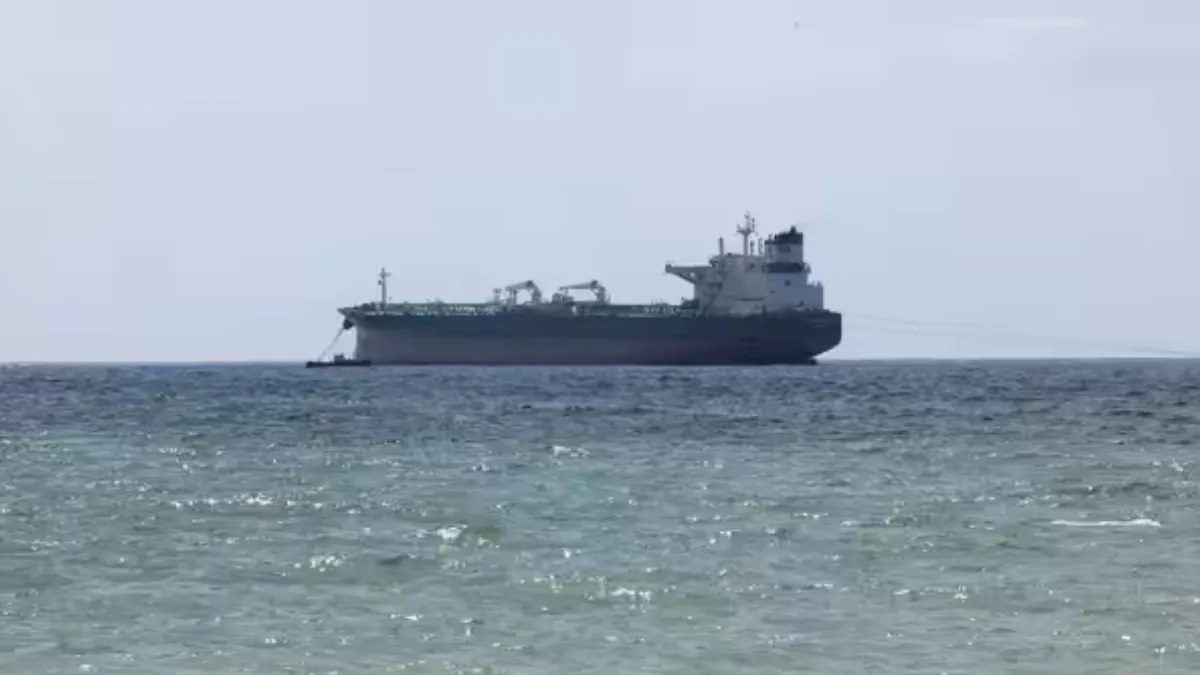
She also flagged the consequences of tighter restrictions on fuel shipments, which had “disrupted essential services, including healthcare, education, water supplies, food distribution and transportation”.
Tensions Flare At UN Over Cuba
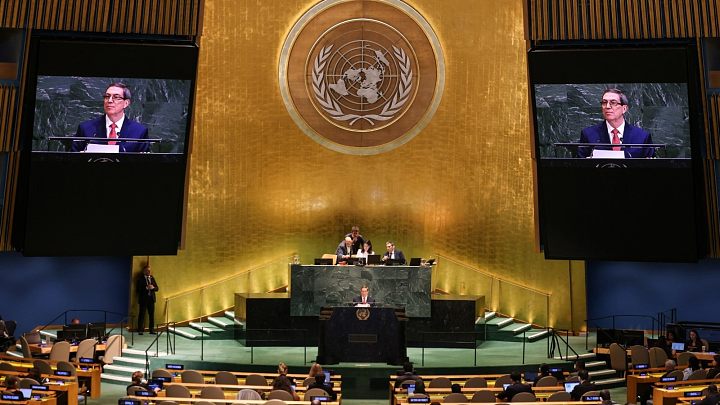
The vote came amid heightened tensions between US and Cuban representatives at the General Assembly, following a confrontation on Tuesday. Cuban Foreign Minister Bruno Rodriguez Parrilla approached the dais while US Permanent Representative Mike Waltz was speaking, challenging him during his address.
The disruption prompted Assembly President Khalilur Rahman to temporarily suspend proceedings in an effort to restore order.
The diplomatic fallout continued on Wednesday, when Washington expelled Richard Tur de la Concepcion, First Secretary of Cuba’s UN mission, over allegations that he had physically engaged with an American diplomat during the previous day’s incident, according to Waltz.
Defending the US decision, Waltz said, “If you lay a hand on an American diplomat in this body, there will be consequences,” adding, “That so-called diplomat today will be put on a plane back to Havana.”
The confrontation had erupted during Waltz’s remarks on alleged corruption within Cuba’s leadership.
The UN also expressed concern over the incident. Stéphane Dujarric, spokesperson for UN Secretary-General António Guterres, stressed the need to maintain order and follow established procedures during his Wednesday briefing.
“We expect every delegation to respect the decorum of the General Assembly’s hall and to respect the rules and procedures of the General Assembly,” Dujarric said.
He added that UN Safety and Security personnel had been deployed in greater numbers and “did a great job in ensuring that the situation did not get out of hand”.
US Embargo On Cuba
The United States has enforced a trade embargo against Cuba for more than six decades, with restrictions affecting trade and economic engagement across multiple sectors.
The measures date back to 1960, following escalating tensions between Washington and Havana after the Cuban Revolution, the nationalisation of American-owned assets and a growing economic rift between the two countries.
Although some restrictions were eased during the 2015-2017 rapprochement between the two sides, Washington subsequently tightened its sanctions.
US President Donald Trump’s administration has intensified pressure on the Cuban government since January, imposing what has been described as a de facto fuel blockade that has further strained the island’s economy and disrupted essential supplies.
The embargo has drawn repeated international criticism, with the UN General Assembly voting against it in successive years since 1992. The restrictions also have an extraterritorial dimension, affecting certain trade and commercial dealings involving third-country entities and Cuban interests.