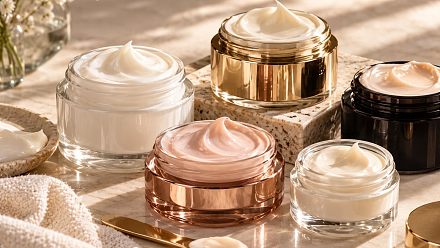
From cult-favourite luxury creams to science-led skincare, expensive moisturisers promise more than hydration. But are you paying for better ingredients, sophisticated formulations, a sensorial experience or simply the p
लेखक Consumer Trends Desk··7K पढ़े गए
What Extra Money Actually Buys In A Moisturiser
From cult-favourite luxury creams to science-led skincare, expensive moisturisers promise more than hydration. But are you paying for better ingredients, sophisticated formulations, a sensorial experience or simply the privilege of owning a very expensive jar?
There is something undeniably tempting about a moisturiser that costs ₹20,000 or more. The weighty glass jar, the silky texture, the carefully choreographed application ritual and the promise of smoother, plumper, more radiant skin can make skincare feel less like a daily necessity and more like a luxury experience.
But when a basic moisturiser can keep skin hydrated for a fraction of the price, what exactly does spending more buy you?
The answer is a mix of formulation, texture, research, packaging, brand heritage and, sometimes, marketing. Luxury moisturisers can offer sophisticated combinations of humectants, emollients, occlusives and active ingredients, but a higher price tag does not automatically translate into better results. Dermatologists generally emphasise the formula and its suitability for your skin over the prestige of the label.
The distinction matters because moisturising is fundamentally about helping the skin retain water and maintain its protective barrier. Ingredients such as glycerin and hyaluronic acid attract water, emollients soften the skin, and occlusives help reduce moisture loss. These functions are not exclusive to expensive skincare.
Where premium products can differentiate themselves is in the way these ingredients are combined, the elegance of the texture, the supporting research behind proprietary complexes, the experience of using the product and the additional ingredients targeting concerns such as uneven tone, fine lines or loss of firmness.
So, what are you really paying for?
1. A more sophisticated formula
Premium moisturisers may combine several moisturising agents with peptides, antioxidants, botanical extracts or proprietary ingredient complexes. The real question is whether those ingredients are present in useful concentrations, remain stable and deliver measurable benefits. A long ingredient list alone is not proof of superior performance.
2. Texture that makes you want to use it
This is one area where spending more can make a tangible difference to your experience. A cream might spread more easily, absorb without a greasy residue, layer elegantly under makeup or leave a particular soft, cushioned finish. These are formulation achievements, even if they don’t necessarily translate into better long-term skin health.
3. Research and proprietary technology
Brands may invest in ingredient research, stability testing and clinical studies of their formulations. Augustinus Bader, for instance, builds its skincare around its proprietary TFC8 complex. Such technologies can help distinguish a brand, but evidence for a specific formula matters more than the prestige of its scientific language.
4. The ritual, packaging and brand story
Heavy glass jars, elaborate packaging, signature scents and decades of brand heritage all contribute to the price. They can make a product feel special, but they don’t automatically make it more effective. Fragrance can also irritate some skin types, so a luxurious sensory experience isn’t always the best choice for sensitive skin.
5 expensive moisturisers worth knowing about
These are premium creams from five different brands, selected for their positioning, formulations and distinct approaches to skincare. Prices below are indicative Indian retail prices from available listings, not guaranteed Amazon prices. Amazon search links are provided to check current listings and sellers; stock and pricing can change.
1. La Mer Crème de la Mer | 100 ml
Best known for: Rich moisture and its signature Miracle Broth
La Mer’s flagship moisturiser is built around its signature fermented sea-kelp ingredient complex, known as Miracle Broth. Its rich, emollient formula is designed to soften skin, relieve dryness and leave it feeling supple.
What the extra money buys: A distinctive luxury formulation, a rich moisturising experience and the brand’s signature ingredient story. It is particularly positioned towards dry skin, but the price alone doesn’t establish superior results over less expensive creams.
2. Kiehl’s Super Multi-Corrective Cream
This anti-ageing moisturiser targets the appearance of wrinkles, uneven tone and skin texture. It gives the list a science-led skincare option from an established apothecary-inspired brand.
What the extra money buys: A multi-targeted formulation designed to do more than provide basic hydration.
A rich moisturiser positioned around visible wrinkles and skin conditioning. Its richer texture makes it a relevant choice for readers who want moisturising care alongside an anti-ageing-focused routine.
What the extra money buys: A targeted skincare formula from a brand known for its dermatologist-developed positioning.
4. Thalgo La Crème | 50 ml
Best known for: French marine skincare and premium anti-ageing care
Thalgo brings a marine-inspired approach to luxury skincare, drawing on the brand’s expertise in ocean-derived ingredients. La Crème sits towards the premium end of its moisturiser range, making it a suitable choice for a story exploring what a higher price tag actually buys.
What the extra money buys: A prestige French skincare formulation, a luxury application experience and the brand’s marine-skincare philosophy. As always, the price alone does not establish better results than a less expensive moisturiser.
5. Estée Lauder Revitalizing Supreme+ Youth Power Creme
Best known for: Moisture and visible anti-ageing benefits
Estée Lauder’s premium moisturiser targets concerns such as dryness, loss of radiance and the appearance of fine lines. Its appeal lies in combining daily moisturising with a broader anti-ageing skincare proposition, supported by the brand’s established research and product-development expertise.
What the extra money buys: A multi-benefit formula, a polished texture and a prestige skincare experience. The meaningful comparison is whether its formula suits your skin and offers benefits you can actually see, rather than whether it costs more than a basic cream.
Is an expensive moisturiser actually worth it?
The honest answer is: sometimes, but not simply because it is expensive. If your primary concern is dryness, tightness or a compromised skin barrier, a well-formulated moisturiser containing glycerin, ceramides, petrolatum or other effective emollients may deliver excellent results without a luxury price tag. If you want a particular texture, a more elaborate formula or additional ingredients aimed at visible signs of ageing, a premium cream may be worth exploring.
Three things are worth remembering:
Hydration is not the same as rejuvenation. Skin can look plumper and smoother when adequately moisturised, but that doesn’t mean a cream has reversed ageing.
Packaging is not performance. An elegant jar can enhance the experience, but it doesn’t tell you how well the formula works.
Your skin matters more than the price. A rich cream that feels wonderful on dry skin may be too heavy for someone prone to clogged pores. Fragrance and other ingredients can also trigger irritation.
Ultimately, the best reason to spend more on a moisturiser is that you genuinely prefer its formulation and experience, and that it delivers benefits relevant to your skin. The most expensive jar on your shelf isn’t necessarily the one doing the most for it.