Over 7,000 Students Aged 18-25 Test HIV Positive In Karnataka: Why The State Govt Is Conducting Mandatory HIV Camps In Colleges
Karnataka has recorded a sharp rise in HIV infections among young people, with more than 7,000 students and individuals aged 18 to 25 recently testing positive for the virus. The figures have prompted the state governmen
लेखक Tanya Dutt··25K पढ़े गए
Over 7,000 Students Aged 18-25 Test HIV Positive In Karnataka: Why The State Govt Is Conducting Mandatory HIV Camps In Colleges
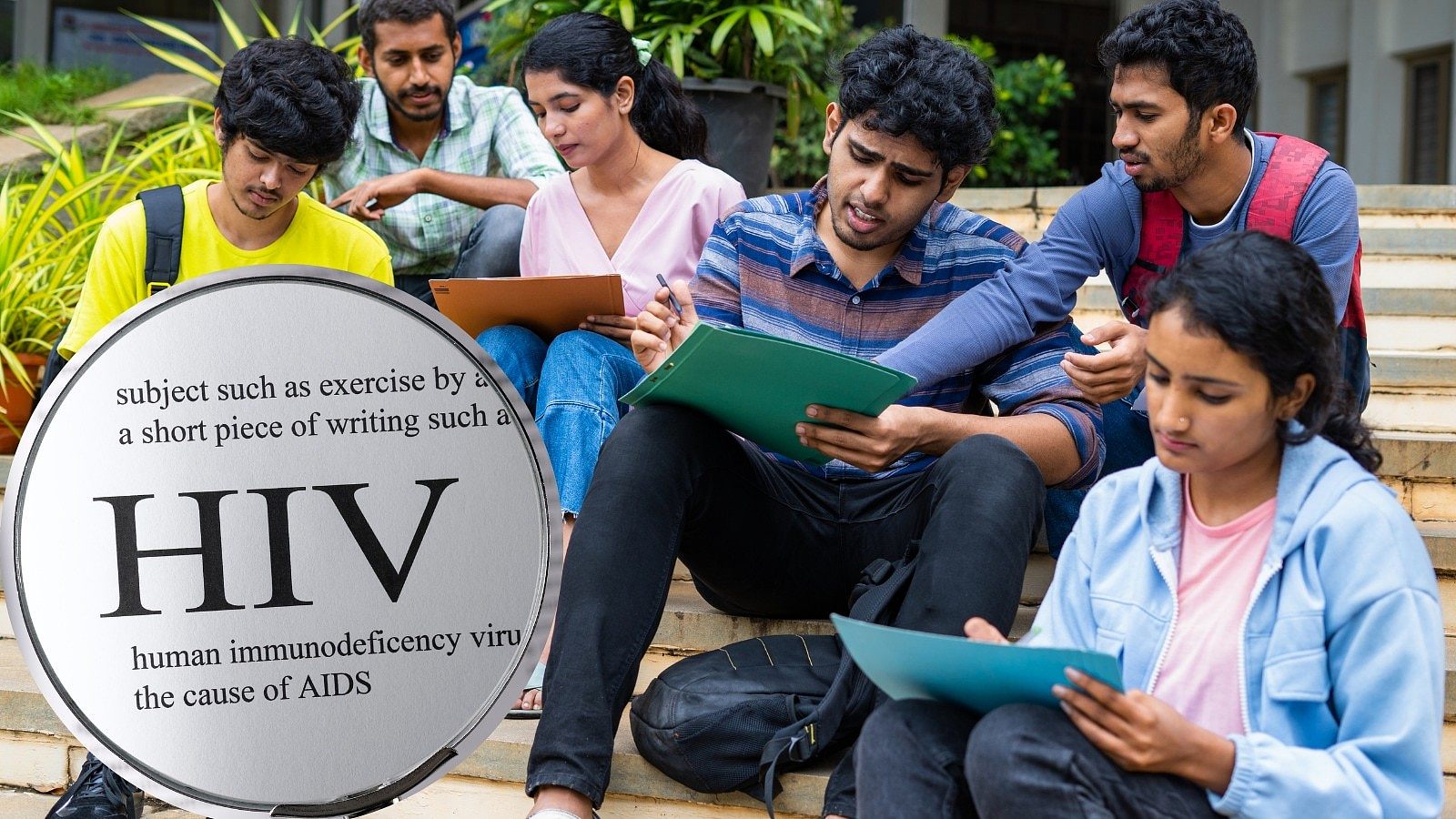
Karnataka has recorded a sharp rise in HIV infections among young people, with more than 7,000 students and individuals aged 18 to 25 recently testing positive for the virus. The figures have prompted the state government, acting on a directive from the Karnataka State AIDS Prevention Society (KSAPS), to mandate HIV testing and counselling camps across all colleges — government, aided and private.
According to National AIDS Control Organisation (NACO) data, Karnataka ranks third in the country for the number of people living with HIV. The state currently has approximately 2,60,000 people living with the virus, of whom about 2,05,000 are receiving antiretroviral therapy (ART).
In a move, led by the Karnataka State AIDS Prevention Society (KSAPS), comes amid broader concerns over rising HIV infections among young adults and the challenge of identifying people who are unaware of their HIV status. According to state officials, Karnataka has an estimated 56,406 people who do not know they are living with HIV, making early testing and diagnosis a public health priority.
Why Are HIV Cases Rising Among Young People in Karnataka?
Data show the infection is spreading most rapidly among those aged 18 to 35. The number of HIV-positive individuals in this age group rose from 44,500 in 2023-24 to 66,600 in 2025-26. Officials note that awareness about transmission routes remains inadequate among the young, with many still unaware that unprotected sex, including between men, carries risk.
Low rates of voluntary testing, driven by stigma, fear of discrimination, and a belief that one is “not at risk,” further compound the problem.
What Steps Has the Karnataka Government Taken?
Integrated Health Camps for HIV testing, screening and counselling will be organised in engineering and degree colleges, with Visvesvaraya Technological University (VTU) and the Department of Collegiate Education involved in the rollout. Red Ribbon Clubs in colleges are already being used for debates, skits and awareness activities.
KSAPS has also launched the Mobilisation for AIDS Suraksha (MAS) campaign under the national “Know Your Status” message. A BreakFree QR code links users to a confidential self-risk assessment tool (available at breakfreeindia.org), nearby testing centres and counsellors, while protecting identity under the HIV and AIDS (Prevention and Control) Act, 2017.
Under the new initiative, HIV testing and counselling camps will be conducted across government, aided and self-financing colleges in collaboration with KSAPS.
The aim is to:
Detect HIV infections early
Offer confidential counselling
Improve awareness about HIV prevention
Reduce stigma surrounding HIV testing
Link those who test positive to free treatment services
Authorities have also introduced a confidential digital risk assessment platform that students can access through QR codes placed at colleges and public centres to help them understand their HIV risk and seek testing when needed.
How is HIV Transmitted?
HIV spreads through specific body fluids from a person living with HIV.
Common modes of transmission include:
Unprotected sexual contact
Sharing contaminated needles or syringes
Mother-to-child transmission during pregnancy, childbirth or breastfeeding without appropriate treatment
Transfusion of infected blood, although blood screening has made this extremely rare in India
Importantly, HIV does not spread through:
Hugging
Shaking hands
Sharing food or utensils
Mosquito bites
Casual social contact
Understanding these facts is essential to reducing stigma and encouraging more people to seek testing.
Can HIV be Treated?
Yes, although there is currently no cure for HIV, it is a manageable chronic condition.
Antiretroviral therapy prevents the virus from multiplying, protects the immune system and dramatically improves life expectancy.
People who adhere to treatment and achieve sustained viral suppression can live healthy lives and greatly reduce the chance of passing the virus to others.
Health authorities emphasise that prevention messages must reach everyone regardless of sexual orientation, and that the first critical step remains knowing one’s HIV status. The college camps and digital outreach tools are designed to close the detection gap among young people while reducing stigma and expanding access to free testing and treatment.