Monsoon Is Changing The Way Indian Parents Care For Their Babies
For most families, the arrival of the monsoon is synonymous with cooler weather and puddle-filled adventures. But for parents of infants and young children, it also brings a new set of concerns. Persistent humidity, damp
लेखक Swati Chaturvedi··12K पढ़े गए
Monsoon Is Changing The Way Indian Parents Care For Their Babies
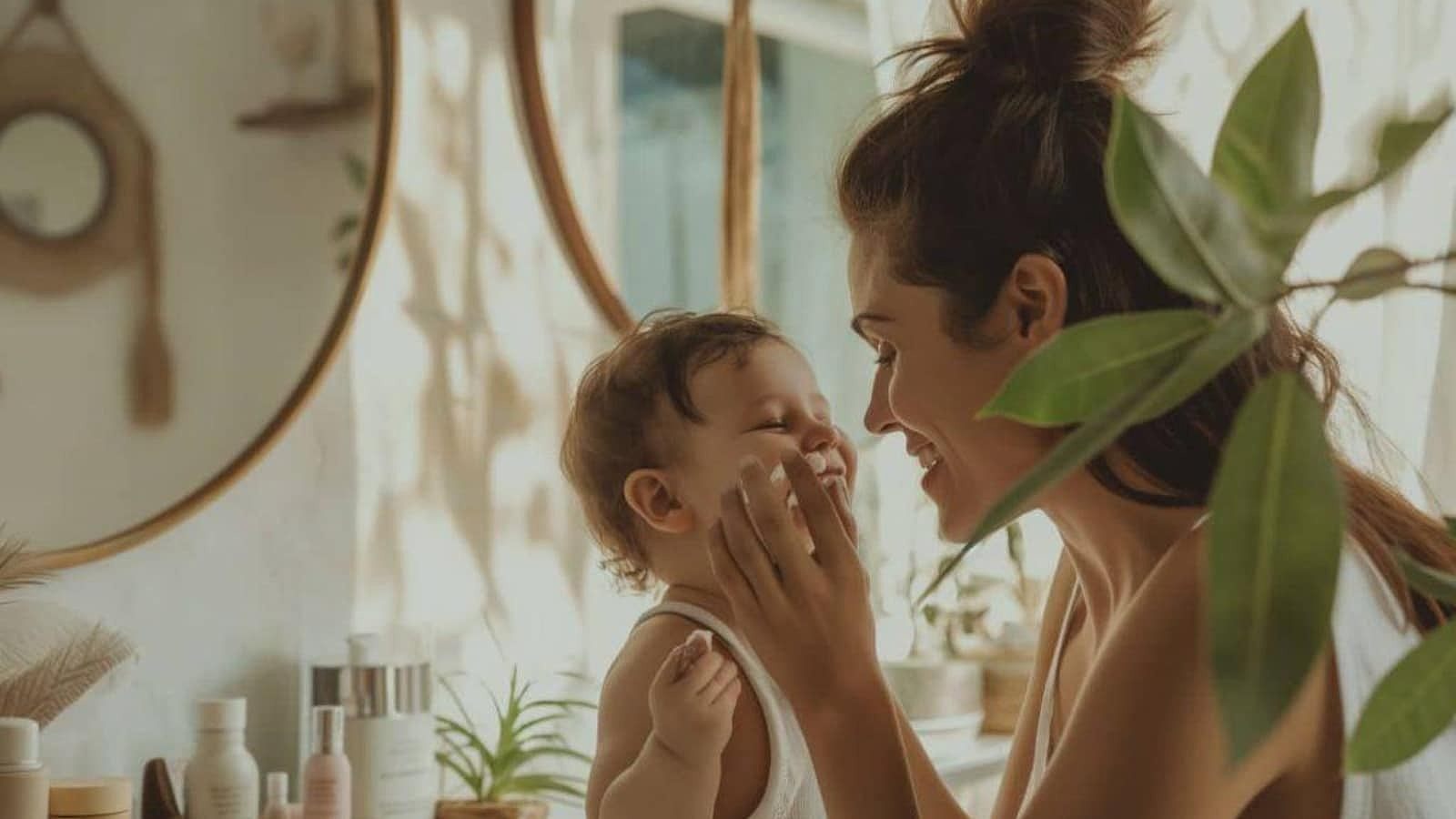
For most families, the arrival of the monsoon is synonymous with cooler weather and puddle-filled adventures. But for parents of infants and young children, it also brings a new set of concerns. Persistent humidity, damp clothing and fluctuating temperatures can make babies more susceptible to skin irritation, rashes and discomfort, prompting parents to become far more intentional about the products they use and the clothes they buy.
The shift goes beyond simply choosing products labelled “natural” or “chemical-free.” Today’s parents are looking for ingredient transparency, science-backed formulations and everyday essentials that are gentle on a child’s delicate skin while standing up to the demands of the season.
Why Monsoon Demands Extra Care
Dr Vivek Jain, Senior Director & Unit Head, Paediatrics, Fortis Hospital, Shalimar Bagh, Delhi, feels babies require additional skin care during the rainy season because their skin is naturally thinner and more vulnerable than an adult’s.
“While the rainy season can be amazing in combating heat, it can also lead to skin problems for infants. This is because the extra humidity and moisture may raise moisture levels, cause infections, create skin irritations and cause diaper rash. Infants have skin that is much thinner than that of adults. Hence, they need extra care when it comes to skin care during that time,” he explains.
Dr. Jain notes that good skincare during the monsoon isn’t just about choosing the right products. Frequent diaper changes, gentle cleansing, dressing babies in soft cotton clothing and ensuring proper ventilation at home are equally important. He also advises parents to patch-test new products before regular use and consult a doctor if redness, rashes or irritation persist.
Ingredient Labels Matter More Than Ever
That heightened awareness is also reshaping how parents shop. Dr. Himanshu Gandhi, CEO and co-founder, Mother Sparsh, believes modern parents are far more informed than previous generations, carefully examining ingredient lists before making purchasing decisions.
“Brands today have the privilege of serving a generation of parents who engage with genuine care and curiosity,” he says. “Purchasing behaviour itself has transformed: ingredient labels are read closely, almost forensically, and familiar additives such as parabens, sulphates, synthetic fragrances and mineral oils are deliberately avoided. In their place, parents are seeking out simple, natural alternatives that safeguard delicate skin without compromise.”
For Gandhi, this isn’t simply another consumer trend but evidence of a larger movement towards intentional parenting, where safety, ingredient transparency and sustainability are becoming just as important as product performance.
He adds that monsoon-friendly skincare should help preserve the skin’s natural barrier by maintaining moisture balance despite constant exposure to humidity and dampness. Looking ahead, he believes the future of baby care will be shaped by the convergence of rigorous scientific research and thoughtfully developed natural formulations.
Gentle Formulations Are Taking Centre Stage
As concerns around baby skincare grow, parents are also becoming more selective about the kinds of ingredients they welcome into their daily routines.
Swagatika Das, co-founder and CEO, Nat Habit, says monsoon is one of the seasons that places the greatest stress on a baby’s developing skin barrier.
“Humidity, dampness and shifting temperatures can easily disrupt a delicate skin barrier that’s still developing. This is exactly when parents become most mindful of what they’re using, they want products that are gentle, safe and don’t compromise on efficacy just because the weather is unpredictable,” she says.
Das believes today’s consumers are seeking products that combine traditional wisdom with modern expectations of quality and performance. She points to Ayurvedic ingredients such as raw milk, desi ghee and herb-infused oils as examples of nourishing formulations designed to support delicate skin through seasonal changes.
She also notes that sustainability is becoming part of the conversation, with parents increasingly paying attention not only to formulations but also to environmentally responsible packaging.
“Parents today are conscious consumers first, and that’s a responsibility we take seriously in how we formulate and package every product,” she says.
Conscious Choices Extend Beyond Skincare
The growing emphasis on mindful parenting isn’t limited to lotions, oils and cleansers. It is increasingly influencing how parents shop for children’s wardrobes as well.
According to Team Ed-a-Mamma, the rainy season has changed what families expect from kidswear.
“Beyond playful designs, parents are looking for clothing that can withstand frequent washes, changing weather and active play. They also want garments that remain breathable, gentle on the child’s skin and durable enough to last beyond a single season.”
Rather than buying more, many families are choosing fewer, better-made pieces that balance comfort with environmental responsibility.
The brand says this philosophy is reflected in its use of natural fabrics, AZO-free non-toxic dyes, GOTS-certified organic cotton for infants, nickel-free trims, plastic-free buttons and tag-free necklines. Every garment also includes a #PlantABeej seedball, encouraging children to develop an early connection with nature.
“As this mindset continues to evolve, mindful and durable kidswear will become less of a niche preference and more of an everyday expectation for parents,” the team adds.
A More Thoughtful Approach To Parenting
If there is one defining characteristic of today’s parenting landscape, it is intentionality. Whether it’s checking ingredient labels on baby lotions, choosing formulations that support the skin barrier during humid weather, or investing in breathable clothing made from natural fabrics, parents are making choices with greater care than ever before.
The monsoon may be temporary, but the habits it reinforces, prioritising safety, transparency, durability and sustainability are shaping a new generation of purchasing decisions. As brands, doctors and parents increasingly align around these values, baby care is evolving from a seasonal necessity into a more thoughtful, informed way of raising children.