Monsoon Health Alert: Why That Musty Smell After The Rains Could Be Triggering Allergies, Asthma And Damaging Your Lungs
Have you noticed a damp, earthy smell in your bedroom, wardrobe or living room since the rains arrived? While many people dismiss it as a seasonal inconvenience, experts say that lingering musty odours are often an early
लेखक Tanya Dutt··5K पढ़े गए
Monsoon Health Alert: Why That Musty Smell After The Rains Could Be Triggering Allergies, Asthma And Damaging Your Lungs
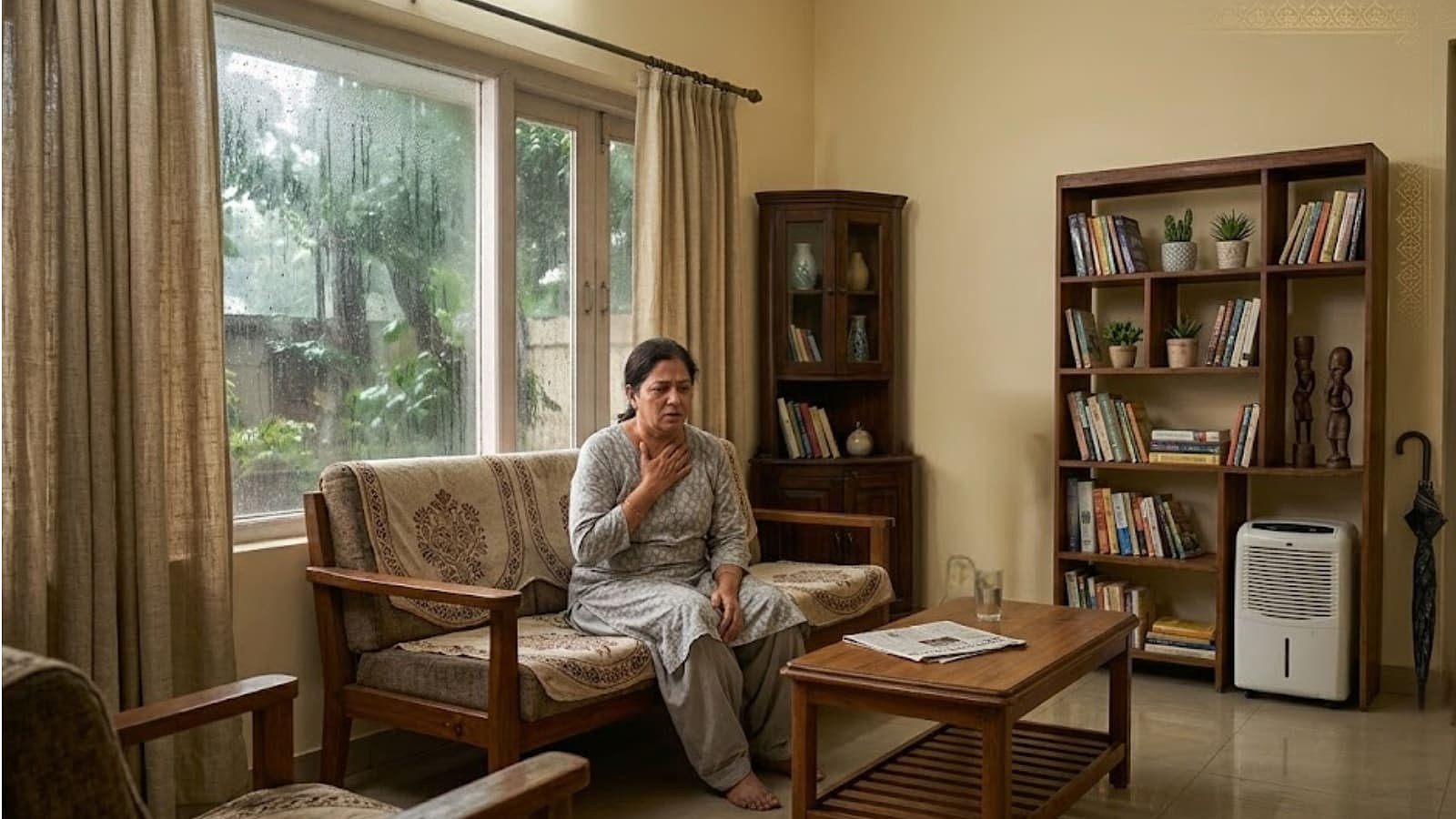
Have you noticed a damp, earthy smell in your bedroom, wardrobe or living room since the rains arrived? While many people dismiss it as a seasonal inconvenience, experts say that lingering musty odours are often an early warning sign of hidden moisture and mould growth. Left unchecked, these can silently damage your home’s interiors while also affecting the air you breathe, increasing the risk of allergies, asthma flare-ups and other respiratory problems.
According to the World Health Organization (WHO), people living in damp or mouldy indoor environments face a higher risk of respiratory symptoms, asthma, allergic reactions and respiratory infections. During the monsoon, indoor humidity levels often rise well above the recommended range of 30 to 50%, allowing mould spores to thrive on walls, furniture, curtains and even inside wardrobes. While most of us simply spray an air freshener to get the smell out, it rarely goes away.
A major longitudinal study, the Espoo Cohort Study published in the American Journal of Epidemiology, found that long-term exposure to residential dampness and mould significantly raises the risk of severe respiratory tract infections over decades. Clinical reviews from the European Respiratory Society further link prolonged exposure to hypersensitivity pneumonitis, airway inflammation, chronic cough, worsened asthma or COPD, and in severe cases, conditions like aspergillosis.
How Does Indoor Mould Actually Affect Your Lungs?
Breathing air in a damp, mouldy home means you may be inhaling millions of microscopic mould spores, not just noticing an unpleasant smell. These tiny particles can travel deep into the respiratory tract. While a healthy immune system can usually clear occasional spores, repeated exposure may cause airway inflammation, breathing difficulties and, in severe cases, long-term lung damage.
The symptoms often begin subtly with sneezing, watery eyes or a persistent throat irritation before progressing to a chronic cough, wheezing and chest tightness. For people with asthma or chronic obstructive pulmonary disease (COPD), mould exposure can trigger serious flare-ups requiring medical attention.
When mould spores bypass the body’s natural defences, they can settle in the deeper parts of the lungs. This may start with mild symptoms that feel like a seasonal allergy, a persistent tickle in the throat, sneezing or watery eyes. Over time, however, the irritation can trigger bronchospasms, chest tightness, wheezing and a cough that refuses to clear. For people already living with asthma or other respiratory conditions, even short periods in a damp room can provoke sharp flare-ups.
Damp indoor environments are linked to poorer air quality because mould spores and fungal particles circulate through the air. Breathing them in may trigger:
Persistent coughing
Sneezing
Wheezing
Nasal congestion
Eye and throat irritation
Worsening asthma symptoms
Allergic reactions
Increased risk of respiratory infections
People with chronic lung disease, allergies or compromised immunity are particularly vulnerable. Even healthy individuals may experience irritation after prolonged exposure to mouldy indoor air.
What Are The Earliest Signs That Your Home Has Excess Moisture?
Visible mould is often the last sign rather than the first. Interior Designer, Monica Chawla, Essentia Environments says homeowners should watch for subtle changes.
“Soft furnishings are more exposed because upholstery, rugs and drapery absorb moisture first and show it fastest. A musty smell or even a slightly heavier drape is often the earliest warning sign in a room,” she explains.
Wood also reacts quickly to seasonal humidity.
“Handcrafted wooden furniture naturally expands a little during the monsoon and usually returns to its original shape once the air dries. The concern begins only when it doesn’t recover after the season. Good joinery and well-seasoned timber accommodate this movement well, but furniture should always be kept away from damp walls and allowed to breathe,” Chawla adds.
Which Areas Of Your Home Trap The Most Moisture?
Some of the dampest areas are also the least visible. Closed wardrobes, cabinets, storage units and corners with poor ventilation tend to trap humid air, creating ideal conditions for mould.
“Wardrobes and cabinetry trap moisture because they’re cut off from the airflow protecting the rest of the room. A moisture absorber placed inside, or simply leaving wardrobe doors open for an hour every day, can prevent the musty smell that no amount of good design can hide,” says Chawla.
Bathrooms, kitchens, basements, laundry areas and rooms with limited sunlight also require extra attention during the rainy season.
What Should Homeowners Watch For Beyond the Smell?
Damp patches on walls, peeling paint or finishes that never fully dry are early signals that moisture is penetrating the building envelope. Ignoring them allows the problem to deepen year after year.
“A damp patch or peeling finish is an early signal, not just a cosmetic issue. Ignoring it only increases repair costs over time. Preventive maintenance isn’t separate from good design; it’s an essential part of it,” Chawla says.
Doctors agree that the healthiest homes are those designed and maintained with airflow, moisture control and preventive care in mind.