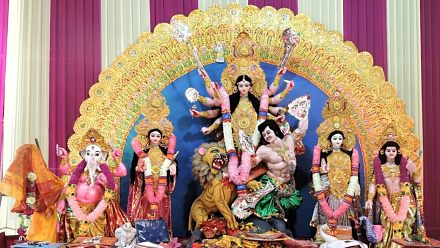
Maha Ashtami 2026: Puja Time, Pushpanjali And Sandhi Puja, What Are The Key Rituals Of Durga Ashtami?
Maha Ashtami 2026 Puja Time, Pushpanjali and Sandhi Puja: Maha Ashtami, also known as Durga Ashtami, will be observed on Monday, October 19, 2026, during Sharadiya Navratri. Dedicated to Goddess Durga, the eighth day of
लेखक Nibandh Vinod··10K पढ़े गए
Maha Ashtami 2026: Puja Time, Pushpanjali And Sandhi Puja, What Are The Key Rituals Of Durga Ashtami?
Maha Ashtami 2026 Puja Time, Pushpanjali and Sandhi Puja: Maha Ashtami, also known as Durga Ashtami, will be observed on Monday, October 19, 2026, during Sharadiya Navratri. Dedicated to Goddess Durga, the eighth day of Navratri holds special significance for devotees who perform traditional puja, offer flowers through Pushpanjali and observe Sandhi Puja during the sacred transition between Ashtami and Navami Tithis.
According to Drik Panchang, the Ashtami Tithi begins at 8:27 AM on Sunday, October 18, and ends at 10:51 AM on Monday, October 19. Sandhi Puja, one of the most significant rituals associated with this occasion, is scheduled for 10:27 AM to 11:15 AM on October 19.
This year, Maha Ashtami and Maha Navami are both observed on October 19, while Vijayadashami, also known as Dussehra, falls on Tuesday, October 20.
Maha Ashtami 2026: Date and Puja Timings
Maha Ashtami is observed on the eighth lunar day of the bright fortnight of the Hindu month of Ashwin. Devotees worship Goddess Durga and seek blessings for strength, prosperity, protection and well-being.
Here are the key timings according to Drik Panchang for the 2026 observance:
Maha Ashtami: Monday, October 19, 2026
Ashtami Tithi Begins: Sunday, October 18, at 8:27 AM
Ashtami Tithi Ends: Monday, October 19, at 10:51 AM
Sandhi Puja Muhurat: Monday, October 19, from 10:27 AM to 11:15 AM
Sandhi Puja Duration: 48 minutes
Maha Navami: Monday, October 19, in calendars following the stated tithi timings
Vijayadashami or Dussehra: Tuesday, October 20, 2026
What Is the Significance of Maha Ashtami?
Maha Ashtami is among the most important days of Sharadiya Navratri. Devotees worship Goddess Durga as a symbol of divine power and the triumph of good over evil. In traditions that worship the Navadurga, the eighth form of the Goddess is Mahagauri.
Temples and households mark the occasion with prayers, offerings, devotional songs and special rituals. Many devotees observe a fast and participate in community worship. In several regions, Maha Ashtami is also associated with Kumari Puja, in which young girls are honoured as manifestations of the divine feminine.
The day is particularly significant in the Durga Puja traditions of eastern India, where elaborate worship and Pushpanjali ceremonies form an important part of the celebrations.
Pushpanjali on Maha Ashtami 2026: Ritual and Significance
Pushpanjali is a sacred floral offering made to Goddess Durga during worship. Devotees generally hold flowers, often accompanied by sacred leaves, in their cupped hands while priests recite Sanskrit mantras. The flowers are then offered to the Goddess as an expression of devotion and surrender.
During Durga Puja, Pushpanjali is often performed collectively at temples and community pandals. Devotees follow the priest’s instructions and repeat the prescribed mantras before offering the flowers.
How Is Pushpanjali Performed?
Devotees bathe and wear clean clothes before participating in the puja.
Flowers and other prescribed offerings are prepared for the ritual.
The priest invokes Goddess Durga and recites the relevant mantras.
Devotees hold the flowers in their hands and repeat the prayers.
The flowers are offered at the Goddess’s feet at the instructed time.
Pushpanjali is commonly conducted during the morning worship, but its precise timing depends on the temple schedule, local panchang and family tradition.
Sandhi Puja 2026: Muhurat, Duration and Significance
Sandhi Puja is a special ritual performed at the transition from Ashtami Tithi to Navami Tithi. The word ‘sandhi’ refers to a junction or meeting point.
According to Drik Panchang, the Sandhi Puja muhurat on October 19, 2026, is from 10:27 AM to 11:15 AM, lasting 48 minutes.
Traditionally, this period comprises the final 24 minutes of Ashtami and the first 24 minutes of Navami. The ritual is associated with the belief that Goddess Chamunda manifested during this sacred juncture to defeat the demons Chanda and Munda.
Sandhi Puja Rituals
Sandhi Puja is performed with special prayers and offerings to the Goddess. Depending on the regional tradition, the observance may include:
Lighting 108 earthen lamps or other prescribed lights.
Offering flowers and devotional items to Goddess Durga.
Chanting mantras and performing special worship.
Offering bhog according to the temple or family custom.
Observing traditional forms of bali, where prescribed by the particular tradition.
Some communities follow symbolic offerings, such as a pumpkin or other vegetable, instead of animal sacrifice. Practices vary considerably across regions and religious traditions.
Devotees who wish to participate in Sandhi Puja should arrive before the scheduled muhurat and follow the instructions of their temple priest.
Other Important Maha Ashtami Rituals
Mahasnan and Shodashopachar Puja
Mahasnan is a ceremonial purification ritual performed as part of the worship. Shodashopachar Puja involves sixteen traditional forms of service and offerings to the Goddess, with the specific procedure varying by tradition.
Kumari Puja
Kumari Puja involves worshipping a young girl as a symbolic manifestation of the divine feminine. The ritual reflects reverence for feminine energy and purity. The age of the girl and the method of worship vary according to regional customs.
Navpatrika and Kalash Puja
Navpatrika worship is particularly associated with Bengali Durga Puja traditions and involves the ritual worship of a group of plants representing divine forms. Kalash Puja involves invoking the presence of the divine in a consecrated pot filled and decorated according to prescribed customs.
Maha Navami Homa 2026: What Devotees Should Know
Maha Navami worship follows Maha Ashtami and is associated with prayers, offerings and havan in many traditions. Because the Navami Tithi begins at 10:51 AM on October 19, some Navami rituals may take place later that day.
Kanya Pujan 2026: October 19 or October 20?
Kanya Pujan, also known as Kanjak Puja in some regions, is traditionally observed on Maha Ashtami or Maha Navami. It involves honouring young girls as embodiments of Goddess Durga and offering them food, gifts or other customary items.
In 2026, the overlap of Ashtami and Navami on October 19 has led to questions about the appropriate day for the ritual. Some families may perform Kanya Pujan on October 19, while others observe it on October 20 according to their Navami or sunrise-based tradition.
Navami Tithi is expected to continue into October 20, ending at approximately 12:50 PM.
When Is Navratri Parana in 2026?
Parana refers to breaking a religious fast. The timing depends on the fast being observed and the applicable tithi rules. Devotees observing an Ashtami fast may follow different rules from those observing a Navami fast.
Vijayadashami or Dussehra falls on Tuesday, October 20, 2026, marking the festival’s wider celebration of the triumph of good over evil.