Less, But Better: Why Fashion Is Rethinking The Modern Wardrobe
What if the next big shift in fashion isn’t about having more, but about asking more of what we already own? As wardrobes become increasingly fluid, the old boundaries between workwear, occasion dressing, travel clothes
लेखक Swati Chaturvedi··6K पढ़े गए
Less, But Better: Why Fashion Is Rethinking The Modern Wardrobe
What if the next big shift in fashion isn’t about having more, but about asking more of what we already own? As wardrobes become increasingly fluid, the old boundaries between workwear, occasion dressing, travel clothes and everyday staples are beginning to blur. The modern wardrobe has to keep up with lives that refuse to fit neatly into categories and fashion is responding with clothes designed to do more.
This is where intelligent design enters the picture. It is less about futuristic technology and more about thoughtful details: silhouettes that adapt, fabrics that perform, construction that lasts and pieces that can be styled in more than one way. In an era when consumers are becoming more discerning about what deserves space in their wardrobes, versatility is becoming its own kind of luxury.
The future of fashion, increasingly, may be about designing better rather than simply buying more.
For Kidswear, The Best Design Is The One That Grows With You
For children’s clothing, intelligent design has an entirely different brief. An adult wardrobe needs to move from office to airport to dinner. A child’s wardrobe has to move through a growth spurt, a school year, a monsoon and sometimes into the wardrobe of a younger sibling.
Yagn Ruparelia, founder, Silly Fish, puts it neatly, “An adult wardrobe is asked to move sideways, office to airport to dinner. A child’s wardrobe is asked to move forward.” That means the most important design decisions are often the ones that aren’t immediately visible. Deeper hems that can be let down, ribbing that recovers instead of losing its shape, dropped shoulders and relaxed waistbands that can accommodate more than one size.
“These are unglamorous decisions and they are the entire difference between a garment worn eleven times and one worn two hundred,” says Ruparelia.
It is an idea that challenges the traditional fashion hierarchy, where the visible often takes precedence over the functional. Here, the intelligence is in the construction.
The Fabric Has To Keep Up, Too
The most beautiful garment in the world won’t become a wardrobe favourite if it isn’t comfortable. For Silly Fish, that means choosing fabrics with everyday life and India’s climate in mind. Cotton-linen, cotton twill, slub jersey and waffle natural fibres form part of the vocabulary.
“We design for 42°C in May, not for a photograph,” says Ruparelia. The distinction is telling. Fashion photography captures a moment; clothing has to survive everything that happens after the image is taken.
A child may never say that a shirt is uncomfortable. They will simply stop wearing it. And once a garment is abandoned, its potential disappears along with it. Intelligent design, then, begins with understanding how people actually live.
Sometimes, Less Is More
There is another kind of intelligence at work: restraint. Narrow, neutral palette, allowing the personality of a garment to emerge through smaller details, engraved buttons, contrast overcast stitching or a flash of colour inside a pocket. The absence of overt graphics and slogans is deliberate.
“A piece with no cartoon and no slogan is not locked to an occasion,” explains Ruparelia. “The same shirt goes to school, to a wedding, onto a flight. Versatility comes from what we leave out.”
It is a philosophy that feels increasingly relevant beyond children’s wardrobes. In a fashion landscape saturated with micro-trends, the ability of a piece to exist outside a particular season or aesthetic can be its greatest strength.
The New Wardrobe Has No Dress Code
For adults, intelligent design begins with a similarly simple premise: clothes should work around your life. At GAIA by Archie, a multi-designer destination bringing together Indian, contemporary and Western designers, founder Archie has observed a growing appetite for pieces that can move between different versions of the modern day.
“The future of fashion, to me, is really about creating a wardrobe that works around your life, rather than the other way around,” says Archie.
A woman may move from a meeting to a flight, a lunch to an evening event, or a weekday office to a weekend celebration without necessarily changing her entire wardrobe. The pieces that accommodate those transitions naturally begin to feel more valuable.
It is why versatility is increasingly becoming part of the luxury conversation.
One Piece, Many Possibilities
The idea doesn’t mean that fashion needs to become anonymous or utilitarian. Quite the opposite. For Archie, the most compelling pieces still have a strong identity. The difference is that they aren’t restricted to a single interpretation.
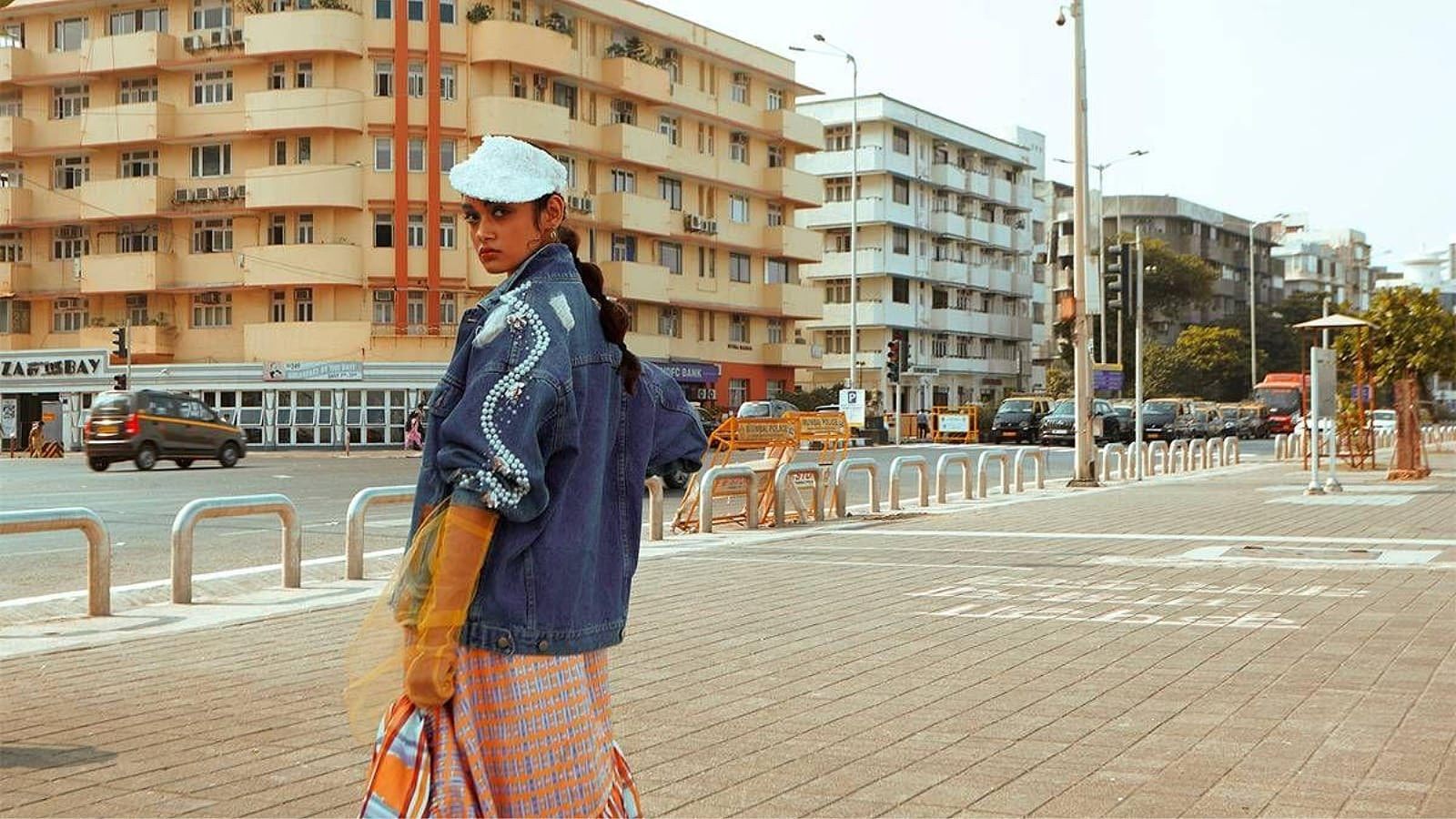
“A beautifully constructed jacket, for instance, can be styled with separates for work, worn over a dress for an evening out or paired with denim while travelling,” she says. Indian silhouettes, too, can be reinterpreted in contemporary ways depending on the occasion.
The garment becomes a kind of styling canvas, its personality remains intact, but the wearer gets to decide what it means.
That freedom is increasingly important to a customer who doesn’t want to reinvent their wardrobe every time the occasion changes.
From Statement Pieces To Wardrobe Pieces
For decades, fashion has celebrated the thrill of the new: the seasonal purchase, the statement piece, the outfit designed for a particular moment. But the contemporary customer is beginning to ask a different question: How many lives can this piece have?
A jacket that works with tailored trousers and denim. A dress that can move from day to night. An Indian silhouette that can be styled traditionally or worn with contemporary separates. A child’s shirt that can survive a growth spurt and still be passed on.
The value of a garment increasingly lies in its ability to keep surprising its owner.
And that changes the meaning of a statement piece. Perhaps the most desirable clothes of the future won’t be the ones that demand to be worn once, but the ones that make you want to wear them again.
Sustainability, Without The Slogan
The conversation around longevity inevitably leads to sustainability, but intelligent design offers a more practical way into that conversation.
In kidswear, the equation is particularly clear. If a garment accommodates growth, withstands repeated wear and can eventually be passed on, fewer replacements are required.
“Indian parents are buying three sizes a year. Intelligent design should reduce that number,” says Ruparelia. “That is the commercial argument and the environmental one, and they happen to be the same argument.”
For him, longevity is the most honest measure.
“The only honest sustainability claim in kidswear is a garment that outlives the child it was bought for,” he says.
At Silly Fish, that philosophy extends right down to the care label: “wash cold, pass it on.”
It’s a refreshingly uncomplicated idea in a fashion world where sustainability can sometimes become buried beneath complicated claims and terminology. Make something well. Make it wearable. Make it last.
The Rise Of The Intentional Wardrobe
The shift is also being driven by a consumer who is becoming more selective. At GAIA, Archie sees customers increasingly looking for pieces that feel personal but don’t require constant reinvention.
“The modern customer is becoming much more intentional about what they buy,” she says. “They want fashion that feels relevant to their lifestyle and allows them to express themselves without constantly having to reinvent their wardrobe.”
That may be the most significant change of all.
Fashion has always been about self-expression, but the modern wardrobe is beginning to demand something more from that expression: flexibility.
The Future Is Designed Around You
Intelligent design doesn’t mean taking the emotion out of fashion. It means giving that emotion a longer life. It is in the hidden construction of a garment that grows with a child. It is in a fabric chosen for the realities of an Indian summer. It is in a jacket that can become workwear, eveningwear or travelwear depending on how it is styled. It is in an Indian silhouette that can move effortlessly between heritage and contemporary dressing.
And perhaps most importantly, it is in the freedom to wear the same piece differently, repeatedly, and make it feel like yours each time.
As Archie puts it, the future lies in “thoughtful design that gives people the freedom to wear, style and reinterpret a piece in their own way.”
The next era of fashion may not be defined by how much we own, but by how intelligently we choose, how creatively we wear and how long our clothes remain part of our lives.