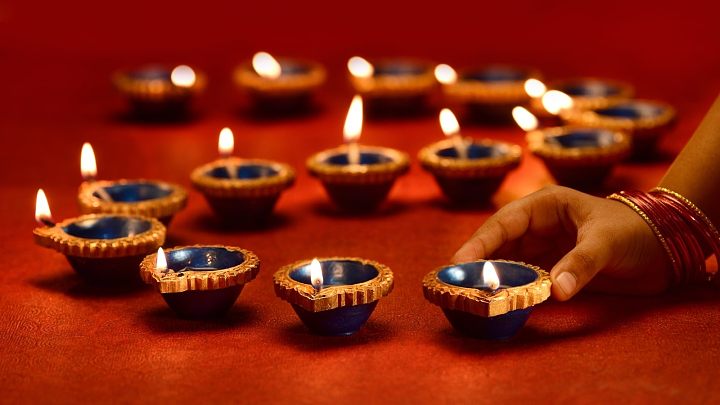
Diwali 2026: Why 13 Diyas Are Lit And Where Should You Place Them?
Diwali 2026: Lighting diyas is one of the most cherished traditions of the Diwali celebrations. From decorating doorways and balconies to illuminating temples and courtyards, earthen lamps hold deep religious and cultura
लेखक Nibandh Vinod··28K पढ़े गए
Diwali 2026: Why 13 Diyas Are Lit And Where Should You Place Them?
Diwali 2026: Lighting diyas is one of the most cherished traditions of the Diwali celebrations. From decorating doorways and balconies to illuminating temples and courtyards, earthen lamps hold deep religious and cultural significance during the festival. Among the many customs associated with Diwali, lighting 13 diyas is particularly significant during Dhanteras, the first major day of the five-day Deepawali festivities.
The tradition is associated with Lord Yama, the Hindu deity of death and justice, and is believed to bring protection, good health, longevity and prosperity to the household.
Read More: Diwali 2026 Date: When Is Diwali? Check Correct Date, Day And Significance
The first lamp, known as Yama Deepam, is traditionally lit in the evening, with devotees praying for the well-being of family members and protection from untimely death.
But why are exactly 13 diyas lit, and where should they be placed? The number is traditionally linked to Trayodashi, the 13th lunar day on which Dhanteras is observed. Each lamp is also associated with prayers for positivity, happiness and well-being.
Here is a closer look at the religious significance of 13 diyas, the traditional places where they are lit and the beliefs associated with this Dhanteras ritual.
Why Are 13 Diyas Lit On Dhanteras?
Dhanteras is observed on Krishna Paksha Trayodashi, the 13th lunar day of the Hindu month of Kartik. The word Trayodashi itself refers to the thirteenth day, which is one explanation for the traditional association with lighting 13 diyas.
Read More: Happy Diwali Wishes 2026: 55+ Best Corporate Wishes For Employees, Colleagues And Clients
The ritual is closely connected with Yama Deepam, also known as Yamadeepdaan. According to Hindu beliefs, devotees light an earthen lamp in honour of Lord Yama and pray for the long life, health and protection of their family members.
The first diya is traditionally placed outside the home, often near the main entrance, facing south. South is considered the direction associated with Lord Yama.
Beyond the Yama Deepam ritual, the remaining lamps are traditionally associated with prayers for prosperity, peace, family harmony and the removal of negativity.
The lamps also symbolise the importance of light overcoming darkness and knowledge overcoming ignorance.
What Is The Religious Significance Of 13 Diyas?
The tradition of lighting 13 diyas carries several religious and symbolic meanings.
Connection With Trayodashi: The number 13 is associated with the Trayodashi Tithi on which Dhanteras is observed. Lighting 13 lamps is considered an auspicious way of marking the occasion.
Prayers To Lord Yama: The first lamp, known as Yama Deepam, is dedicated to Lord Yama. Devotees seek blessings for longevity and protection from untimely death.
Good Health And Longevity: The lamps symbolise prayers for the well-being of family members and a healthy, peaceful life.
Prosperity And Abundance: Lighting diyas during Dhanteras and Diwali is associated with welcoming Goddess Lakshmi, who represents wealth, fortune and prosperity.
Removal Of Negativity: The light of the lamps symbolises the removal of darkness and negative influences from the home.
Family Harmony: The tradition also represents prayers for happiness, unity and peace among family members.
Read More: Diwali 2026: What Is Chopda Pujan? Significance And Business Traditions
Where Should You Place The 13 Diyas On Dhanteras?
According to traditional customs, the 13 diyas are distributed across different parts of the home and its surroundings. The placement is associated with specific religious beliefs and symbolic meanings.
Here are 13 traditional locations mentioned in popular Dhanteras customs:
Outside The Main Entrance Facing South
The first and most important diya is the Yama Deepam. It is traditionally placed outside the main entrance of the house, facing south, the direction associated with Lord Yama.
Devotees light this lamp in the evening and pray for the longevity and protection of family members.
In The Home Temple Or Puja Room
A diya can be placed in the home temple or puja room as an offering during prayers. The light represents devotion, purity and divine blessings.
Read More: Diwali 2026: Last-Minute Home Decoration Ideas With Diyas, Lights And Flowers
In Front Of Goddess Lakshmi
Another lamp is traditionally placed near the image or idol of Goddess Lakshmi during Dhanteras prayers. It symbolises the welcoming of prosperity, abundance and good fortune.
Near The Tulsi Plant
Lighting a diya near the sacred Tulsi plant is a common Hindu household tradition. Tulsi is considered auspicious, and the lamp symbolises prayers for peace, purity and family well-being.
At The Main Entrance
A lamp at the main doorway is associated with welcoming positivity and prosperity into the home. It also adds to the festive decoration and traditional appearance of the entrance.
Near A Peepal Tree
In some traditions, devotees light a diya near a Peepal tree. The tree holds religious significance in Hinduism, and offering a lamp is associated with prayers and devotion.
At A Nearby Temple
Devotees may light a diya at a local temple as an offering. This is considered an expression of gratitude and devotion.
Near The Household Utility Or Waste Area
Some regional customs mention placing a lamp near the household waste disposal area. Symbolically, it represents the removal of impurity and unwanted influences.
The lamp should always be placed at a safe distance from combustible waste and materials.
Read More: Diwali 2026: 7 Gemini And ChatGPT Prompts To Create Beautiful Festive Photos
Outside The Bathroom
Certain traditional placement lists include a diya near the bathroom entrance. This is symbolically associated with illuminating different areas of the home.
If followed, the lamp should be kept away from water, towels and other flammable materials.
On The Rooftop Or Terrace
A diya on the rooftop or terrace symbolises spreading light beyond the immediate living space. In traditional households, lamps were also placed in open areas to illuminate the surroundings.
Near A Window
A lamp placed on a suitable windowsill allows its light to be visible from outside. It symbolises spreading positivity and welcoming auspiciousness into the home.
At A High Or Prominent Place In The House
Some traditional customs recommend placing a lamp at a prominent elevated location. It symbolises the spreading of light throughout the household.
Choose a stable, non-flammable surface rather than an unsafe height.
Near A Crossroads
Some regional practices include lighting a diya near a crossroads, locally known as Chauraha. The ritual is associated with prayers for protection and the removal of obstacles.
Such lamps should only be placed where permitted and without obstructing pedestrians or traffic. An alternative is to offer the lamp at a safe designated place of worship.
What Is Yama Deepam And Why Is It Important On Dhanteras?
Yama Deepam is one of the important rituals associated with Dhanteras. It involves lighting an earthen lamp in honour of Lord Yama and seeking blessings for the long life and well-being of family members.
According to Hindu beliefs, lighting this lamp is considered a way of praying for protection from untimely death and misfortune.
The lamp is traditionally placed outside the home, facing south, and is lit during the prescribed evening period.
The ritual is also known as Yamadeepdaan. Devotees observe it with faith and prayers, seeking the blessings of Lord Yama for their families.
What Should You Keep In Mind While Lighting 13 Diyas?
While the religious significance of lighting diyas remains important, certain practical precautions should be followed during the celebrations.
Use stable earthen lamps and place them on non-flammable surfaces.
Keep diyas away from curtains, paper, wooden decorations and other combustible materials.
Avoid placing lamps near electrical appliances or in areas where they can be accidentally knocked over.
Keep children and pets away from open flames.
Do not leave burning diyas unattended.
Avoid placing lamps on roads, public pathways or locations where they may cause inconvenience.
The purpose of the tradition is to celebrate light, positivity and well-being, so the rituals should always be performed safely.
What Does Lighting Diyas Symbolise During Diwali?
Diyas are among the most recognisable symbols of Diwali. Their light represents hope, knowledge, positivity and the victory of good over evil.
In Hindu traditions, lighting lamps is also associated with inviting divine blessings and welcoming prosperity into the home.
Whether it is the 13 diyas of Dhanteras, the lamps lit during Naraka Chaturdashi or the rows of diyas illuminated on the main Diwali night, each lamp carries a message of faith, togetherness and renewal.
The tradition reminds devotees that even a small flame can illuminate darkness and that goodness, kindness and wisdom can bring positive change.
Lighting 13 diyas is a traditional Dhanteras custom associated with Trayodashi and prayers to Lord Yama for longevity and protection. The lamps are traditionally placed at different locations around the home and its surroundings, with the Yama Deepam facing south.