Around 25-30% Of People Deal With Varicose Veins: Here's What You Need To Know
Varicose veins are an issue that many people deal with. While many of them brush it off as hereditary or just something one has to deal with, a new video on social media urges people who deal with this condition not to i
लेखक Abigail Banerji··13K पढ़े गए
Around 25-30% Of People Deal With Varicose Veins: Here's What You Need To Know
Varicose veins are an issue that many people deal with. While many of them brush it off as hereditary or just something one has to deal with, a new video on social media urges people who deal with this condition not to ignore it.
What Are Varicose Veins?
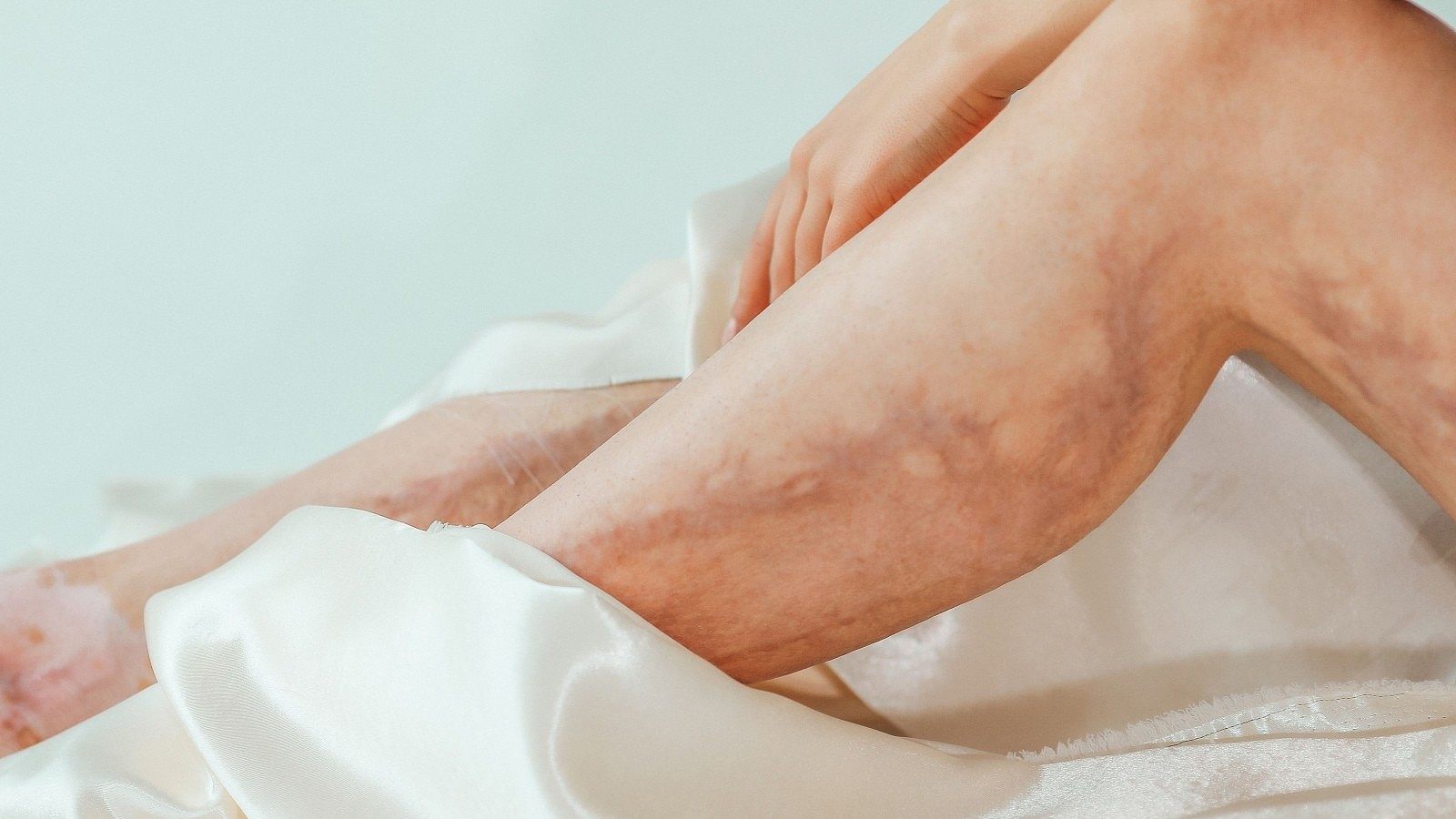
Baylor Medicine, which is a part of a Texas-based university of the same name, explains that varicose veins are enlarged veins that are visible through the skin and may appear as blue or purple twisted, knot-like cords. Varicose veins can occur anywhere in the body but are more commonly found on the legs. Haemorrhoids, a type of varicose vein, can appear during pregnancy around the anus or in the vagina.
What does the viral video say about varicose veins?
Gastroenterologist Dr Pal Manickam took to Instagram to share a short clip from his podcast, where he spoke to Dr Rajah V. Koppala, a vascular and interventional radiologist, founder and chief specialist of Avis Vascular Centre, and a pioneer in minimally invasive daycare treatments for varicose veins.
View this post on Instagram
A post shared by Gut Feeling With Dr Pal (@gutfeelingwithdrpal)
Dr Rajah V. Koppala highlighted the issue about varicose veins and claimed that 25–30% of Indians are affected by the condition. In a video shared online, he urged people not to ignore symptoms such as sudden leg pain and swelling, recommending a Doppler ultrasound for timely diagnosis.
Dr Rajah V. Koppala also warned about potential complications if varicose veins are left untreated. He said, “If you don’t treat them, the next stages are colour changes. The legs become black in colour. You’ll get ulcers in the leg… And the worst possibility is that clots form in the leg and they migrate to the heart. It’s very rare, but it does cause emergencies.”
He recommended doing a Doppler test and said, “Very early you should do what’s called a Doppler. It’s like an ultrasound. It will tell you very simply whether the blood is pooled or not.”
According to a report by the Indian Express, Dr Abhishek Bansal, Senior Consultant and Chief of Interventional Radiology at Aakash Healthcare, says, “Studies suggest that varicose veins affect about one in four adults, although the prevalence varies depending on age, occupation and gender. They are more common in women, older adults, people living with obesity, and those whose jobs require prolonged standing.”
So, what is a Doppler test?
A venous Doppler ultrasound is a diagnostic test used to check the circulation in the large veins in the legs (or sometimes the arms). This exam shows any blockage in the veins by a blood clot or “thrombus” formation, according to a report by Washu Medicine, an arm of Washington University. It is a safe, painless, and non-invasive test used to map blood flow, check valve function, and screen for deep vein thrombosis. An ultrasound is conducted to listen to the flow of the blood through your veins.
Symptoms of Varicose Veins
The following are the most common symptoms of varicose veins.
Colour changes in the skin
Sores on the legs
Rash
Sensations in the legs, such as a heavy feeling, burning, and/or aching
Long-term mild swelling
Ulcers and non-healing sores.
Who is most likely to develop varicose veins?
There are many factors that can raise your risk for developing varicose veins, as this disease is very common. They can occur in men or women of any age, but varicose veins most frequently affect women in the childbearing years and older people, reports Vein, Heart and Vascular Institute. These 4 groups of people are at higher risk of developing varicose veins:
Pregnant Women: Many women might develop varicose veins during their pregnancy because as the baby grows, it puts pressure on the large vein on the right side of the body which in turn increases pressure in the leg veins.
Obesity: People who are overweight often do not realize initially they are suffering from this disease simply because the swollen veins are not visible on the surface of the skin, due to excess fat. Obesity usually leads to having low muscle mass and a high body fat which ultimately puts an extra pressure on the veins.
Those who stand on their feet: Individuals who work in environments that require them to stand for long periods of time can have an adverse effect on circulation in the veins of your feet. By standing upright too long, the blood supply within your muscles is reduced. If you do not incorporate some type of activity (i.e. walking) in your daily schedule, you risk the possibility of your blood pooling in your legs and feet, causing varicose veins.
Adults Over 50: Ageing causes wear and tear on the valves in the veins that help regulate blood flow. So if you are over 50 and experiencing unexplained pain in your legs, get a check-up done with a vein specialist to rule out varicose veins.