US Midterm Election Results 2026: Meet The New Democratic Stars Shining In America's Blue Skies
The 2026 US midterm elections did not merely tilt the balance of power in Washington. The decisive victories achieved across deep-red, swing, and battleground states have ushered in a diverse new cohort of Democratic lea
Ni Pathikrit Sen Gupta··57K nabasa
US Midterm Election Results 2026: Meet The New Democratic Stars Shining In America's Blue Skies
The 2026 US midterm elections did not merely tilt the balance of power in Washington. The decisive victories achieved across deep-red, swing, and battleground states have ushered in a diverse new cohort of Democratic leaders who promise to reshape the party’s ideological direction, communication strategy, and national identity for years to come.
From the American South to the Midwest, voters have elevated a remarkably varied slate of newcomers—ranging from doctors and pastors to military veterans and social media-savvy state legislators—proving that there is no longer a single template for Democratic success.
Redefining Senate Leadership: The Rising Stars
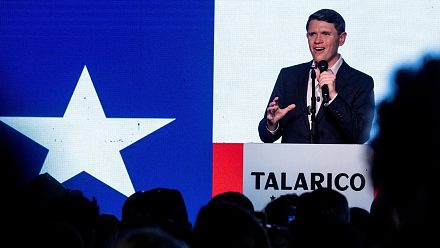
In Texas, 37-year-old state lawmaker James Talarico made history by conquering massive Republican spending to become the youngest member of the US Senate and the first Democrat to win a Texas Senate seat in over a generation. Campaigning on his faith as a seminary student and quoting Scripture alongside sharp critiques of corporate power, Talarico demonstrated how progressive candidates can resonate across traditional ideological divides in the Sun Belt.
Michigan elected Dr Abdul El-Sayed, a 42-year-old physician and former public health director, making him the first Muslim to serve in the US Senate. Running a distinct progressive campaign focused on economic justice and public health, El-Sayed’s victory signals a growing shift towards grassroots policy agendas in the industrial Rust Belt.
Meanwhile, in Kansas, former Republican pastor Adam Hamilton completed a historic political transition to become the first Democrat elected to the US Senate from the state since 1932. Grounding his campaign in moderate, faith-based bridge-building, Hamilton persuaded independent and conservative voters tired of partisan polarisation.
In New Hampshire, Chris Pappas secured his place as the first openly gay man elected to the US Senate, relying on a low-key, hyper-local campaigning style that consistently outpaced national political headwinds.
In Iowa, two-time Paralympic gold medallist Josh Turek won a high-stakes Senate contest as a self-described prairie populist, centring his campaign on trade policy, rural healthcare cuts, and working-class economic struggles.
In South Carolina, paediatrician Dr Annie Andrews captured a historic Senate seat after focusing her campaign on public health accountability, healthcare access, and child welfare.
Historic Breakthroughs in Gubernatorial Races
The wave of Democratic victories extended into major statehouses across the country, where newly elected governors broke long-standing political barriers.
In Texas, state legislator Gina Hinojosa ended twelve years of Republican rule in the governor’s mansion, turning emotional policy arguments surrounding healthcare access, reproductive rights, and regional infrastructure into a winning statewide movement.
Georgia elected Keisha Lance Bottoms, making her the nation’s first Black female governor. Overcoming a competitive primary and heavy opposition spending, the former Atlanta mayor focused her message on healthcare affordability and economic relief for working families.
In Ohio, Dr Amy Acton, a former state public health chief, secured the governorship by prioritising healthcare reform and community resilience.
In Iowa, state auditor Rob Sand captured the governor’s seat on a populist, anti-corruption platform, urging voters across rural communities to look beyond party labels.
A Broader Democratic Realignment
The influx of new faces into the House of Representatives further illustrates the party’s broadening base. Key victories by military veterans like Rebecca Bennett in New Jersey, young progressives like Melat Kiros in Colorado—who becomes the first Gen Z woman in Congress—and culturally resonant candidates like Tejano music icon Bobby Pulido in Texas demonstrate a party actively expanding its electoral footprint.
As this new generation takes office, their varied backgrounds, pragmatic messaging, and distinct campaign strategies will define how the Democratic Party navigates legislative battles and connects with voters nationwide.