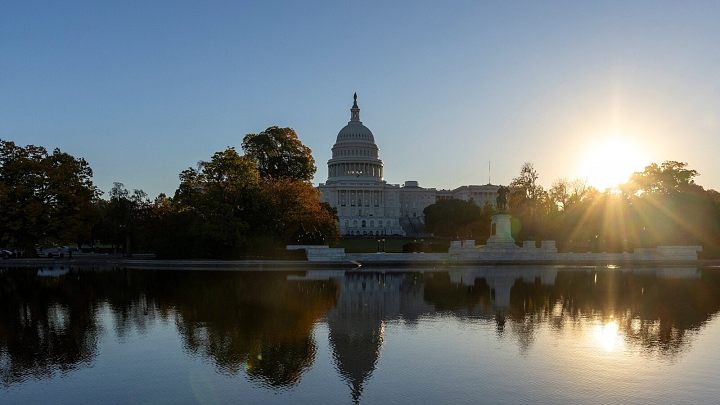
The 2026 US Midterm Breakdown: 10 Key Takeaways From America’s Electoral Realignment
The 2026 US midterm elections concluded with a monumental political shift, as Democrats swept key Senate and House races across traditional battlegrounds, industrial states, and conservative strongholds. The sweeping blu
Ni Pathikrit Sen Gupta··98K nabasa
The 2026 US Midterm Breakdown: 10 Key Takeaways From America’s Electoral Realignment
The 2026 US midterm elections concluded with a monumental political shift, as Democrats swept key Senate and House races across traditional battlegrounds, industrial states, and conservative strongholds. The sweeping blue wave effectively ended unified Republican control in Washington, altering the power balance for the remainder of President Donald Trump’s term.
Voters across the country sent a clear message, prioritising economic relief, institutional checks on executive authority, and legislative balance.
1. Power Shifts to the Democrats in Both Houses
The incoming Congress will see Democrats take control of both the Senate and the House of Representatives. Winning decisive seats in states like Texas, Michigan, Kansas, Iowa, and South Carolina, the party built a coalition that flipped long-standing Republican strongholds.
This majority grants Democrats crucial oversight powers, including the authority to chair key committees, issue administrative subpoenas, and shape the federal budget.
2. Suburban Realignment Drives Electoral Shift
Suburban voters, particularly women and college-educated professionals, proved to be the decisive demographic force in the 2026 elections. In crucial swing districts across Pennsylvania, Michigan, and Virginia, suburban voters turned out in record numbers to reject the administration’s platform.
Concerns over rising inflation, global trade tariffs, and administrative overreach drove moderate voters away from the ruling party, solidifying a major suburban realignment.
3. Foreign Policy Backlash and the War Fallout
Foreign policy and overseas military engagements emerged as an unexpected domestic liability for the administration at the ballot box. The escalating war in Iran, coupled with ongoing foreign aid debates, severely eroded voter confidence as foreign conflict costs began to directly impact home finances.
Conflict-driven disruptions to global energy corridors pushed US fuel and gas prices sharply upward, while billions in military expenditures drew fierce criticism from voters already struggling with domestic inflation. The administration’s overseas military campaign alienated peace-minded moderates, fractured parts of the MAGA isolationist base, and handed Democrats a potent argument that foreign entanglements were exacerbating the economic squeeze on American families.
4. Economic Anxiety and Tariff Pushback
Economic issues dominated voter priorities at the polls. Escalating inflation, compounding everyday essential costs, and the expiration of vital healthcare subsidies created deep financial strain for working-class families.
Furthermore, retaliatory tariffs heavily impacted agricultural and manufacturing districts across the Midwest, causing voters in rural and suburban areas alike to demand immediate economic course correction.
5. Historic Diverse Victories Across the Nation
The election minted a diverse new class of political leaders, breaking long-standing institutional barriers. Texas elected James Talarico, making him the youngest member of the US Senate, while Michigan sent Dr Abdul El-Sayed as the first Muslim to serve in the upper chamber.
In gubernatorial contests, Georgia elected Keisha Lance Bottoms as the nation’s first Black female governor, while Texas state legislator Gina Hinojosa ended twelve years of Republican rule in the state’s executive mansion.
6. MAGA Base Turnout Tumbles Without Trump
A critical factor in the midterm outcome was the noticeable dip in turnout among core conservative voters. Without President Trump personally on the ballot, voter enthusiasm in deep-red rural districts fell significantly short of presidential-year benchmarks.
Endorsed candidates struggled to replicate the President’s individual political draw, leaving key open seats vulnerable to well-funded Democratic campaigns.
7. A New Era of Congressional Oversight
With majorities in both chambers, Democrats now hold total legislative authority over White House cabinet appointments, judicial confirmations, and executive branch investigations.
The new leadership has pledged to institute rigorous oversight of administrative policies, signalling an immediate end to unchecked executive decision-making.
8. Public Health and Social Issues Move Voters
Healthcare affordability and public health policy emerged as central pillars of successful campaign platforms. Candidates who focused on protecting medical access, funding pediatric health initiatives, and managing systemic disease risks won major endorsements across contested states.
Voters routinely favoured candidates promising to safeguard local healthcare infrastructure against proposed federal spending cuts.
9. Working-Class and Minority Demographics Swing
The political gains Republicans achieved among working-class, Hispanic, and African American voters during the 2024 election cycle experienced a sharp reversal.
Heavy-handed domestic enforcement actions, immigration policies, and rising healthcare costs alienated key immigrant and working-class communities, pushing significant margins back toward Democratic candidates.
10. Legislative Gridlock and 2028 Horizon
The midterm results guarantee immediate legislative gridlock in Washington, forcing the White House to negotiate with an opposition-controlled Congress to pass essential funding bills.
Simultaneously, the high-profile victories achieved by newly elected governors and senators immediately establish a fresh slate of national figures for the 2028 presidential campaign.