I bought a generator following government's disaster warning, says dad
A man has told how he decided to buy a power generator following the government's warning to prepare for a national emergency - to help protect his business and also his neighbours.
Ni Haider Saleem··45K nabasa
I bought a generator following government's disaster warning, says dad
A man has told how he decided to buy a power generator following the government's warning to prepare for a national emergency - to help protect his business and also his neighbours.
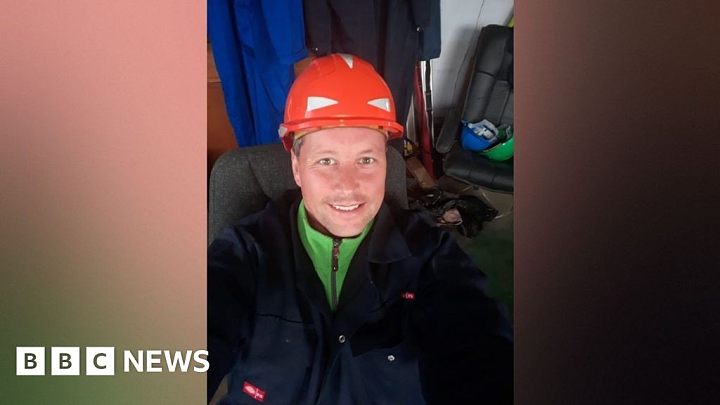
Barry Wong spent about £550 on the appliance for his cleaning business, but also hopes it will help him look after his family and elderly neighbours if the power ever goes off.
The 53-year-old from Prenton, Wirral, said the government's recent Be Ready campaign had made him think more about how he would cope without electricity.
He is one of dozens of people making a similar decision, as a Knowsley equipment supplier reported a 259% increase in average daily generator sales in the 10 days from the campaign's launch on 22 October.
Barry, who runs an exterior cleaning and maintenance business, said he had considered buying a generator for about a year because it was not always easy to access electricity at customers' properties.
But the government campaign made him think about using it at home too - and how he might cope following a major disaster.
He lives with his partner and two step-sons and said that if there was a prolonged power cut, he could bring his stepmother, who has dementia, to stay with them.
"At least if I can boil a kettle or give a few elderly neighbours a little bit of hot water, everybody helps everybody," he said.
Barry said he hoped the generator could keep essential appliances such as his fridge and freezer running.
He said he already kept a 500-litre water tank at home for his business but had recently sterilised it after hearing the government's emergency-preparedness advice. He also keeps bottled water and tinned food.
"Better just get a couple more tins and see how we go, because it will always get used anyway," he said.
Equip2clean, a family-run business based in Knowsley, Merseyside, said it sold 52 generators between 1 and 21 October, before the government's campaign launched on 22 October.
In the 10 days from the campaign's launch, it sold 89, with average daily sales rising from about 2.5 to 8.9.
Sales director Kieran Paxton, 29, said customers had specifically mentioned the campaign and the business was seeing more people buying generators for their homes rather than for work.
He said consumers appeared to be "taking it a step further" than the government's recommendations by considering backup electricity supplies.
The company said it sold 306 generators in the first 10 days of November, compared with 18 in the same period last year.
For others, preparing for power cuts is nothing new.
He said maintaining electricity was particularly important because his partner had medication for a severe skin condition which needed to be kept refrigerated.
Without the medication, she could experience "extreme discomfort", he said.
Despite owning a diesel generator, Mike said he would recommend considering solar-charged battery systems first because they did not require fuel to be stored at home.
The Health and Safety Executive has warned that petrol generators can produce potentially fatal carbon monoxide in enclosed spaces and advises using them outdoors where fumes cannot enter buildings.
The government's own checklist recommends essentials including bottled water, non-perishable food, torches, a battery-powered radio and a charged power bank.