I still have CDs at home. Quite a few, actually. Some haven’t been played in years, but they are mine. I can take one out tomorrow, put it into a CD player and listen to it. Nobody can suddenly tell me that my subscripti
Ni Anjan N Ghosh··42K nabasa
Whatever Happened to Owning Things?
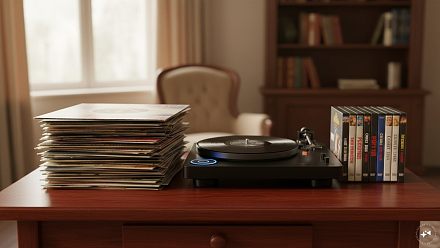
I still have CDs at home. Quite a few, actually. Some haven’t been played in years, but they are mine. I can take one out tomorrow, put it into a CD player and listen to it. Nobody can suddenly tell me that my subscription has expired or that the album is no longer available in my region.
Of course, finding a CD player in my house may now be the bigger problem.
I grew up buying music. Vinyl, cassettes, CDs. You bought an album, took it home and it belonged to you. The same happened with books, films and software. There was something wonderfully uncomplicated about the transaction. You gave someone money. They gave you a thing. Today, I seem to spend a surprising amount of money every month without actually acquiring very many things.
Welcome to My Monthly Payment Collection
Music? Subscription. Movies and television? Several subscriptions. Cloud storage, software, news? More subscriptions. Even some apps that perform one very specific task I need twice a year naturally want a monthly payment.
Look at your bank or credit-card statement sometime and add them all up. It’s quite educational. Also mildly depressing.
The strange part is that I don’t actually dislike subscriptions. Streaming music, for example, is fantastic. I once had to buy an entire album because I liked three songs. Today I can sit in my car, remember some obscure song I haven’t heard in thirty years and be listening to it seconds later. As someone who spent years with vinyl, cassettes and CDs, that’s still a little bit magical.
But somewhere along the way, access began replacing ownership, and I’m not sure we noticed exactly when it happened.
Even “Buy” Doesn’t Always Mean What I Thought It Meant
This gets more interesting when you buy something digitally rather than subscribe to it. If I buy a physical book, nobody needs to maintain a server somewhere for me to continue reading it. With digital content, things can be different.
Apple’s terms say purchased content will generally remain available, but it may later become unavailable for download or access if, for example, Apple loses the right to provide it. Apple actually recommends downloading purchased content and backing it up. Its App Store terms are even clearer: apps are licensed, not sold.
Amazon says something similar about purchased Prime Video content. It generally remains available, but licensing restrictions or other reasons can make it unavailable later.
Now, I understand why this happens. Films, music, books and software involve complicated rights and licensing arrangements. But from the customer’s side, there’s still something slightly odd about pressing a button labelled BUY and then discovering that the philosophical meaning of the word buy apparently requires reading seventeen pages of terms and conditions.
My old cassette never asked me to accept updated terms of service. It did occasionally get eaten by the tape deck, but at least the relationship was clear.
Software Changed Too
Software is perhaps where I notice this most. I remember buying software and thinking about whether it was worth the price. Once I’d paid, that was largely the end of the financial conversation until I decided to upgrade.
Subscriptions changed that completely. To be fair, developers aren’t doing this purely to annoy me. Software today is constantly updated, cloud-connected, synchronised across devices and maintained against security problems. That ongoing work costs money, and subscriptions can fund it.
The problem begins when everything wants recurring payment. A few hundred rupees here, another few hundred there, something I forgot I subscribed to six months ago quietly joining the party. None looks particularly frightening on its own. Together, they start resembling an EMI for my digital life.
Sometimes You Don’t Even Lose a File. You Lose the Ability to Use It.
Games have provided some particularly uncomfortable examples of this new definition of ownership. Ubisoft shut down the servers for The Crew in 2024. The company had already announced that after March 31 that year, the original game would no longer be accessible on any platform, including to people who owned it. Ubisoft cited server infrastructure and licensing constraints.
That’s very different from my old PlayStation discs sitting in a cupboard. They may be outdated. The graphics may now look as though everyone was constructed from cardboard boxes. But the disc is still there.
I Don’t Want to Go Back
And this is where nostalgia can become dishonest. I don’t want to carry CDs again. I don’t want shelves full of DVDs. I certainly don’t want to install software from a pile of discs.
Streaming gives me access to more music and films than I could ever have afforded to buy. Cloud services keep things available across devices. Subscription software gets improvements without me buying another boxed version every few years. We’ve gained an enormous amount.
I just think we’ve also quietly changed the meaning of having something. My shelves used to tell me what I owned. Now an account page tells me what I currently have access to.
Maybe that’s a perfectly reasonable price for convenience. Most days, I’m quite happy to pay it. But every now and then I look at those old CDs gathering dust and realise something: I haven’t paid for them in thirty years, and somehow they still haven’t logged me out. �